






Hard Water Explained
Many people struggle with hair that feels rough, lacks shine, and is prone to breakage, often attributing the issue to their shampoos or styling techniques.
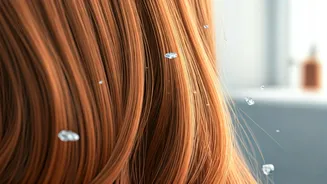
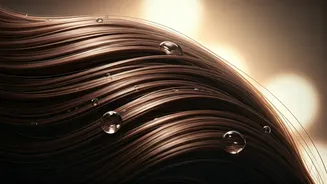
However, the primary culprit is frequently the water itself, particularly 'hard water.' This type of water is characterized by a high concentration of dissolved minerals, predominantly calcium and magnesium. When you wash your hair with hard water, these minerals deposit onto your hair strands, forming a residue that accumulates over time. This mineral coating acts as a barrier, preventing moisture from penetrating the hair shaft, leading to extreme dryness and brittleness. The buildup also gives hair a dull appearance and can make it feel strangely heavy or 'gummy,' even after washing. Effectively, the water's composition is hindering your hair's ability to stay hydrated and healthy, regardless of the products you use.
Damage from Minerals
While it's a common concern, hard water doesn't directly cause hair loss or baldness. Instead, the significant mineral buildup it creates severely weakens the hair structure. This weakness makes strands incredibly susceptible to breakage, especially near the scalp. When hair breaks off close to the root, it can visually mimic hair loss, leading to a thinning appearance and an overall unhealthy look. This cycle of weakening and breakage prevents hair from reaching its full potential for length and volume, contributing to the feeling that your hair is simply not growing or improving. The cumulative effect is hair that appears damaged, lifeless, and more prone to snapping under minimal stress.
Effective Solutions
To combat the effects of hard water on your hair, the most impactful step is to install a shower head filter. These filters are specifically engineered to capture minerals and chlorine before they reach your hair, effectively addressing the problem at its source. While it requires an initial investment, it's a highly effective way to prevent further mineral buildup and its damaging consequences. In addition to filtering, incorporating a clarifying shampoo into your routine is crucial for removing existing mineral deposits. Use these potent shampoos periodically, perhaps once a week or even less frequently for fine hair, as they can be quite stripping. Think of it as a deep cleanse to clear away the gunk without overdoing it.
Smart Hair Practices
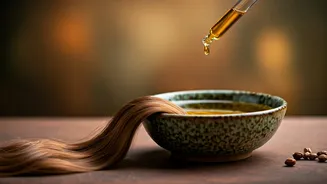
Implementing a strategy known as 'hair cycling' can significantly improve your hair's condition. This involves rotating different types of shampoos in your washing routine. You might alternate between your clarifying shampoo for deep cleansing, a rich moisturizing shampoo for hydration, and a gentle shampoo suitable for everyday use. This balanced approach ensures that mineral buildup is addressed without completely stripping your hair of its natural, beneficial oils. Furthermore, deep conditioning treatments are essential. Aim to use a thick, nourishing hair mask at least once a week. Look for masks containing ingredients like shea butter, argan oil, or keratin, which help to rebuild and strengthen damaged hair. Don't underestimate the power of small amounts of mineral oil applied to the mid-lengths and ends after conditioning; it helps seal in moisture and prevents water from evaporating, crucial for dry hair.
Focus on Foundation
Instead of continuously purchasing new hair products in the hope of a miracle fix, it's more effective to address the root cause of your hair problems. Layering products onto hair already burdened by mineral buildup is counterproductive; it's akin to greasing a shield that's already preventing your hair from absorbing moisture. This not only wastes money but can also weigh your hair down further. Prioritize fixing your water source, perhaps by using a shower head filter, or as a temporary measure, rinsing your hair with bottled or distilled water. Pay attention to your washing technique, ensuring you properly emulsify shampoo and allow conditioner sufficient time to work. Finally, maintaining a healthy scalp environment is paramount for supporting strong hair growth and overall hair health. Addressing these fundamental issues is far more beneficial than simply adding more products to your routine.