




The Genesis of Sweet Success
Long before the iconic boxes of Thin Mints and Samoas became a familiar sight, Girl Scout troops engaged in a more hands-on approach to fundraising through
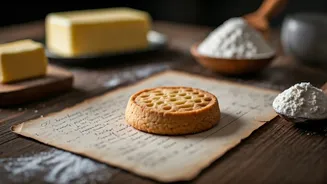
baking. As early as the 1910s, troops were making cookies from scratch. The recipe that truly marks the beginning, published in the troop's periodical, "The American Girl," was simply titled "Girl Scout Cookies." This 1922 iteration, sold for a mere 25 to 30 cents per dozen, is recognized as the ancestor of today's Trefoils, though it presented a much simpler, old-school baking experience. This initial version, focusing on basic ingredients and straightforward techniques, served as a vital tool for teaching young girls about business and self-sufficiency, laying the groundwork for a tradition that continues to thrive.
Recreating the 1922 Classic
The ingredients for this historical cookie are surprisingly basic: one cup of butter, one cup of sugar, two tablespoons of milk, two beaten eggs, one teaspoon of vanilla, two cups of flour, and two teaspoons of baking powder. The instructions provided were minimal, requiring the baker to infer some details. The process began by creaming softened butter with granulated sugar, a step often facilitated by a stand mixer for efficiency, though historically, this would have been done by hand. Following this, the wet ingredients—eggs and vanilla—were incorporated. The dry components, flour and baking powder (whisked together for even distribution), were then added until just combined to prevent a tough dough. This minimalist approach to recipe writing highlights the era's likely reliance on general baking knowledge.
Challenges of a Sticky Dough
The original recipe's instruction to roll out the dough thinly presented a significant challenge due to its inherent stickiness. Acknowledging this difficulty, a practical adaptation involved turning half the batch into drop cookies, sprinkled with a bit of sugar for a simple finish. The other half of the dough was chilled overnight, a common technique to make sticky dough more manageable. While chilling did improve the dough's texture slightly, it still proved difficult to roll cleanly, resulting in cookies that looked similar to the drop version. Thus, the extra effort of chilling and rolling yielded little tangible benefit for shaping. These cookies were baked in a quick oven, interpreted as 375°F to 400°F, at the lower end of which they baked for about seven minutes until golden. Given their tendency to spread, ample space was crucial between each cookie on the baking sheet.
Taste and Legacy
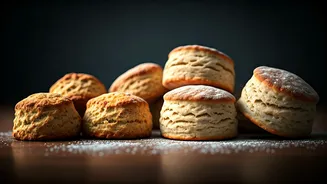
The final product of the 1922 recipe, while not visually stunning nor exceptionally delicious by modern standards, offered a unique connection to the past. These cookies are fundamentally different from the shortbread-like texture and taste of contemporary Trefoils; they possess a softer, more sugar-cookie-like character. Despite their flavor profile, the experience of baking a piece of history was profoundly rewarding. The recipe's true value lay in its original purpose: to empower young girls with entrepreneurial skills and a sense of accomplishment. It was a stepping stone, embodying the spirit of resourcefulness and business acumen that the Girl Scout program has always championed, making the baking process itself a lesson in history and innovation.
Refining the Original
To bridge the gap between the original recipe's limitations and the desired outcome of a rollable, cuttable cookie, several adjustments were made. The flour quantity was increased to combat the pervasive stickiness, and the baking powder was reduced to help the cookies maintain their shape during baking. To enhance richness without adding excess liquid, one whole egg was replaced with just an egg yolk. Milk was substituted with milk powder, a technique known to impart both flavor and a pleasant chewiness, while a pinch of salt was introduced to balance the sweetness. These modifications resulted in a dough that was much easier to handle for rolling and cutting, allowing for cleaner shapes while still retaining the simple essence and historical spirit of the 1922 foundational recipe, offering a more successful and satisfying baking experience.