

Embrace Electric Solutions
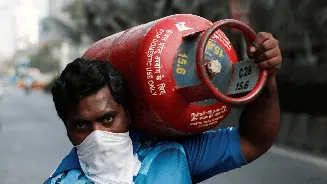
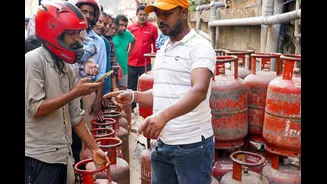
India's deep reliance on LPG for everyday cooking is vulnerable to disruptions stemming from West Asian geopolitical events, potentially impacting supply
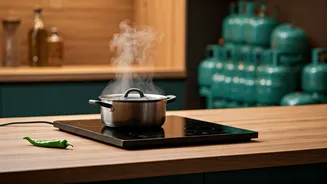
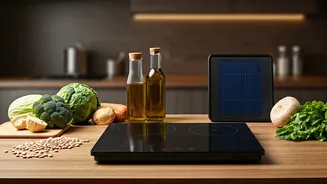
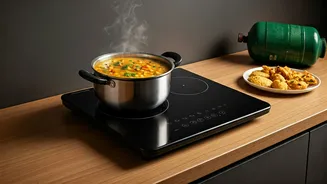
chains. Fortunately, many Indian kitchens already house the tools needed for a gas-free cooking experience. Consider making your induction cooktop or electric heater your primary cooking device for tasks like boiling water or milk, as these are often quicker and conserve LPG for essential uses like making rotis or pressure cooking. Don't underestimate the versatility of microwaves and air fryers; beyond reheating, they can efficiently 'roast' vegetables or cook a batch of rice. If your locality offers Piped Natural Gas (PNG), investigating this continuous supply option is a wise move, eliminating the need for timely cylinder refills and the associated anxiety.
Cook with Smarter Strategies
Conserving LPG doesn't necessitate compromising on meal variety or quantity; it primarily involves employing more strategic preparation and cooking techniques. A fundamental yet highly effective method is soaking ingredients like rice, rajma, or chana. Even an additional 30 minutes of soaking can significantly reduce the cooking time, meaning less fuel is consumed. Another simple yet powerful tactic is the consistent use of lids. Cooking with an uncovered pot is akin to heating a room with open windows – it's inefficient. Sealing the pot traps steam, builds internal pressure, and can effectively halve the cooking duration. Furthermore, embrace the convenience of one-pot meals such as Khichdi, Pulao, or Tehri. By preparing your entire meal, including grains, proteins, and vegetables, in a single pressure cooker, you consolidate the entire cooking process into a single, fuel-efficient 'flame cycle'.
Discover 'Zero-Flame' Meals
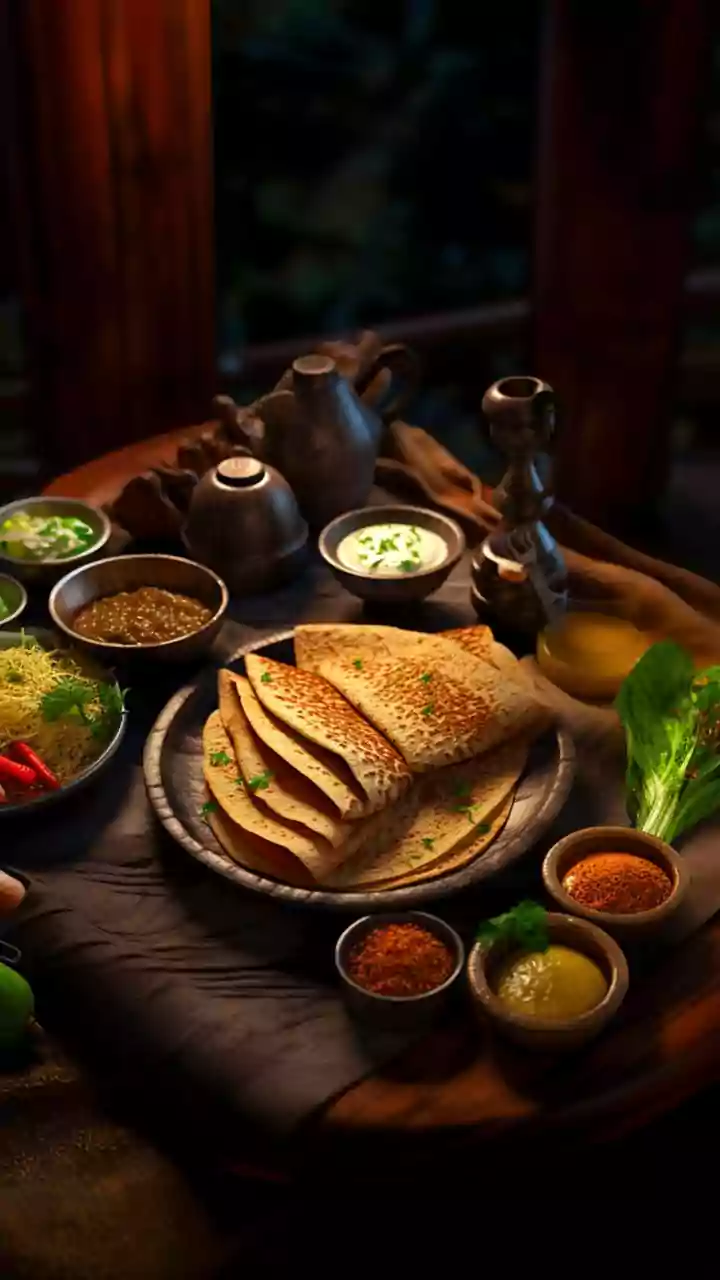
Sometimes, the most effective way to conserve precious LPG is to bypass the stove altogether. Indian culinary traditions offer a wealth of delightful no-cook options perfect for light lunches or quick dinners, ensuring you can eat well even without gas. A refreshing choice is Curd Poha: simply soak flattened rice briefly, drain, and mix with cold yogurt, finely chopped onions, green chilies, and a pinch of salt for a cooling and satisfying dish. Sprout Salads are another excellent quick meal; if you maintain a supply of sprouted moong or chana in your refrigerator, you're always just minutes away from a healthy option. Toss these sprouts with chopped tomatoes, cucumber, a squeeze of lemon, and chaat masala. For a protein-rich, fuel-free snack or light meal, try Peanut Chaat. Simply combine a handful of roasted peanuts with finely diced vegetables and seasoning for a quick and nutritious preparation.
Understanding Global Impact
It might seem counterintuitive that distant global conflicts could affect your daily cooking routine, but the connection is rooted in simple economics and geography. India is a major consumer of LPG, yet domestic production falls far short of demand, making imports crucial. A significant portion of this imported gas transits through the Strait of Hormuz, a vital and narrow shipping lane. When geopolitical tensions escalate in this region, such as recent exchanges between Iran and Israel, it creates uncertainty for shipping companies. This leads to increased insurance costs for oil tankers, potential rerouting of vessels, and complex logistical challenges. Any disruption or increased risk in this critical corridor inevitably has a cascading effect, eventually impacting the availability and delivery schedules of LPG cylinders right to Indian homes.