



Flame vs. Coil
The fundamental difference in heat distribution between traditional LPG burners and electric induction cooktops is at the heart of this culinary shift.
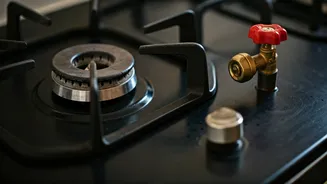
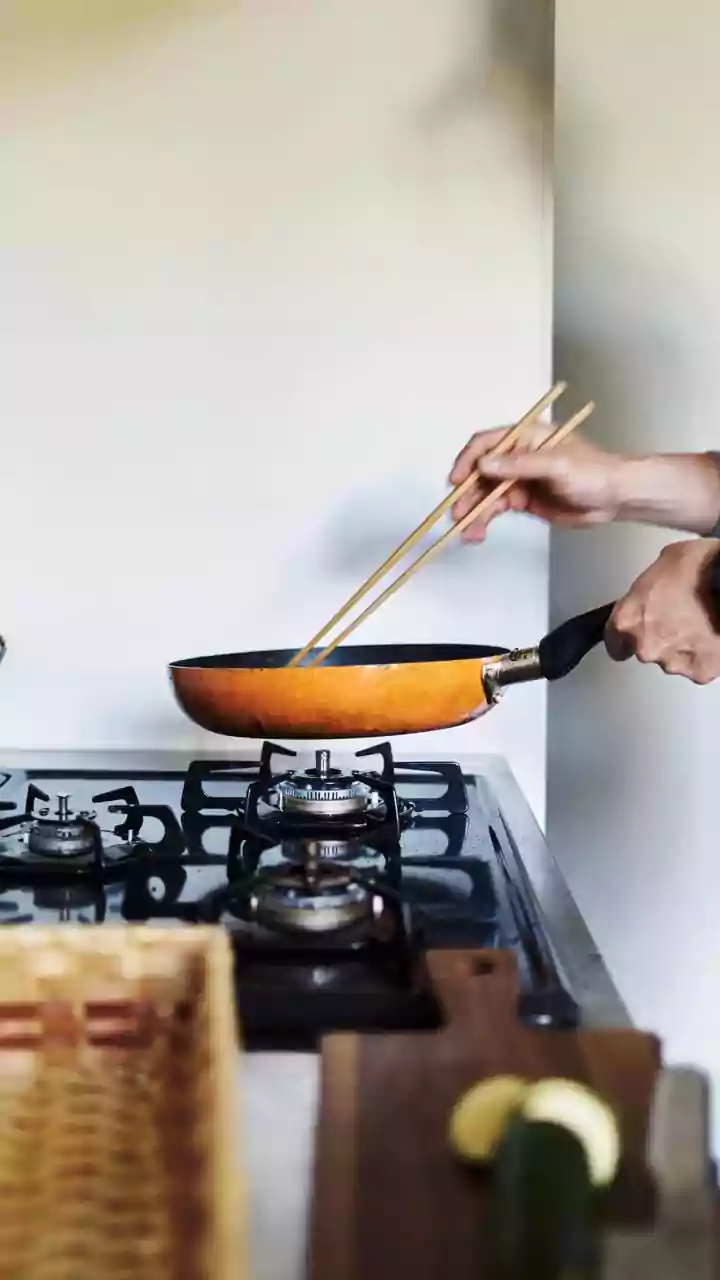
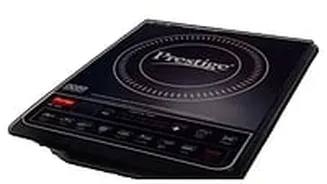
LPG burners create a dynamic temperature gradient across a large cooking surface, with a fiercely hot center for searing and cooler outer edges for slow cooking or keeping food warm. This variability is crucial for achieving the perfect crispiness in dishes like aloo tikki. In contrast, induction stoves generate heat directly in the cookware through electromagnetic fields, resulting in remarkably uniform temperatures. While this offers precision and efficiency, it eliminates the critical 'hot spots' that contribute to the desired 'karara' texture. Furthermore, the way an LPG flame often kisses the edges of a pan can impart a subtle, smoky char, a result of the Maillard reaction that is difficult for flat electric surfaces to replicate accurately.
Sizzle, Smoke, and Taste
The characteristic smoky aroma, a signature of many beloved Indian dishes like Bhuna Gosht and Dal Tadka, is another casualty of the move to electric. The intense heat of an LPG flame can cause tiny oil droplets to vaporize and ignite, infusing the food with a distinct charred essence. While electric cooking is environmentally friendlier due to its 'cleaner' operation, this very cleanliness might lead to a loss in culinary depth. However, modern advancements are bridging this gap. High-wattage electric griddles can now reach temperatures over 300°C, comparable to gas burners. Vendors in Indore's "56 Dukan," which has embraced electric cooking, report that while the 'flame smoke' is absent, superior temperature control prevents oil from reaching its smoke point too quickly, leading to a more consistent and arguably 'cleaner' flavor profile.
The Consistency Advantage
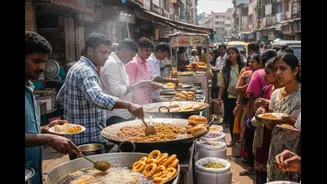
While the romantic allure of an open flame is undeniable, electric cooking, particularly induction, offers an unparalleled level of consistency. In the bustling environment of a busy restaurant or a popular street food stall, gas burner output can be unpredictable, fluctuating with atmospheric conditions or gas pressure. An induction stove, however, maintains a constant temperature without deviation. This precision is a significant advantage for delicate preparations. For instance, achieving the perfect flaky crust on samosas and kachoris, while preventing them from absorbing excess oil, relies on meticulously controlled oil temperatures. Electric deep fryers are already proving their superiority in this regard, with many high-end restaurants in Bengaluru noting a more uniform 'crunch' across hundreds of servings compared to traditional gas-fired cooking methods.
Palate Adaptation
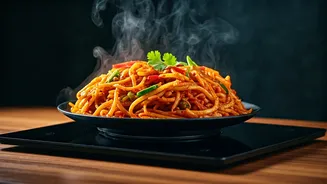
Ultimately, the perception of taste is a complex interplay of ingredients, cooking techniques, and psychological factors. As India navigates a transition towards "e-cooking" to reduce its reliance on volatile global energy markets, our palates are expected to evolve. This phenomenon mirrors the shift from traditional wood-fired 'chulhas' to LPG stoves approximately forty years ago, which undeniably altered home-cooked flavors. The move to electric cooking will similarly establish a new, "modern" taste profile for Indian cuisine. While the distinct 'wok hei' of Indo-Chinese street food might become less prominent, perhaps replaced by a more refined, evenly cooked flavor, culinary experts may resort to methods like using liquid smoke or specially charred spices to recreate the traditional essence. Nevertheless, the fundamental spirit of Indian street food—the vibrant spices, the tangy tamarind, and the satisfying crunch of accompaniments like sev—is unlikely to be diminished by the change in fuel source.
Future-Proofing Flavors
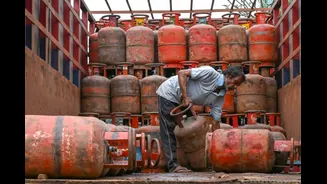
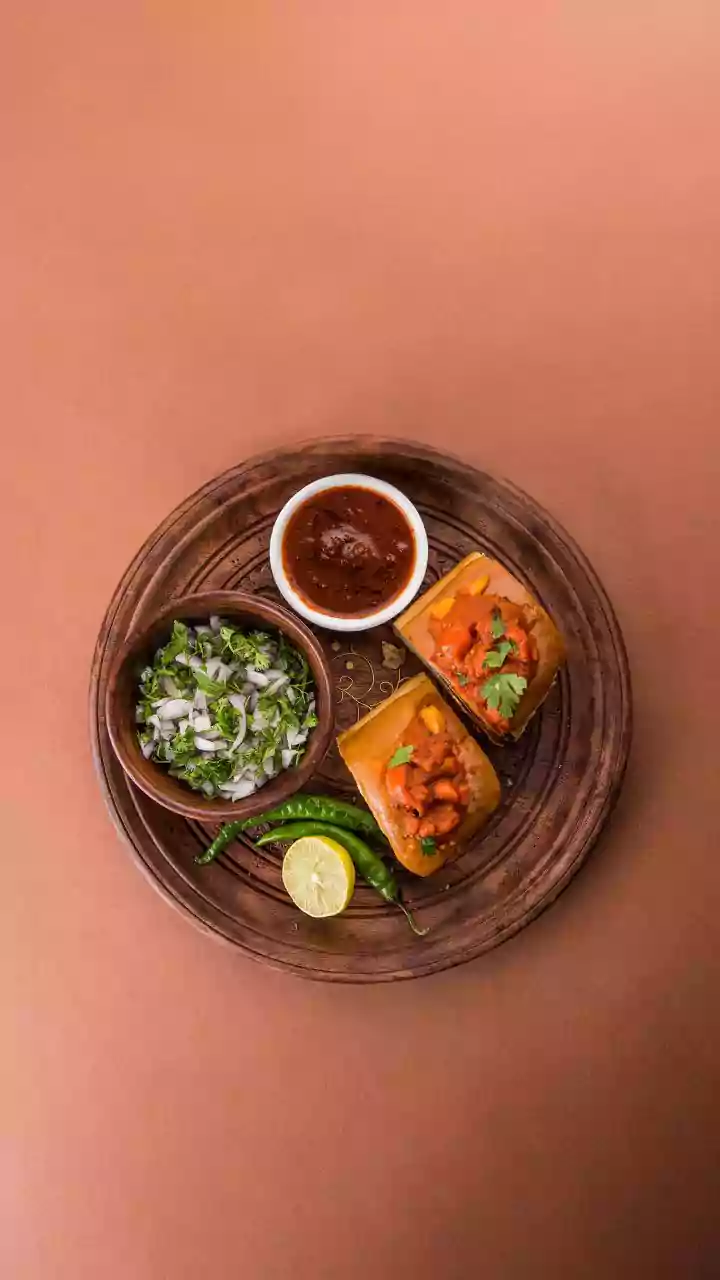
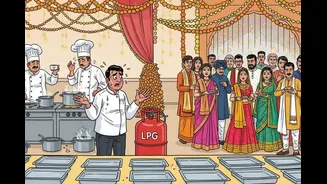
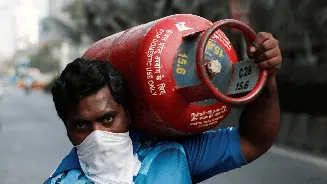
This transition is not merely about taste preferences; it's fundamentally about the survival of businesses. Current LPG "priority sector" regulations prioritize domestic use, often leaving commercial vendors with limited supply. For many street food vendors, the choice is no longer between "Gas vs. Electric" for flavor alone, but rather between "Electric vs. Shutdown." Embracing the induction era may mean a slight compromise on the nuanced 'char' imparted by flames, but it offers the significant benefit of a sustainable and resilient food culture capable of weathering global economic storms. The next time you savor a Gol Gappa or a Vada Pav, the energy source might be an electromagnetic coil instead of a fossil fuel, but the vibrant and enduring spirit of Indian street food will undoubtedly persist.