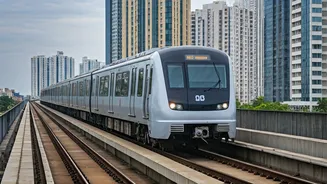








Fare Hikes Announced
The Namma Metro has once again implemented fare increases, a move that is likely to impact numerous daily commuters across Bangalore. This change is poised
to make daily travel more expensive, thereby raising concerns among the city's residents. The reasons behind this fare adjustment are multifaceted and will be further discussed. The impact is likely to be felt across the city, possibly affecting housing and travel patterns. This situation prompts a closer look at the rationale and the future implications this decision might carry for Bangalore's citizens, who rely heavily on the metro system for their daily commute.
Why the Increase?
Several factors are usually considered when increasing metro fares. Increased operational costs, which include electricity, maintenance, and staff salaries, often contribute significantly to the need for adjustments. Infrastructure developments and expansion projects, such as the construction of new lines or stations, require substantial financial investments. These investments might be recouped partially through fare revisions. Another factor is the fluctuating financial health of the metro system itself. Changes in ridership numbers, which may be affected by the economy, the popularity of the metro and other transportation modes, or external conditions, may lead to fare adjustments to ensure financial sustainability. Finally, government policies and subsidies also play a role, as they can directly influence fare structures and adjustments.
Commuters' Reactions
Commuters across Bangalore have expressed their concerns and opinions on the recent fare increases. Many view the fare hikes as an additional financial strain, particularly given the already high cost of living in the city. Daily commuters, who use the metro frequently for their work or education commutes, are likely to be the most affected. Some express frustration, noting that the fare increase might make them reconsider their travel habits. Alternatives include using other forms of transport. Others are concerned about the impact on their household budgets, possibly leading to cuts in other expenses. The overall sentiment reveals a spectrum of reactions, ranging from acceptance to strong dissatisfaction, reflecting the varied needs and financial situations of Bangalore's diverse population.
Impact on Housing
The metro fare increases could have an indirect impact on Bangalore's housing market. Commuters, faced with higher travel costs, might prioritize housing options closer to metro stations. This increased demand for properties in metro-accessible areas might drive up property values and rental rates. Conversely, areas farther from metro stations might see reduced demand, which could affect property prices. This could lead to shifts in residential preferences. Those with fixed budgets may have to compromise on housing quality or location. These adjustments demonstrate a dynamic relationship between transportation costs and real estate decisions, with potential consequences for both buyers and renters. Changes in commuting patterns and financial considerations will likely affect housing choices.
Traffic and Stress
Fare increases might drive some commuters to seek alternative modes of transportation, possibly increasing traffic congestion across Bangalore. An increase in private vehicles on the roads could lead to longer commutes, especially during peak hours, and increase stress for commuters. The metro was intended to ease congestion, but increased fares can undermine its use. Those who switch to other modes like buses, shared autos, or personal vehicles could worsen traffic conditions, reducing overall transport efficiency. This has ripple effects beyond travel times, as higher traffic volume impacts air quality and adds to environmental concerns. Ultimately, this leads to a cycle of congestion, environmental issues, and higher stress levels for commuters.
Looking Ahead
The future of Namma Metro and its impact on Bangalore hinge on a careful balance between financial sustainability, affordable fares, and the needs of commuters. There are multiple possibilities that require consideration to move forward. To mitigate the adverse effects of fare hikes, the government and the metro authorities may look to implement targeted subsidies or introduce cost-saving measures. Continued investment in improving the metro system's efficiency and reliability would enhance its attractiveness as a transport mode, thereby increasing ridership. Dialogue and engagement with commuters are essential to understanding their concerns and building a system that meets the needs of a growing city. The long-term success of the Namma Metro relies on adaptable strategies that prioritize both financial stability and public convenience.