





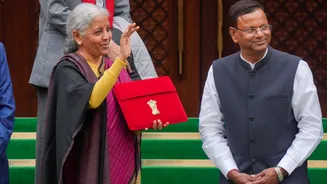

Fiscal Risk Control
The upcoming Budget 2026 is poised to place significant emphasis on limiting the potential for fiscal risks. This focus reflects a strategic move by the Indian
government to ensure long-term financial stability and sustainable economic growth. By proactively managing fiscal risks, the government intends to create a more predictable and resilient economic environment. This involves carefully monitoring and controlling government spending, ensuring that financial commitments are aligned with realistic revenue projections, and employing prudent debt management strategies. Such proactive measures are designed not only to safeguard the nation against unexpected economic shocks but also to enhance investor confidence by demonstrating responsible fiscal stewardship. Through this approach, the government aims to foster a positive investment climate and promote sustained economic expansion, ultimately benefiting all stakeholders involved in the Indian economy.
Shifting Market Focus
Budget 2026 is expected to prompt a strategic shift in market focus, moving away from immediate fiscal concerns and towards corporate earnings and debt management strategies. This transition is crucial for reshaping investor sentiment and influencing market behavior. As fiscal risks are managed, investors are likely to become more attentive to the performance of Indian companies, their profitability, and future growth prospects. Moreover, the government's approach to debt management will take center stage. Market participants will closely analyze the government's plans for borrowing, debt servicing, and overall debt sustainability. The success of these initiatives will be measured by investor confidence levels, market stability, and the ability to attract both domestic and international capital. This shift underlines the importance of transparency, accountability, and the efficient allocation of resources within the Indian economy.
Earnings and Growth
With a focus on fiscal risk management, the spotlight will inevitably shine on the earnings of Indian companies. Investors and analysts will delve into the financial statements and growth potential of various sectors to assess their capacity for sustained expansion and profitability. The underlying goal is to evaluate which sectors are best positioned to thrive in the prevailing economic conditions. This assessment will cover a wide range of factors, including revenue streams, cost management practices, and overall operational efficiency. The government's policies, including those that influence corporate taxation, incentives for investment, and regulatory changes, will also play a key role in shaping corporate earnings. A supportive policy environment and prudent fiscal management are expected to drive up business confidence, leading to increased investments and job creation across industries. The collective success of these efforts will ultimately determine the long-term prosperity of the Indian economy.
Debt Path Analysis
Budget 2026 will present an opportunity to critically assess the government's roadmap for debt management. Detailed plans for debt sustainability are expected to be put forward, outlining strategies for managing the national debt effectively. This involves careful monitoring of the debt-to-GDP ratio, assessment of borrowing costs, and ensuring that repayment schedules remain manageable. Investors and rating agencies will be particularly keen on these aspects, as they provide critical insights into the government's fiscal prudence. Furthermore, it is expected that the budget will highlight the policies that encourage responsible fiscal management and foster greater economic stability. This will potentially lead to better credit ratings for India, which in turn can lower borrowing costs and draw more foreign investment, thereby contributing to sustainable economic growth for the country.