
Initial Body Adjustments
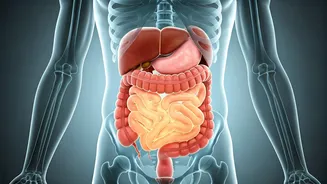
When you drastically reduce or eliminate ghee and oil intake, the body immediately begins adjusting. The most noticeable changes may involve digestion.
Fats are crucial for the efficient breakdown and absorption of nutrients; without them, the digestive system can slow down. You might experience changes in bowel movements – potentially ranging from constipation to looser stools, depending on individual body reactions. Furthermore, since fats are energy-dense, cutting them can influence your energy levels. Some may experience an initial drop in energy as the body adapts to using other fuel sources, like carbohydrates or stored fat. This adaptation period varies; it can be relatively short or persist for a few weeks, depending on the body's metabolism and existing diet.
Nutrient Absorption Effects
Ghee and oils play a vital role in the absorption of fat-soluble vitamins such as A, D, E, and K. These vitamins are crucial for various bodily functions, from vision and bone health to immune function. Reducing your intake could affect the absorption of these essential vitamins. Without enough fat to facilitate their uptake, the body might struggle to utilize them fully. Consequently, deficiencies can become a concern over time. This can lead to symptoms like weakened bones, impaired vision, or immune system weaknesses. It is important to consider alternate sources of these vitamins or to adjust the diet to ensure adequate absorption from available food sources to mitigate potential deficiencies. This is especially true if you are on a restricted-fat diet.
Metabolic and Hormonal Changes
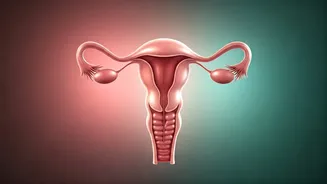
The shift in fat intake influences both your metabolism and hormonal balance. The body utilizes fat as a primary fuel source, and drastically limiting fat can push your body to rely on carbohydrates or stored fat for energy. This adaptation can influence your metabolic rate, potentially causing it to slow down to conserve energy. Furthermore, the absence of fats can influence the production of hormones. For example, a significant reduction in dietary fats can affect the production of sex hormones like testosterone and estrogen, which influence reproductive health, mood, and overall well-being. Additionally, your body might start producing more or less of some hormones to adapt to the new diet, which might be accompanied by changes like increased hunger or altered body composition.
Impact on Cardiovascular Health
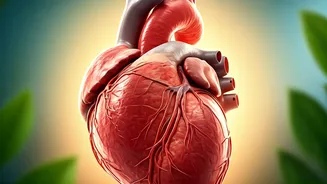
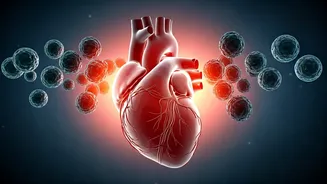
The changes in your diet's fat composition can have various effects on cardiovascular health. Some saturated fats (which can be found in ghee) can increase LDL cholesterol levels, often referred to as 'bad' cholesterol, and reducing their intake can be beneficial for heart health. On the other hand, oils, particularly those rich in unsaturated fats, are often considered heart-healthy. Removing them entirely could potentially mean missing out on these benefits. This can be especially important if you are at risk for heart-related conditions. The balance between different types of fats becomes crucial to maintaining optimal cholesterol levels and reducing heart disease risk. Consult with a healthcare professional to identify the ideal fat intake tailored to your specific health requirements.
Skin and Hair Consequences
Fats play a significant role in maintaining skin health and hair vitality. Essential fatty acids are crucial for retaining moisture and creating a protective barrier against external elements. When you reduce or eliminate fats, your skin may become drier and more prone to irritation and inflammation. Hair could become brittle or lose its shine. Fat deficiencies can also contribute to skin conditions such as eczema, which could worsen in some cases. It's important to remember that not all fats are equal; including healthy fats from sources like nuts, seeds, and avocados in moderation can positively impact skin and hair health. Maintaining adequate hydration and using gentle skincare products could help to minimize the adverse impacts of a low-fat diet on skin and hair.