




The 'Rod' Method
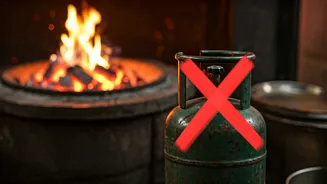
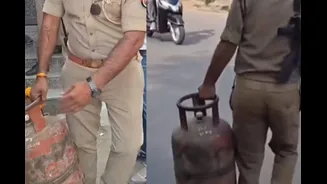
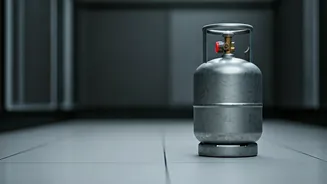
The widespread scarcity of Liquefied Petroleum Gas (LPG) cylinders across India is compelling households to devise unconventional cooking solutions. One
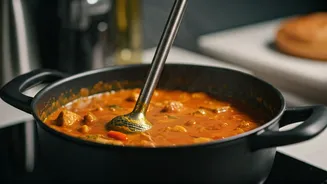
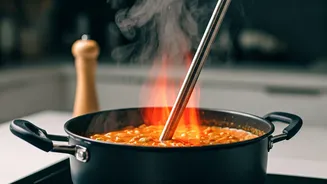
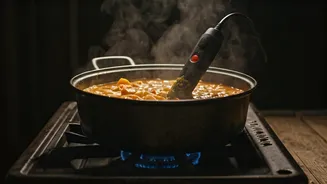
striking example, captured in a widely shared video, showcases an individual resorting to an immersion rod to prepare a curry. This clip, initially posted on Instagram, bears the poignant text "Gas gone, heat rod on." The underlying message is one of 'technologia,' or technological adaptation, in the face of necessity. In the video, a man is seen placing a pot on a stovetop but, instead of igniting the gas, he inserts an immersion rod directly into the curry. The process, though unorthodox, appears to heat the dish. While immersion rods are conventionally designed for heating water, the current circumstances are evidently pushing the boundaries of their intended use, highlighting a resourceful, albeit potentially risky, approach to meal preparation during challenging times.
Social Media Reacts
The unconventional cooking technique quickly ignited a flurry of reactions across social media platforms, ranging from amusement to serious concern. One user humorously quipped, "Minto ka kaam ghanto mai" (work of minutes done in hours), alluding to the perceived efficiency. However, a significant number of commenters raised alarms regarding the safety of the method. A cautionary note was sounded by a user pointing out, "Immersion rods are designed for heating water for bathing or cleaning, not for direct food preparation. This can cause severe stomach infections." Another commenter strongly advised against consuming food prepared this way, explaining, "Don’t eat food cooked in this style; this heater leaves residue after using for a while, so think before you act and always cook food on gas or with our primary Indian style by burning wood." On a lighter, retrospective note, one individual remarked, "People before the induction stove was invented," referencing a time before modern electric cooking appliances were commonplace.
Homefront Adaptations
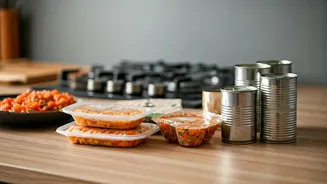
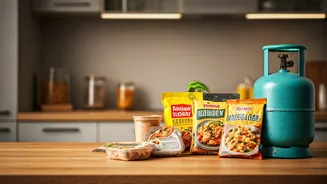
This viral video serves as a microcosm of the broader strategies households are employing to navigate the persistent LPG shortage. Faced with dwindling gas cylinder supplies, families are actively exploring and adopting alternative cooking methodologies. These adaptations span a spectrum of solutions, from reverting to traditional wood-fired stoves, which have been a staple in many Indian homes for generations, to embracing modern electric appliances like induction cooktops and electric heaters. In situations where even these alternatives present challenges or are unavailable, many are opting for simpler, no-cook meal preparations. This shift reflects a widespread commitment to ensuring that meals are still prepared and served, despite the significant disruption caused by the fuel scarcity, showcasing resilience and ingenuity in everyday domestic life.
Fuel Saving, Meal Shifting
Beyond altering cooking apparatus, the ongoing LPG scarcity is also fundamentally reshaping dietary habits and meal planning. Families are increasingly gravitating towards dishes that require minimal cooking time and energy consumption, thereby conserving precious fuel resources. This conscious decision-making process extends to even the simplest of daily routines; for instance, the ubiquitous cup of tea is sometimes being substituted with quicker, less energy-intensive alternatives like a simple glass of lemon water. This broader shift in meal choices underscores a dual objective: to manage the immediate challenge of fuel availability while also fostering longer-term habits that are more economical and sustainable in the context of resource scarcity. The impact ripples through daily routines, influencing everything from breakfast to dinner.