





Prepare The Essentials
The journey to creating a perfect Japanese cheesecake starts with proper preparation. Begin by gathering all your ingredients and equipment. This includes
a springform pan, parchment paper, and a baking sheet. Preparing the tin is the initial step: line the bottom and sides of your springform pan with parchment paper. This will prevent the cheesecake from sticking and allow for easy unmolding later. Ensure the paper extends beyond the sides of the pan slightly for easy removal. Accuracy and attention to detail during this first step will ensure that the final cake has perfect sides and an even bake.
Crafting the Base
The foundation of a good Japanese cheesecake rests on a well-made cream cheese base. Start by ensuring your cream cheese is at room temperature; this aids in smooth mixing and a lump-free batter. Beat the cream cheese until it's light and fluffy. Next, incorporate the egg yolks one at a time, ensuring each is fully incorporated before adding the next. This step adds richness and contributes to the cake's delicate texture. Add sugar gradually, mixing until dissolved. Finally, add the other flavorings and gently stir to combine. This careful approach to the base creation lays the groundwork for the cake's exceptional texture and flavor.
Making The Meringue
This is arguably the most critical step in the entire process. The meringue provides the signature airy lift to the Japanese cheesecake. Begin by whipping egg whites until soft peaks form. Gradually add sugar while continuing to whip until stiff, glossy peaks form. The peaks should stand upright and not droop. Be cautious not to overwhip, as this can lead to a dry cake. The key is to achieve a stable meringue that will hold its air during baking. This step sets the stage for the cake's distinctive light and fluffy texture, which differentiates it from its denser counterparts.
Combining the Elements
Now, it's time to merge the cream cheese base with the meringue. Gently fold the meringue into the cream cheese batter in several additions. Be careful not to deflate the meringue; the goal is to keep as much air incorporated as possible. Use a spatula and fold from the bottom of the bowl, lifting the mixture over itself. Continue until the batter is evenly combined. The batter should look light and airy. Overmixing can result in a dense cake, so ensure it is well-combined, yet airy. This gentle blending is crucial in preserving the lightness that characterizes the Japanese cheesecake.
Baking with Care
Japanese cheesecake requires a water bath to bake evenly and achieve its signature texture. Place the prepared springform pan in a larger baking pan. Pour hot water into the larger pan, reaching about halfway up the sides of the springform pan. This creates a moist environment, preventing the edges from browning too quickly and ensuring even cooking. Bake in a preheated oven at a specified temperature for a set time, or until the top is lightly golden and the center still has a slight wobble. The water bath ensures the perfect balance of moisture and heat, resulting in a perfectly textured cheesecake.
Cooling is Crucial
Patience is key during the cooling process. Once baked, turn off the oven and prop the oven door slightly ajar. Allow the cheesecake to cool gradually inside the oven. This slow cooling prevents cracking and promotes even settling. After an hour, transfer the cake to a wire rack to cool completely at room temperature. The slow cooling process is essential for achieving the cheesecake's perfect texture and prevents unsightly cracks from forming on the surface. This careful approach to cooling contributes significantly to the final outcome of the cake, ensuring its aesthetic appeal.
Unmould and Serve
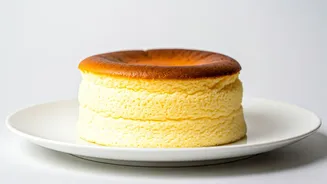
Once the cheesecake has completely cooled, it's time to unmould it. Carefully remove the parchment paper from the sides. Use a thin-bladed knife or a spatula to gently loosen the cake from the bottom of the pan, if needed. The cake should have a delicate, slightly wobbly texture. Slice and serve! The authentic Japanese cheesecake should have a light, airy texture and a subtle sweetness. It should be tender and melt in your mouth, a testament to the careful preparation and precise execution of each step. Enjoy the fruits of your labor and savor every bite of this delectable dessert.