
Idli: South Indian Staple
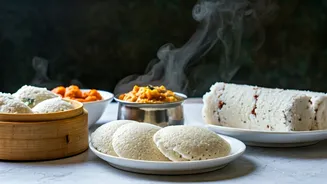
Idli, a South Indian staple, stands out as a steamed delight. It's crafted from fermented rice and lentil batter, offering a fluffy texture and mild flavor.
The fermentation process boosts its digestibility, making it gentle on the stomach. The ingredients, predominantly rice and urad dal, are soaked, ground, and then left to ferment, giving the idli its characteristic airy structure. Steaming the batter in special molds ensures the idli cooks evenly, resulting in a soft and spongy treat. Often served with sambar (a lentil and vegetable stew) and coconut chutney, idli provides a complete and balanced meal, packed with carbohydrates, proteins, and essential nutrients. This dish is not only a breakfast favorite but also a symbol of South Indian culinary heritage, celebrated for its simplicity and health benefits.
Puttu: Kerala's Pride
Puttu, a steamed rice cake from Kerala, is another breakfast star. Its preparation involves steaming ground rice flour with layers of grated coconut, creating a cylindrical form. The unique layering of rice and coconut provides a delightful textural contrast and a rich coconut flavor. Traditionally, puttu is cooked in a special puttu kutti (steamer) which ensures even cooking. The rice flour is often mixed with salt and a bit of water before steaming, helping it to absorb moisture and achieve the right consistency. Puttu's simplicity makes it a popular breakfast choice across Kerala. It is generally eaten with kadala curry (black chickpea curry) or with banana and grated coconut, making for a satisfying and flavorful breakfast. Puttu exemplifies Kerala's culinary skill in combining simple ingredients to create a highly appealing dish.
Dhokla: Gujarati Treat
Dhokla, a savory steamed cake from Gujarat, offers a tangy and slightly sweet taste. The batter for dhokla is made from fermented batter, typically of rice and chickpea flour (besan). This fermentation is vital, as it gives the dhokla a light, fluffy texture. Once the batter has fermented, it's steamed until it's cooked through. Seasoning is essential; often, the dhokla is tempered with mustard seeds, green chilies, and curry leaves for added flavor. Dhokla provides a great balance of flavors, with the tang from the fermentation balanced by the slight sweetness. It's often served with coriander chutney and tamarind chutney, making it a popular breakfast and snack throughout Gujarat. Dhokla demonstrates the diversity of Indian cuisine, providing a delicious and easily accessible breakfast option.
Khaman: Another Gujarati Dish
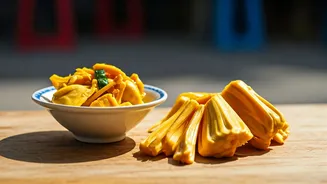
Khaman, another Gujarati favorite, is a steamed snack that is very similar to dhokla, but made from a batter primarily of gram flour (besan). The key difference is the texture; khaman tends to be a bit softer and more porous compared to dhokla. The batter is fermented to achieve a light, spongy texture. After fermentation, the batter is steamed, cut into pieces, and then often tempered with mustard seeds, curry leaves, and sometimes, green chilies for added flavor. Khaman is known for its vibrant yellow color and a slightly tangy taste. Usually, it's served with coriander chutney and a sprinkle of sev (crispy chickpea flour noodles). This makes khaman a popular option for breakfast or as a tea-time snack. This demonstrates the Gujarati mastery of utilizing simple ingredients to make delicious treats.
Modak: Maharashtrian Delight
Modak is a sweet dumpling originating from Maharashtra, typically prepared during the festival of Ganesh Chaturthi. The outer shell is made from rice flour, and the inner filling is a mix of grated coconut and jaggery. These dumplings are steamed until they become soft. The preparation of the dough for the outer shell is critical; the rice flour is often kneaded with hot water to give it a pliable texture that holds its shape. The sweet filling provides a rich flavor and the jaggery offers a natural sweetness. Modak is an important part of the religious celebration, symbolizing prosperity and good fortune. This steamed delicacy is not just a food item; it also carries significant cultural and religious meaning.
Idiyappam: String Hopper
Idiyappam, also known as string hoppers, are steamed rice noodles popular in South India and Sri Lanka. The preparation involves pressing rice flour dough into thin strands and then steaming them. The process gives a soft, delicate texture. The flavor is very mild, making idiyappam a versatile dish. It readily absorbs flavors from the accompanying dishes. Often, they are served with coconut milk, vegetable stews, or even egg curry, adding variety and flexibility. This breakfast dish offers a light and airy consistency. Idiyappam's ease of preparation and the different ways of serving make it a favorite choice, emphasizing the diversity in South Indian culinary tradition.
Pazham Pori: Kerala's Banana Fritters
Pazham Pori, or banana fritters, are another much-loved food item from Kerala. While not directly steamed like other breakfast dishes listed, it is a very common breakfast in Kerala. The ripe banana is coated in a batter made from all-purpose flour, sugar, and sometimes, a pinch of turmeric for color. Then, the bananas are deep-fried until they get golden brown, resulting in a sweet, crispy exterior. Pazham Pori is enjoyed as a snack or breakfast item. The combination of the sweet, soft banana inside and the crispy coating makes it a treat. It shows the creative ways in which everyday ingredients can be transformed into delicious culinary experiences, popular in Kerala.
Vada: Savory Doughnut
Vada, typically a savory fritter, has many variations across South India. The most common variety, medu vada, is made from fermented urad dal (black lentil) batter, which is then shaped into a doughnut shape and deep-fried. The batter is fermented to provide a soft and fluffy texture, similar to idli and dhokla. Vada can also be steamed as an alternative to frying, making it healthier. When served for breakfast, vada often accompanies sambar and chutney. The crispy exterior and soft interior of the fried version make it a favored breakfast option. Vada highlights how a simple ingredient can be converted into many different regional variations, all offering a unique culinary experience.
Poha: Flattened Rice
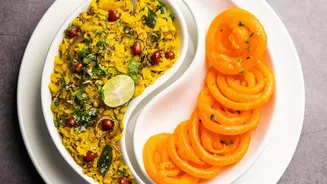
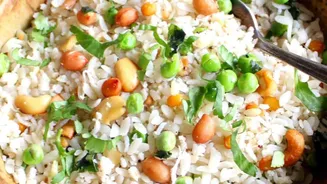
Poha, a breakfast staple in many parts of India, particularly in Maharashtra and Madhya Pradesh, uses flattened rice as its main ingredient. Poha is made by sauteing the flattened rice with onions, spices, and sometimes, potatoes or peas. It's often seasoned with mustard seeds, turmeric, and curry leaves. The preparation is simple and quick, making it a convenient breakfast option. Poha's light and fluffy texture, combined with the flavors of spices, makes it a satisfying start to the day. It’s often garnished with fresh coriander and a squeeze of lime juice, adding extra freshness. Poha shows how simple ingredients can be combined to make a fast, delicious, and nutritious breakfast.
Upma: Semolina Dish
Upma is a savory semolina porridge popular throughout India, prepared by roasting semolina and then cooking it with vegetables and spices. The dish is seasoned with mustard seeds, curry leaves, and often, onions and tomatoes. This results in a flavorful and filling breakfast. The preparation varies slightly, depending on regional preferences. Some recipes include adding vegetables like carrots, peas, and beans. Upma provides a good balance of carbohydrates and fiber. It is generally served hot, often with coconut chutney or a side of yogurt. Upma offers a tasty and straightforward way to kickstart the day, reflecting how diverse and adaptable Indian breakfast traditions are.