




From Burger to Bloom
In a fascinating turn of events, a gardening enthusiast named James Prigioni embarked on an unconventional experiment, utilizing the tomato slices from
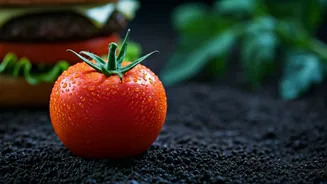
a McDonald's cheeseburger. Rather than discarding them, he decided to explore their potential for cultivation. His curiosity led him to employ two distinct methods, both documented meticulously in a YouTube video that has since garnered significant attention. In one approach, he carefully extracted seeds from the tomato slices and planted them in a cup, aiming to nurture new life from these unlikely origins. Concurrently, he also opted for a more direct method, placing an entire tomato slice straight into the soil. This dual approach allowed for a comparative study, providing insights into the viability of both seed and slice as starting points for plant growth and setting the stage for unexpected horticultural results.
Outdoor Cultivation Journey
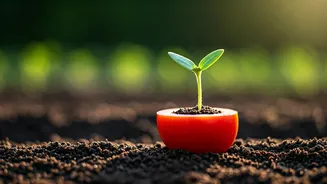
Following an initial 23-day incubation period, Prigioni observed promising sprouts emerging from both planting methods, a testament to the vitality within the fast-food ingredients. With these initial signs of growth, he proceeded to relocate the nascent plants to an outdoor environment, marking a significant step in their development. The plant derived from the seeds was housed in a bucket, while the one cultivated from the direct slice planting was embedded directly into the ground. Despite his admission of occasionally neglecting the bucket plant, especially during periods of intense heat, the plant demonstrated remarkable resilience, continuing its growth trajectory. This period of outdoor acclimatization was crucial, exposing the plants to natural elements and setting the foundation for their eventual fruiting stage, highlighting their adaptability and inherent drive to thrive.
Premature Fruiting Phenomenon
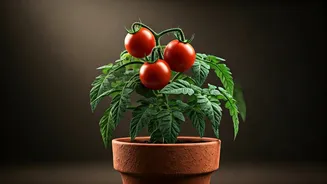
Remarkably, by the 94th day of the experiment, the plant housed in the bucket had already begun to bear fruit, producing its first tomatoes. Prigioni theorized that this early yield might be attributed to the stress the plant had undergone. He posited that the challenging conditions, such as the inconsistent watering during hot days, could have acted as a catalyst, prompting the plant to prioritize reproduction and fruit production. This phenomenon of early fruiting under duress is an intriguing aspect of plant biology, suggesting that environmental pressures can sometimes accelerate developmental stages. The bucket plant’s ability to produce tomatoes so early, despite its less-than-ideal care, underscored its hardiness and the inherent reproductive drive of the tomato variety used.
Astonishing Tomato Abundance
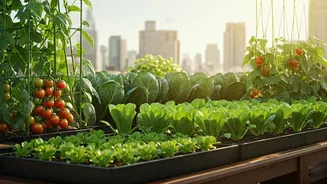
The plant that originated from the full tomato slice planted directly into the soil yielded an even more spectacular result, leaving Prigioni in a state of astonishment. By day 108, this particular plant was laden with dozens of tomatoes that were visibly ripening. Prigioni expressed his profound surprise, stating that while he anticipated growth, the sheer volume of fruit on a single plant exceeded his expectations. He described the sight as unprecedented in his gardening experience, having never witnessed such an abundant yield from one tomato plant. This outcome dramatically highlighted the success of his unconventional approach, transforming a humble fast-food component into a prolific source of fresh produce, and garnering widespread admiration.
Flavor Profile and Genetics
Upon harvesting, Prigioni proceeded to conduct a taste test of the tomatoes. He described the flavor as possessing a mild sweetness with a notable absence of acidity, making them highly palatable for direct consumption in large quantities. He also observed a subtle difference in taste between the tomatoes from the two plants, noting that the smaller tomato from the bucket plant was sweeter. Importantly, Prigioni highlighted that the tomatoes were likely hybrids. This genetic characteristic means that each plant might exhibit unique growth patterns and fruit qualities, and crucially, that seeds from these tomatoes might not produce plants identical to the parent, a common trait in hybrid varieties. This genetic aspect adds another layer of complexity to the experiment's outcomes.
Ripening Challenges and Insights
As the experiment progressed to day 121, the plant grown directly in the ground showcased many large tomatoes. However, a significant observation was that these fruits were not uniformly ripe. Prigioni attributed this uneven ripening to the inherent characteristics of hybrid plants, suggesting that this trait is sometimes lost or altered in hybrids, leading to inconsistent development. This observation provided valuable insight into the challenges associated with cultivating hybrid varieties, particularly concerning their predictable ripening cycles. While the plant produced a substantial amount of fruit, the inconsistent ripening presented a minor hurdle in achieving a perfectly uniform harvest, underscoring the complex nature of plant genetics and cultivation.
Motivation Behind the Fun
Prigioni revealed that his primary motivation for undertaking this unique experiment was rooted in a desire for enjoyment and personal fulfillment. He found immense pleasure in the process and its unexpected outcomes. Furthermore, he noted that the excitement generated by observing the progress of the tomatoes from the burger significantly invigorated his broader gardening efforts. It compelled him to spend more time in his garden, leading him to reassess and improve other areas of his cultivation. The experience provided a refreshing and novel perspective on gardening, demonstrating how even the most unconventional starting points can lead to rewarding results and a deeper connection with nature.