





Calf Raises: A Mini Boost
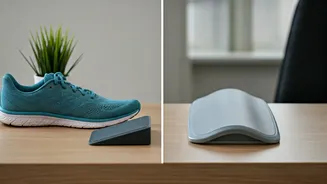
When you're chained to your desk for extended periods, even small movements can make a significant difference. Seated calf raises, for instance, are a surprisingly
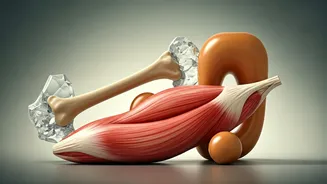
effective tool to keep your blood circulating. Dr. Swapnil Zambare highlights that our calf muscles play a crucial role, often referred to as the body's 'second heart,' by assisting the return of blood from the lower extremities to the heart. Prolonged sitting can impede this flow, leading to uncomfortable sensations like heaviness or swelling. By repeatedly lifting and lowering your heels while seated, you engage these muscles, promoting better circulation. While these seated exercises don't substitute for a full-body workout, they offer a practical and accessible method to inject some activity into otherwise sedentary hours, helping to mitigate some of the negative effects of prolonged immobility.
Walking: The Holistic Approach
In contrast to targeted seated movements, walking emerges as a more comprehensive solution for counteracting the ill effects of sedentary work. Dr. Zambare explains that walking engages a multitude of muscle groups, encompassing the legs, hips, and even the core. Beyond muscular engagement, it significantly boosts overall blood circulation, contributes positively to cardiovascular health, and serves as an excellent method for alleviating the stiffness that accumulates from sitting for too long. Even brief walking intervals, as short as five to ten minutes during work breaks, can yield noticeable improvements. While seated calf raises are valuable when physical movement is restricted, walking provides a broader range of physiological benefits, making it a generally superior option for maintaining an active lifestyle during the workday.
Combining Movements for Best Results
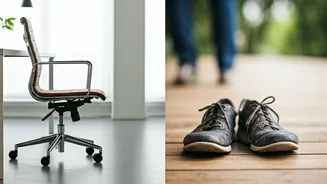
For individuals whose professional lives demand extended periods of sitting, the optimal strategy likely involves a harmonious blend of both targeted seated exercises and regular walking breaks. Dr. Rakesh Nair suggests that walking is advantageous due to its ability to activate multiple muscle groups, enhance blood flow, support joint flexibility, and reduce the risks associated with stiffness and potential blood clots. He notes that many opt for walking as a primary activity when other forms of exercise are not feasible. Furthermore, walking supports heart health and aids in weight management. Seated calf raises, on the other hand, prove beneficial when continuous movement isn't practical, such as during lengthy desk sessions. These exercises specifically target the calf muscles, assisting venous return and mitigating lower leg swelling, though they don't offer the full-body advantages of walking. Dr. Zambare reiterates that a combined approach is most effective. Incorporating short walks every hour helps the body reset and combat stiffness, while interspersed seated movements like calf raises, ankle rotations, or simple stretches keep the legs actively engaged throughout the day.