



The Globetrotting Potato
Potatoes, now a quintessential part of Indian meals like aloo parathas, samosas, and various curries, have an unexpected origin. This starchy staple originally
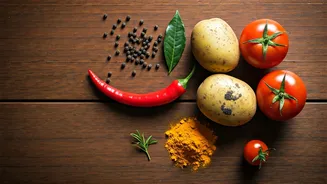
hails from the Andes region in South America, encompassing present-day Peru and Bolivia. It was the Portuguese traders who first introduced potatoes to the Indian subcontinent during the 17th century. Over centuries, this adaptable tuber has woven itself into the fabric of Indian cooking, becoming one of its most indispensable ingredients, despite its distant roots.
Chillies' Spicy Arrival
While Indian food is globally renowned for its characteristic heat, the chillies that provide this fiery kick are not indigenous to the country. Their birthplace is actually Central and South America. Portuguese traders are credited with bringing chillies to India in the late 15th and early 16th centuries, a consequence of burgeoning global trade routes connecting the Americas. Quickly, chillies surpassed black pepper in popularity due to their affordability and versatility, becoming the go-to spice for adding heat to dishes.
Tamarind's Tangy Past
Tamarind, a key ingredient in many Indian staples such as chutneys, sambhar, and curries, particularly in the southern regions, is deeply associated with Indian gastronomy. However, this tangy fruit's origins lie in tropical Africa. Through ancient trade networks that spanned continents, tamarind eventually found its way to India centuries ago. Its distinctive sour flavour quickly captivated the Indian palate, leading to its widespread adoption in regional cuisines.
Betel Leaves' Journey
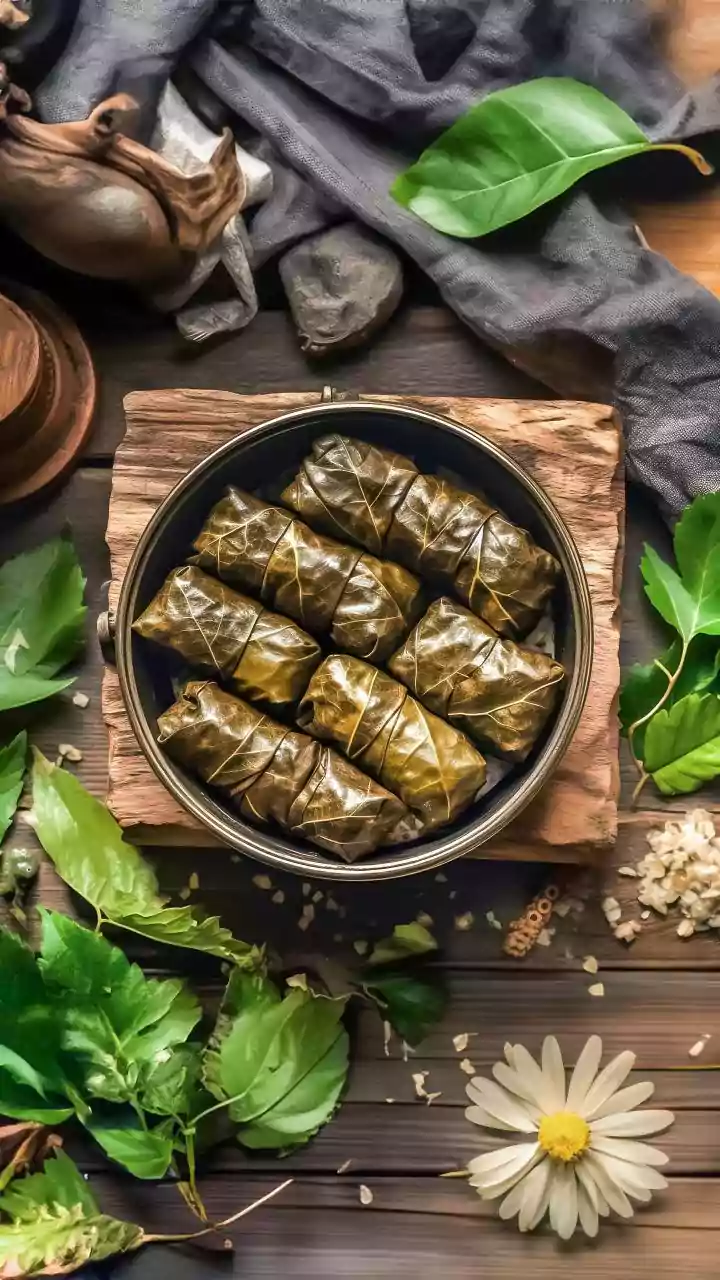
Betel leaves, famously used in the preparation of paan and frequently linked to Indian customs and rituals, are not native to the subcontinent. Botanical evidence suggests the betel plant originated in Southeast Asia, specifically in areas around Malaysia and Indonesia. The practice of chewing betel leaves later migrated to India and across South and Southeast Asia, gradually becoming an integral part of Indian cultural and social traditions.
Tomatoes' South American Roots
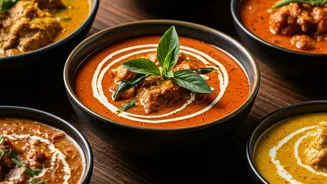
Tomatoes are a fundamental component in a vast array of Indian dishes, forming the base for countless gravies, curries, and chutneys. Nevertheless, this versatile fruit is native to western South America and was first cultivated in Mexico. Portuguese traders introduced tomatoes to India in the 16th century. Today, despite their relatively recent introduction to the country's culinary timeline, tomatoes have become an indispensable ingredient in Indian kitchens across the nation.
Unseen Global Connections
The sensory experience of Indian cuisine—whether it's the morning ritual of coffee, the vibrant spice of chillies in a curry, or the refreshing taste of paan post-meal—is often taken for granted. Yet, many of these foods, perceived as quintessentially Indian, embarked on extensive journeys before becoming household staples. Traders, explorers, and the establishment of colonial trade routes facilitated the introduction of numerous ingredients to the subcontinent centuries ago. Their seamless integration into Indian cooking has made their foreign origins largely invisible to modern consumers.