


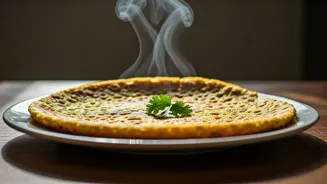
Thepla: A Lighter Contender
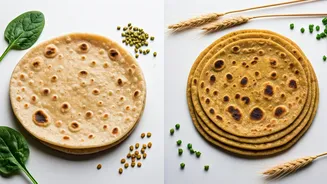
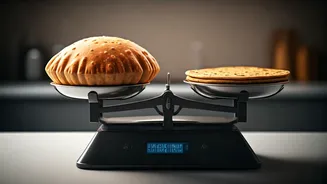
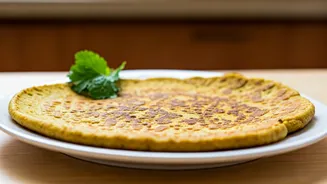
Thepla often emerges as the default lighter option when considering weight management. A standard thepla typically hovers around 120 calories, making it
a more modest choice compared to many paratha variations. Its primary ingredient, whole wheat flour, provides complex carbohydrates that are digested slowly. This characteristic is crucial for sustained energy release throughout the morning, helping to curb untimely hunger pangs. Furthermore, when methi (fenugreek leaves) are incorporated, thepla gains added fiber, which is beneficial for digestive health and can aid in appetite control. A significant advantage of thepla is its minimal oil requirement during cooking. This controlled use of fat directly contributes to keeping calorie counts lower, a key factor for anyone focused on shedding pounds. Beyond its nutritional profile, thepla’s texture allows it to remain soft for extended periods, making it incredibly convenient for busy schedules. Its portability and predictable portion sizes (usually one or two pieces) also simplify calorie tracking and management, aligning well with structured dietary plans.
Paratha: Versatility and Fulfilment
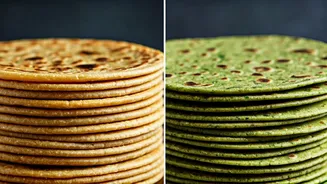
While paratha can sometimes carry a heavier reputation, its nutritional value is highly dependent on its preparation and ingredients. A plain paratha can be as low as 70-80 calories; however, this count escalates rapidly with the addition of calorie-dense fillings like potato (aloo), cheese, or heavily spiced mixtures, especially when generous amounts of oil or ghee are used in cooking. When made with whole wheat or multigrain flour, parathas serve as an excellent source of complex carbohydrates, promoting a feeling of fullness that helps reduce the urge for mid-morning snacking and contributes to stable blood sugar levels, preventing energy crashes. The protein content of parathas can be significantly boosted by including ingredients such as paneer, moong dal, methi, or peas. A higher protein intake is associated with increased satiety and fewer cravings, according to various dietary guidelines. The true strength of paratha lies in its adaptability; minor adjustments can transform it into a health-conscious meal. Opting for less oil, using multigrain flour, and choosing vegetable or lentil-based fillings are effective ways to enhance its nutritional balance. Moreover, parathas are incredibly versatile, allowing for a wide array of healthy additions like spinach, beetroot, or even paneer. Pairing them with yogurt or a side salad, rather than rich accompaniments, further refines the meal into a balanced and satisfying option.
Making Healthier Choices
When prioritizing weight loss, thepla generally holds an advantage due to its inherent lower oil usage and calorie count, making it a naturally gentler option for digestion. However, paratha is far from being off the table. By employing mindful cooking techniques – using minimal oil, opting for whole grain or multigrain flours, and incorporating nutrient-rich fillings like vegetables or lentils – a paratha can be transformed into a wholesome and balanced meal. Parathas often provide a greater sense of fullness, which can be beneficial on days when you require more sustained energy. For those aiming for a healthier preparation of thepla, rinsing the dough lightly with water while kneading and allowing it to rest for 10-15 minutes can help maintain softness without needing extra oil. Incorporating ingredients like methi or doodhi can also improve texture. To prevent parathas from tearing, ensure the dough rests for at least 30 minutes to develop gluten properly, roll it evenly, and cook on a hot griddle, applying oil or ghee sparingly only after browning. For both dishes, cooking on a well-heated tawa ensures quick cooking without sticking, thereby reducing oil dependence. Using a silicone brush to apply oil lightly is more effective than pouring it directly onto the pan. Ultimately, both thepla and paratha can be integral parts of a healthy diet, provided they are prepared with attention to detail and portion control is maintained.