







Illness-Related Weight Loss
Weight loss that is associated with an illness is frequently an involuntary consequence of a health condition. Various medical conditions can affect a person's
weight due to a variety of underlying factors. The loss of appetite, a condition that frequently accompanies illness, can dramatically reduce calorie consumption, leading to weight loss. Some diseases, such as cancer, can cause the body to burn more calories than usual, leading to weight loss. Certain illnesses can also impact the body's ability to absorb nutrients. For example, some gastrointestinal conditions can interfere with nutrient absorption, causing weight loss. Additionally, treatments for some diseases, such as chemotherapy for cancer, can lead to weight loss due to side effects like nausea and vomiting. Finally, mental health disorders, such as depression or eating disorders, can significantly affect eating patterns and result in weight changes, including loss.
Lifestyle Changes for Weight
Lifestyle adjustments constitute a cornerstone of sustainable weight management. Diet, exercise, and overall daily routines play crucial roles in this process. Dieting involves monitoring caloric intake and making sure to consume a balance of nutrients. A high-protein, high-fiber diet, often combined with reduced intake of processed foods and added sugars, can promote weight loss and overall health. Regular physical activity, comprising both cardio and strength training, burns calories and improves metabolism. Increasing daily activity levels, such as taking the stairs or walking more, can also contribute to calorie burning. In addition, adopting healthy sleep habits, reducing stress, and drinking enough water are also pivotal. Creating long-term healthy habits is critical for weight management, and can ensure that weight loss is sustainable. The combination of dietary changes, regular exercise, and healthy habits provides a comprehensive strategy for attaining and keeping a healthy weight.
Medical Interventions and Weight
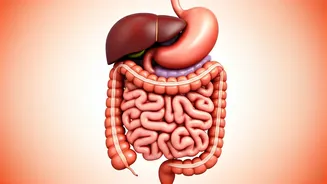
Medical interventions represent additional strategies in the context of weight loss. These interventions are often considered when lifestyle changes alone are insufficient to achieve desired results or when health conditions require more immediate action. Medications can be prescribed to aid weight loss. These drugs work in different ways, such as by reducing appetite or interfering with nutrient absorption. Procedures such as bariatric surgery are options for those with severe obesity. These surgeries reduce the size of the stomach or change how the digestive system absorbs food, leading to significant weight loss. Medical supervision is essential to ensure that such interventions are safely and appropriately managed. Alongside the use of medical interventions, there is often a requirement of follow-up care that may include dietary guidance and monitoring for potential side effects. These treatments have the potential to deliver meaningful outcomes for weight loss and overall health.