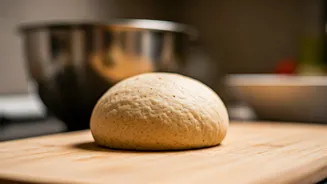

Dough's Dynamic Nature
Even when stored in the refrigerator, dough continues to undergo transformations. These alterations may not make the dough immediately unsafe, but they
do impact its overall quality and digestibility. Gluten development continues, potentially leading to tougher, less pliable dough. Moisture redistributes within the dough, which could result in a dry, cracked surface. Furthermore, important nutrients like vitamin C and folate gradually diminish over time. Mild fermentation may also take place, contributing a slightly sour aroma or flavor. This can lead to bloating or acidity in some individuals. Due to the increasing popularity of meal prep and efficient kitchen practices, understanding whether or not refrigerated dough is safe has become increasingly significant. The debate has been further fueled by smart kitchen habits, viral food hacks, and platforms that encourage efficiency in the kitchen.
Shelf Life Guidelines
Experts generally agree on some straightforward guidelines for storing dough safely. Dough left at room temperature should ideally be used within 2 to 3 hours to avoid bacterial growth. If you choose to refrigerate the dough in an airtight container, it's best to use it within 12 to 24 hours. For longer storage, you can freeze the dough, provided it's properly wrapped, and it can last up to two months. The freshness of the rotis made from fresh dough compared to older dough is quite noticeable. Freshly kneaded dough often results in rotis that are softer and gentler on the stomach. On the other hand, older dough may lead to uneven cooking and might need more flour during rolling, resulting in drier and less flavorful rotis. Therefore, the age of the dough significantly impacts the final product's quality.
Refrigeration Is Key
The straightforward answer to the question of whether leftover dough is safe is yes, but only if it's been stored correctly. Food safety professionals suggest that refrigerated dough should not be kept for longer than 24 hours. The risk of contamination increases when the dough is kept out of the refrigerator for extended periods, especially overnight. Although storing dough overnight might be convenient, its safety relies heavily on factors such as temperature, hygiene, and handling practices. It's crucial to acknowledge that storing dough in a contaminated container or handling it with unclean hands can elevate the risk of foodborne illnesses, even if the recommended refrigeration period is adhered to. Always make sure your hands and storage containers are clean to prevent any contamination of the dough.
Risks of Improper Storage
Dough that's left at room temperature for over 2 to 3 hours carries the risk of harmful bacterial growth. Keeping dough at room temperature for extended periods, such as 8 to 10 hours or more, can enable harmful bacteria like E. coli and Salmonella to multiply, thus increasing the chance of foodborne illness. While refrigeration slows bacterial growth, it does not stop it completely. The changes in texture, smell, and taste become more pronounced the longer the dough is stored. It's crucial to rely on your senses to evaluate the dough's condition. Always discard the dough if you notice any unusual changes in color, texture, or odor. Trust your instincts, and prioritize your health by erring on the side of caution when dealing with leftover dough.