



Understanding Crumbs
In the culinary world, 'crumbs' often represent the initial steps or the fundamental elements one should consider before starting a dish or any cooking
style. This could involve everything from knowing the right ingredients to having the right equipment. Considering the nature of the available information, the focus is on a broad approach. Starting with a solid foundation is essential for culinary success, and having this understanding serves as a good entry point. This includes comprehending basic cooking methods, how ingredients interact, and how to create simple dishes. This initial phase helps to build confidence and encourages further culinary exploration. This means taking into account the basics and the foundational knowledge of cooking.
Easy Culinary Beginnings
Embarking on a culinary journey doesn't necessitate advanced skills or a plethora of complex techniques. The true essence of beginning lies in simplicity. Instead of being intimidated by intricate recipes, one should start with straightforward dishes. These dishes, such as omelets or simple salads, allow one to gain experience with fundamental cooking methods. Mastering these basics, like understanding heat control or how to season food appropriately, sets the stage for more complex culinary endeavors. This approach helps reduce the initial pressure of cooking and builds confidence in the kitchen. Focusing on a few simple, well-made recipes allows an individual to explore flavors and learn at their own pace. This makes the entire cooking experience more enjoyable and less overwhelming. The emphasis is on building comfort and ease in the kitchen.
Embracing Simple Recipes
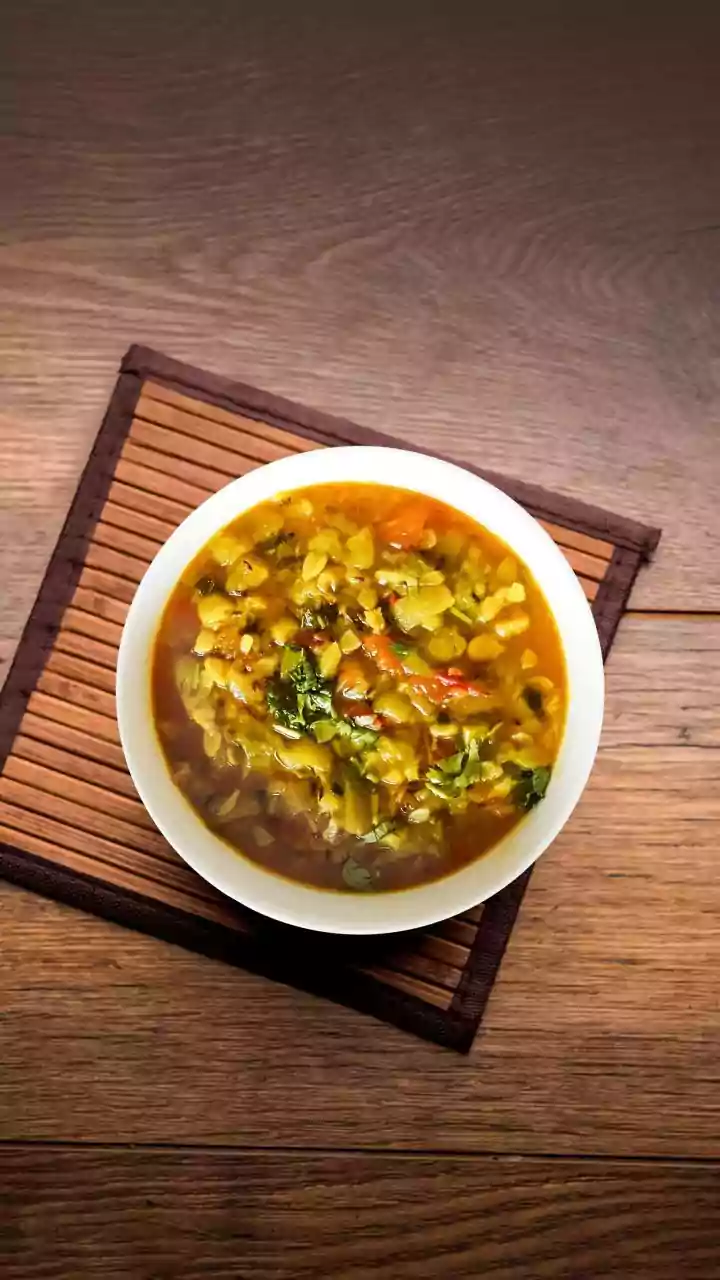
The beauty of culinary arts lies in simplicity. Many delicious dishes require only a few key ingredients and basic techniques. Simple recipes are accessible and offer the perfect foundation for learning. For example, a simple pasta dish with garlic, olive oil, and herbs can teach the importance of flavor combinations and the effects of heat. A basic soup recipe helps in understanding ingredient ratios. These are perfect examples where anyone can focus on fundamental techniques. These experiences build a solid understanding of how ingredients combine and interact, which is important for understanding more complex culinary creations later. Moreover, these straightforward recipes allow for experimentation with flavor profiles. With the right foundation, confidence in the kitchen grows, encouraging further exploration and culinary creativity. This initial exploration builds a fundamental comfort.
Building Culinary Confidence
Confidence in the kitchen doesn't happen overnight. It develops through practice and successful experiences. Once the basics have been mastered, the feeling of empowerment and satisfaction that comes with creating a delicious meal is huge. Each successfully completed dish serves as a building block, making one feel more confident and willing to take on new challenges. Over time, that feeling of empowerment leads to greater experimentation. This might mean trying new cuisines, adapting recipes, or experimenting with different flavor combinations. Building this confidence can be more rewarding and enjoyable. When one is comfortable in the kitchen, the creative possibilities are endless. This is a path to a more enjoyable culinary journey.