






Garage Painting Fails
Garages are a frequent source of DIY painting disappointment, primarily because many homeowners underestimate the unique demands of this space. Unlike
typical interior walls, garage floors and walls are constantly subjected to a barrage of harsh conditions. These include significant temperature swings, accumulating moisture, and the abrasive wear and tear from vehicles and stored equipment. Standard interior paints, while appearing suitable initially, are simply not designed to withstand this environment. Professionals note that within a short period, such as a few weeks, DIYers often find their freshly painted garage surfaces exhibiting signs of premature failure, like peeling, staining from oil and tire marks, and rapid scuffing. This results in a finish that looks considerably worse than the original state, leading to considerable frustration and the need for a costly redo.
Metal and Slick Surfaces
Another common area of regret for DIY painters involves tackling materials that inherently resist paint adhesion without specialized treatment. Galvanized metal, frequently found on garage doors, storage shelves, and structural elements, presents a significant challenge. This metal type has a surface composition that naturally repels paint, making it difficult for coatings to bond effectively. Many DIY enthusiasts are unaware of this property, leading to a paint job that chips and peels almost immediately after application. Experts emphasize that painting galvanized metal successfully requires thorough sanding to create a porous surface and the application of a specialized bonding primer. Without these crucial preparation steps, any paint applied will merely sit on the surface and offer no lasting durability. Similarly, surfaces that are heavily stained with oil or sealed with silicone are also problematic, as paint consistently struggles to adhere and will flake away easily.
Dark and Matte Paint Woes
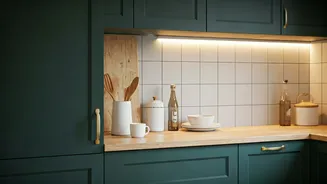
The allure of dark and matte paint finishes, often admired for their sophisticated appearance in online photos, frequently leads to regret once applied in a real-world setting. Professionals observe that matte finishes, while visually appealing in certain contexts, are highly susceptible to showing every imperfection. Smudges, scuff marks, and fingerprints are readily visible, especially in areas with high foot traffic or in utility spaces like garages. Furthermore, deep, dark paint colors have a tendency to absorb more heat. This increased heat absorption can be particularly detrimental for doors, as the trapped thermal energy can cause the underlying wood to expand and contract, ultimately leading to paint peeling and potential structural damage over time. The aesthetic appeal captured in a photograph often doesn't translate into the practical, durable finish desired for everyday living.
The Prep Work Imperative
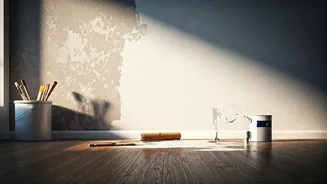
Perhaps the most universally acknowledged cause of DIY painting regret stems from the outright omission or inadequate execution of proper surface preparation. Experts consistently highlight that neglecting thorough cleaning and priming is a near-certain path to paint failure, regardless of the quality or cost of the paint itself. In spaces like garages, the accumulation of grease, dirt, and residue from vehicle exhaust and stored equipment can be substantial. Failing to remove these contaminants means the paint has no solid foundation to adhere to. Even with advancements in paint technology, surfaces like raw wood or those with a slick finish still demand specific primers that promote long-term adhesion. Without this critical groundwork, even premium paints will not withstand the test of time and use, leading to premature wear and a disappointing outcome.
When Paint Isn't the Answer
In some instances, the biggest source of regret for DIYers isn't about the method of painting, but the decision to paint at all. Experts advise a critical evaluation of the situation to determine if painting is truly the most effective solution. For certain surfaces or issues, alternative approaches such as sealing, resurfacing, or even replacement might be more appropriate and ultimately more cost-effective. Painting over a problem that requires a different treatment can lead to recurring issues and wasted effort. Additionally, professionals caution against painting items that are in constant motion or subject to friction, such as door hinges. The repetitive movement will inevitably cause the paint to peel or chip, and it can also interfere with the smooth operation of the item, diminishing its functionality.