







The Modern Professional's Predicament
In the dynamic landscape of urban India, ambitious young professionals are dedicating longer hours to their careers, often at the expense of their well-being.
The relentless pursuit of success means tighter deadlines, extended workdays, and a constant digital connection, pushing personal health to the periphery. Consequently, individuals in their late twenties and early thirties are experiencing noticeable weight gain, often without a clear understanding of when or how it began. This trend is alarming as it shifts the onset of lifestyle-related conditions like obesity, diabetes, and hypertension to a much younger demographic, a phenomenon previously observed in older age groups. Experts are increasingly observing these health issues in individuals barely in their early thirties, highlighting a significant departure from traditional health patterns.
Lifestyle Over Appetite
The primary driver of this burgeoning weight gain is not necessarily overconsumption of food, but rather the disruption of daily routines and physical inactivity. The typical workday begins early and concludes late, leading to a cascade of unhealthy eating habits. Breakfast is frequently skipped, lunch is often a hurried affair at the desk, and dinner is postponed until late at night. In the interim, reliance on quick fixes like tea, coffee, and processed snacks becomes common. This pattern bombards the body with energy without providing sufficient opportunities to expend it, creating an energy surplus that gradually manifests as weight gain. The body's natural energy balance is consistently thrown off, leading to cumulative changes that are hard to ignore over time.
The Sedentary Trap
Prolonged periods of sitting have become an inescapable norm for many professionals, often extending to eight to ten hours daily. This sedentary behaviour extends beyond the office, encompassing commutes and post-work screen time at home. When muscles remain largely inactive for extended durations, the body's metabolic rate begins to decelerate. This reduction in metabolism means that calories consumed are more likely to be converted and stored as fat, with a particular tendency for accumulation around the abdominal area. This gradual shift in body composition is easily overlooked in its early stages but can become exceedingly difficult to rectify if left unaddressed, underscoring the critical impact of prolonged inactivity.
Stress and Sleep's Toll
Late-night work demands and continuous exposure to screens significantly disrupt natural sleep patterns. Reduced sleep duration directly impacts the body's hunger hormones, leading to increased cravings for high-calorie, often unhealthy, foods and a general decrease in energy levels. This creates a vicious cycle where individuals resort to caffeine and energy-dense snacks to cope with fatigue, further exacerbating the issue. Simultaneously, work-related pressures and job insecurity keep the body in a perpetual state of alertness, elevating cortisol levels. Elevated cortisol is strongly associated with increased fat storage, particularly around vital organs. Moreover, chronic stress can have profound effects on reproductive health, potentially interfering with ovulation in women and diminishing testosterone levels and sperm quality in men. Addressing stress and improving weight can often lead to positive outcomes in fertility.
Hidden Dangers of 'Slight' Gain
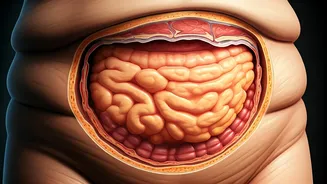
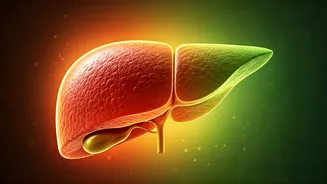
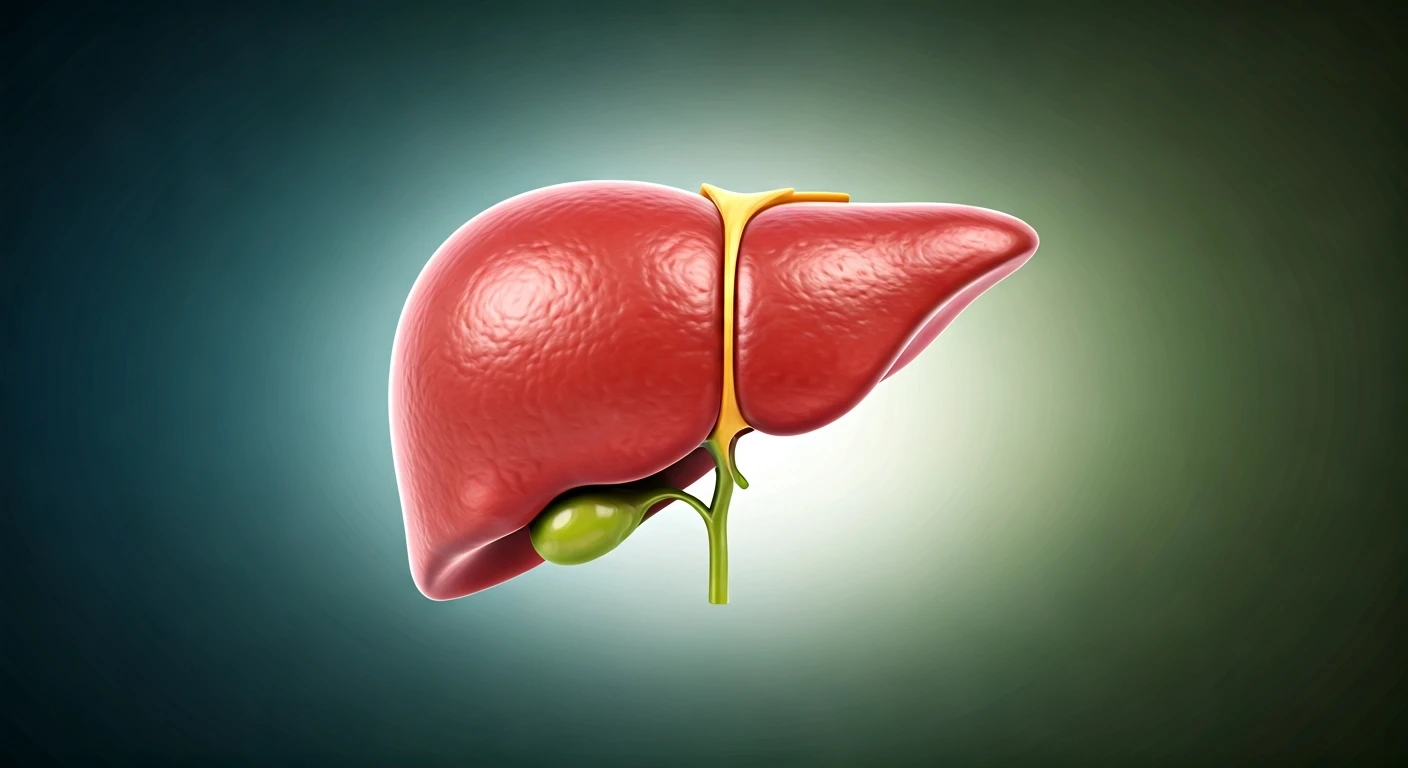
Young adults often misjudge their health status by focusing solely on outward appearance, assuming that if they don't appear significantly overweight, they are healthy. However, this perspective overlooks the dangers of visceral fat, the fat accumulated deep within the body around internal organs. This internal fat accumulation significantly elevates the risk of developing serious health conditions such as diabetes and fatty liver disease. Medical professionals frequently identify early signs of these diseases in individuals who perceive themselves as only slightly overweight, highlighting the silent and insidious nature of these internal health changes. The absence of visible obesity does not guarantee the absence of underlying health risks.
Fertility and Joint Concerns Emerge
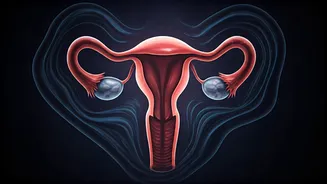
The link between weight gain and fertility issues is becoming increasingly evident among young professionals. Hormonal imbalances triggered by excess weight can lead to complications like irregular menstrual cycles or Polycystic Ovary Syndrome (PCOS) in women. In men, weight gain can negatively impact sperm quality. Concurrently, joint problems are manifesting at an unprecedentedly young age. Even a modest increase in body weight places undue pressure on joints, particularly the knees and lower back, conditions that were historically associated with older age groups, signaling a premature onset of age-related physical ailments.
Reversing the Trend
The positive news is that the detrimental effects of this lifestyle-induced weight gain are largely reversible. Even modest weight reduction can yield significant improvements in blood sugar levels, boost overall energy, and help restore hormonal balance. The key lies not in drastic measures but in sustainable lifestyle adjustments. Prioritizing regular meal times, incorporating daily physical activity, and ensuring at least seven hours of quality sleep are far more effective than resorting to crash diets or sporadic bursts of intense exercise. Health and professional success are not mutually exclusive; nurturing one supports the other. Investing in health during one's twenties and thirties is crucial for preventing chronic diseases that could impact decades to come, emphasizing that proactive self-care is often the most impactful shift.