






A Meal For Bottles
In the bustling Bhandup area of Mumbai, a unique system is in place where discarded plastic bottles can be exchanged for a hot meal. This innovative concept,
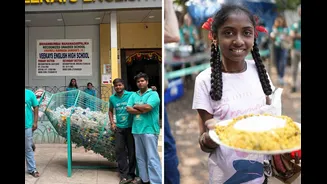
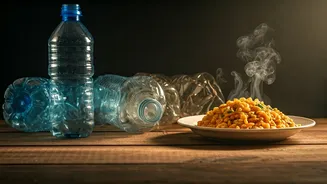
spearheaded by Shakti Yadav, operates on a straightforward principle: bring 20 plastic bottles, and receive a nourishing meal in return. This initiative directly addresses two pressing issues simultaneously: food insecurity and the rampant problem of plastic pollution. The impact has been substantial, with over 45,000 meals distributed to date. Beyond just providing sustenance, the program actively encourages the collection and responsible disposal of plastic waste that would otherwise litter the environment. The collected plastic is not merely discarded; it's channeled into a recycling process, further amplifying the project's positive environmental footprint and demonstrating a circular economy in action within the community.
Childhood Roots of Change
The inspiration behind 'Buy Food With Plastic' stems from Shakti Yadav's personal childhood experiences in Bhandup. During the monsoon seasons, his neighborhood frequently faced severe flooding, with sewage water inundating homes. He observed firsthand how plastic waste was a primary culprit, clogging drainage systems and exacerbating the unsanitary conditions. This early exposure to the detrimental effects of plastic pollution deeply affected him, planting the seeds for a future solution. Instead of passively accepting the recurring problem, Shakti was motivated to create a tangible remedy. His initiative is a direct response to these formative memories, transforming a childhood struggle into a powerful force for community betterment and environmental advocacy through a practical, community-driven approach.
Upcycling for a Future
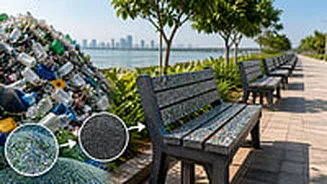
The collected plastic bottles are not just a means to an end; they embark on a journey of transformation. Shakti Yadav's initiative includes a dedicated manufacturing unit where the gathered plastic waste is upcycled into a variety of useful household items. These products are designed to have a life beyond their initial collection, contributing to a broader cycle of sustainability. Impressively, these upcycled goods have found markets extending far beyond Mumbai, reaching international destinations such as Japan, Switzerland, and Germany. This demonstrates that a local solution, born from a personal vision, can evolve into a significant contributor to the global effort towards waste reduction and resourcefulness. The project elegantly showcases how discarded materials can be given new purpose, fostering a more sustainable economic and environmental model.
Persistence Over Doubts
Shakti Yadav's path was far from smooth, marked by considerable skepticism and doubt. As a first-generation learner, his unconventional approach to tackling social and environmental issues often drew ridicule. He made the significant decision to leave behind a corporate career, dedicating his time and energy to nurturing his idea, often working from public spaces like cafes and parks. Even his own family initially found it difficult to grasp the vision behind his efforts. However, Shakti's unwavering commitment and persistence proved instrumental. He recognized that some ideas, driven by a strong purpose, thrive on dedication rather than immediate external validation. His current success serves as a powerful testament to the efficacy of his vision and the resilience required to bring about meaningful change, proving that impactful initiatives can emerge from determined individuals against considerable odds.
A Ripple Effect of Hope
Shakti Yadav's 'Buy Food With Plastic' initiative is more than just an exchange program; it's a catalyst for widespread positive change. By offering meals in return for plastic, it provides crucial access to food for vulnerable populations, including children and daily-wage earners who might otherwise face hunger. Concurrently, it instills a sense of responsibility and encourages active participation in waste management among the community. The collected plastic is meticulously processed and upcycled into marketable goods, creating a sustainable revenue stream that supports the continuation of the meal distribution. This holistic approach, tackling both immediate needs and long-term environmental concerns, has resonated significantly, with over 45,000 meals served and more than 1 lakh plastic items collected and repurposed. The initiative embodies the spirit of 'Mumbai kisi ko bhookha nahi sone deta' (Mumbai doesn't let anyone sleep hungry) by ensuring dignity and sustenance through environmental stewardship.