




The Ube Phenomenon
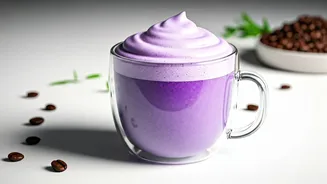
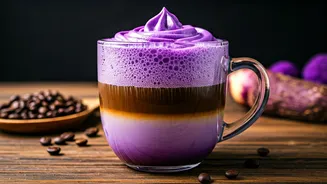
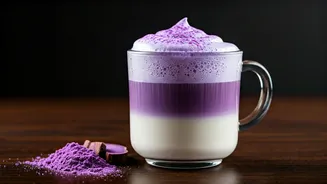
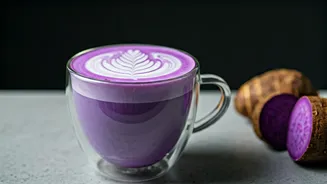
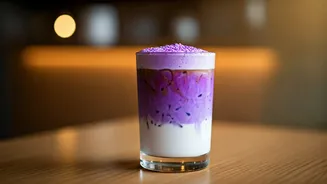
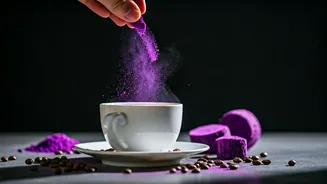
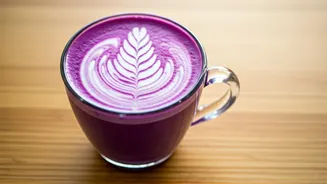
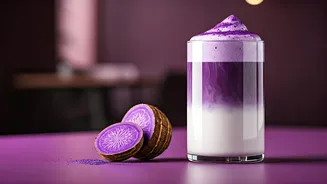
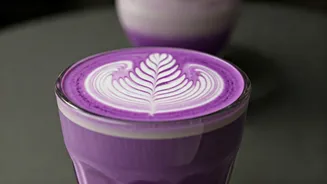
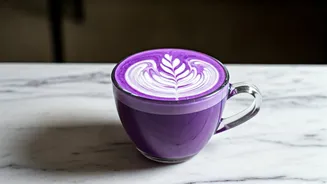
The captivating allure of ube coffee has swept through social media, transforming simple caffeine fixes into visually stunning, pastel purple beverages.
Originating from Filipino culinary traditions, ube, or purple yam, is celebrated for its distinct sweet, earthy taste, smooth consistency, and, most notably, its intense violet hue. Traditionally a star ingredient in desserts like custards and ice creams, ube has now infiltrated the contemporary coffee scene, creating drinks that are as photogenic as they are talked about. This trend begs the question: beyond its undeniable aesthetic appeal, does ube coffee offer any tangible health advantages, or is it primarily a fleeting social media craze driven by its striking colour?
Nutritional Nuances Unveiled
While ube itself contains beneficial elements like dietary fibre and antioxidants, which can contribute positively to digestive well-being and general health, it's crucial to approach ube coffee with a balanced perspective. Dieticians note that the surge in ube coffee's popularity is significantly fueled by its visual impact and extensive social media promotion. Although ube does impart some nutritional value, it should not be misconstrued as a miracle superfood. In moderate quantities, it can offer a nutritional boost, but it doesn't possess magical properties. Therefore, while it contributes somewhat to health, its current status is predominantly that of a trend.
Healthier Than Your Average?
When considering whether ube coffee stands as a healthier alternative to conventional flavoured coffees, the answer hinges significantly on its preparation. If crafted using simple methods, it can indeed be a more beneficial choice. The inclusion of actual ube imparts fibre and antioxidants, which are definite advantages. However, the health quotient often diminishes when cafés transform ube coffee into a dessert-like concoction. Many commercially prepared ube coffees are loaded with excessive sugar, sweet syrups, and rich cream. When these additions are prevalent, the beverage's health benefits are greatly compromised, rendering it no more advantageous than a regular sweetened coffee. Ultimately, the wellness factor is entirely contingent on how the drink is made.
Considerations for Diabetics
The natural sweetness of ube often leads to assumptions that ube coffee is inherently suitable for individuals managing diabetes. However, the safety and health impact depend not solely on the ube but on the complete composition of the final beverage. Dieticians advise that ube coffee should be consumed with caution and in moderation. The addition of sugar, cream, and milk can rapidly elevate calorie counts and blood glucose levels. For those monitoring their weight or managing diabetes, controlling portion sizes is as vital as being aware of the ingredients. It is recommended to opt for versions with reduced sugar content and to maintain strict portion control for safe consumption.
Ube Coffee vs. Matcha
In the ongoing discussion about healthier cafe beverages, ube coffee is frequently compared to matcha, another popular drink on wellness menus. According to expert opinions, matcha generally holds a stronger nutritional advantage. This is attributed to a greater body of scientifically validated health benefits associated with matcha, including its rich antioxidant profile and potential to aid metabolism. While ube does offer fibre and some antioxidants, its health benefits are considered less pronounced than those of matcha. Consequently, when placed side-by-side for a health comparison, matcha emerges as the slightly superior option.