





Ghee Purity Concerns
Ghee, revered in Ayurvedic traditions for its health benefits, is facing scrutiny as regulatory bodies like the FSDA are flagging brands as unsafe for consumption.
Recent reports indicate that six specific brands in Aligarh have been banned for sale, manufacture, and storage following quality tests that revealed the presence of harmful adulterants. These substances can include vegetable fats and fatty acid mono- and diglycerides, which can lead to significant health issues. The FSDA's action underscores the critical importance of ensuring the ghee we consume is pure and free from contaminants. Consumers are advised to be vigilant and scrutinize product labels and brand reputations when making purchases to safeguard their well-being from potentially detrimental ingredients that compromise both nutritional value and safety.
Risks of Adulterated Ghee
Consuming adulterated ghee can expose you to a range of serious health risks. Often, impure ghee is mixed with substances like vanaspati (hydrogenated fats), starch, animal fats, or synthetic colorings. The inclusion of starch or soapstone can disrupt your digestive system, causing discomfort such as bloating, stomach pain, and diarrhea. Furthermore, brands that mix ghee with vanaspati or hydrogenated oils introduce high levels of trans fats into your diet. These trans fats are known to elevate 'bad' cholesterol (LDL), reduce 'good' cholesterol (HDL), and substantially increase the likelihood of developing heart disease. Beyond gut health, these adulterants can impair the overall functioning of your body and, in severe cases, may even lead to damage of the nervous system. The nutritional integrity of the product is compromised, and the ingredients used are often of low quality, posing a direct threat to your health.
Simple Purity Tests
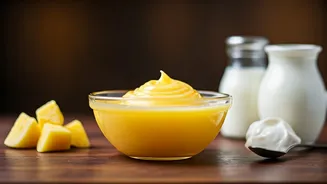
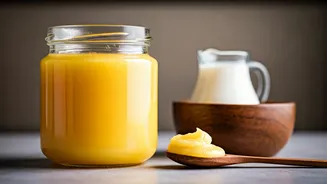
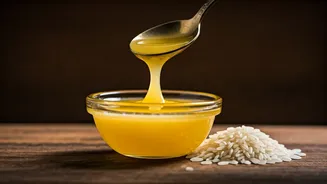
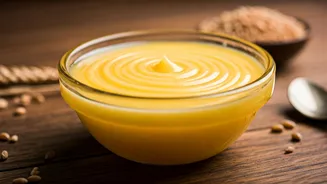
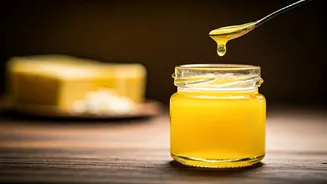
Verifying the purity of ghee at home can be done with a few straightforward tests, empowering you to make informed choices. Begin by examining its appearance and texture; pure ghee typically has a rich, golden hue and a creamy consistency, appearing clear and translucent when held up to light. A pale color might suggest the presence of preservatives. Next, consider the aroma and flavor: authentic ghee should possess a pleasant nutty scent and a smooth taste, never a burnt smell, as it has a high heating point. A burnt odor could signal moisture or additives. The 'Palm Test' involves pouring frozen ghee onto your palm; it should melt instantly if pure. For the 'Water Test,' add ghee to room-temperature water; pure ghee will float, while adulterated ghee will sink. The 'Iodine Test' can detect starch; adding two drops of iodine solution to ghee will turn it purple if starch is present. Finally, the 'Salt Test' involves mixing salt and ghee and observing the color change after 20 minutes; a red hue indicates adulteration.
Homemade Ghee Delight
Creating your own pure ghee at home is a rewarding process that ensures quality and freshness. Start with approximately 1 kg of homemade malai (cream), which you can collect and store for about 30-35 days. Once you have the desired quantity, gently warm the malai. Incorporate about half a tablespoon of curd, stir well, cover, and let it sit for 8 to 10 hours to ferment slightly. Refrigerate this mixture for another 12 hours. Subsequently, use a hand churner to vigorously churn the solidified cream until it transforms into light, fluffy butter. At this stage, add about 2 cups of ice water and continue churning to separate the butter from the buttermilk. Transfer the butter to a heavy-bottomed pan and simmer it over low heat. Continue cooking until a clear, golden liquid forms, which is your pure ghee. Allow it to cool, then strain and store it in an airtight glass jar or steel container. The leftover buttermilk can be used for various culinary preparations.