







The Microplastic Menace
Bottled water, often perceived as pristine, harbors a hidden threat: microplastics. Studies suggest that individuals who primarily consume bottled water may
ingest an alarming number of these tiny plastic particles annually, estimated at around 90,000. This contrasts significantly with those who favor tap water, who might consume closer to 4,000 particles. The packaging itself is the source, with plastic bottles capable of leaching these particles into the water over time. This leaching process is not static; it's significantly accelerated by elevated temperatures. When bottled water is exposed to heat, particularly above 25°C, the rate at which microplastics are released into the liquid increases substantially. Therefore, opting for bottled water that has been stored in warm conditions, like a car during summer, can lead to a higher intake of these microscopic contaminants.
Heat's Toxic Toll
Beyond microplastics, heat poses another significant risk to the quality of bottled water by accelerating the release of harmful chemicals. When plastic bottles are subjected to temperatures reaching 50°C or higher, they can rapidly leach antimony, a toxic heavy metal, into the water. This contamination isn't confined to prolonged exposure; even brief periods of high temperatures during the packaging, storage, or transportation phases can compromise the water's purity. Consumers often remain unaware of this chemical transfer, ingesting the contaminated water without realizing the potential health implications. The reliance on plastic packaging, regardless of manufacturer claims, introduces an inherent vulnerability to environmental factors that can degrade the water's safety.
Purifying Your Tap
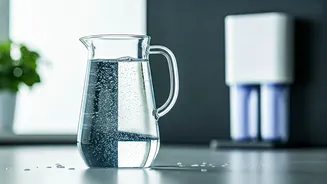
While concerns about tap water quality exist, especially in certain regions, a highly effective solution is readily available: filtration. According to health experts, tap water, when combined with the right filter, can be an excellent and safe hydration choice. Reverse osmosis (RO) filters are particularly recommended as they employ a semi-permeable membrane to meticulously remove a wide array of contaminants. This process is highly effective at filtering out microplastics, persistent chemicals known as PFAS (or 'forever chemicals'), and over 99% of lead. These advanced filtration systems can be integrated in various forms, including under-sink units, countertop models, or whole-house systems. Charcoal filters also offer a more accessible option, utilizing gravity to purify water. While not as potent as RO, they can still remove a considerable amount of impurities and are a more budget-friendly alternative.
Filter Maintenance Matters
To ensure the continued efficacy of any water filtration system, regular maintenance is paramount. It's easy to overlook the upkeep of these essential devices, but neglecting to change filters as per the manufacturer's instructions can diminish their ability to provide clean water. Setting calendar reminders can be a practical strategy to adhere to the recommended replacement schedule. By consistently maintaining your filters, you maximize their potential to remove harmful substances and ensure that your tap water remains a safe and healthy beverage. Making conscious, manageable changes, such as ensuring your water filter is functioning optimally, can collectively contribute significantly to your overall well-being without requiring drastic lifestyle overhauls.