







Embracing Volcanic Life
Living in the vicinity of active volcanoes might appear perilous, but for many, it's an ordinary part of their everyday routines. These communities, often
close to volcanic sites, benefit from factors that outweigh the dangers. Fertile soil, enhanced by volcanic ash, provides excellent conditions for agriculture. The unique landscapes and potential for eruptions also draw tourists, supporting local economies. The ties to their ancestral lands and cultural practices further bind these communities to their environment, even with the inherent risks. For many, the benefits of such an existence overshadow the potential for eruptions.
Fertile Soil's Bounty
Volcanic regions frequently offer incredibly fertile soil, making it advantageous for agriculture. The breakdown of volcanic materials, such as ash and lava, releases essential nutrients into the earth. This rich soil is ideal for growing various crops, giving a significant advantage to local farmers. The consistent replenishment of nutrients via volcanic activity helps to sustain long-term agricultural productivity. This naturally fertile soil supports robust crop yields, which can lead to higher productivity and enhance food security within the community. The appeal of fertile soil serves as a primary driver for many to settle near active volcanoes.
Tourism's Economic Boost
Active volcanoes are frequently major tourist destinations, providing substantial economic benefits to the local communities. The unique landscapes, the chance to witness volcanic activity, and the adventurous aspects of living close to a volcano captivate visitors from all over. Tourism generates revenue through hotels, restaurants, tour guides, and local businesses, increasing economic opportunities. Moreover, tourism also facilitates the preservation of cultural heritage, as tourists are drawn to unique traditions and practices, hence promoting investment in cultural sites and events. Tourism, therefore, helps develop local economies in a sustainable manner.
Cultural and Ancestral Ties
Deep-rooted cultural connections and ancestral legacies also contribute to the unique bonds communities have with their volcanic environments. In many communities, the volcanoes hold great cultural significance, appearing in myths and traditional stories. The ancestral lands also serve as significant cultural landmarks, anchoring the people to their history and identity. These cultural and historical bonds contribute to resilience. Even with the risks, the communities remain attached to their ancestral lands, reinforcing a strong sense of unity and shared heritage. These cultural bonds strengthen resilience and community cohesion.
Early Warning Systems
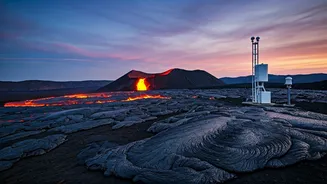
Advanced monitoring and early warning systems play a pivotal role in preserving the safety of these communities. These sophisticated systems incorporate seismographs, gas sensors, and ground deformation monitors to track any signs of impending eruptions. Information from these monitoring networks is promptly communicated to civil defense authorities and the people, allowing them to prepare and respond. Regular updates and assessments guarantee the efficiency of these warning systems. The early warning systems are key for prompt action, like evacuation of the vulnerable population, minimizing harm, and ensuring effective support during and after a volcanic event. These monitoring systems significantly reduce the risk and enhance safety.