
Temple Heritage and Beliefs
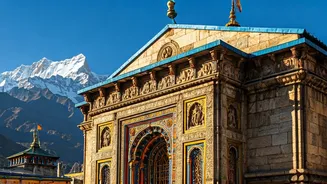
Badrinath and Kedarnath, two of the most significant temples in the Indian Himalayas, hold immense spiritual importance for Hindus. Badrinath, dedicated
to Lord Vishnu, and Kedarnath, dedicated to Lord Shiva, are integral parts of the Char Dham Yatra, a pilgrimage circuit that draws countless devotees annually. These temples are not just places of worship; they are repositories of ancient traditions, architectural marvels, and cultural heritage, reflecting centuries of devotion and craftsmanship. The sanctity of these locations is deeply intertwined with the religious beliefs and practices of Hindus, influencing every aspect of temple life, from rituals and ceremonies to the overall atmosphere. Maintaining the purity and sanctity of the temples, as perceived through the lens of faith, is a key concern for many devotees and temple authorities, serving as the basis for some viewpoints on entry restrictions.
The Restriction Debate Unfolds
The proposition to limit access to these temples for non-Hindus has ignited extensive discussion. Proponents of the ban, including some temple committees and religious groups, cite the need to protect the temples' sanctity and adhere to traditional practices. They argue that maintaining the exclusive nature of these spaces is crucial for preserving their spiritual environment. Conversely, opponents of the restriction raise concerns regarding inclusivity and the potential impact on tourism. They highlight the diverse backgrounds of visitors and the historical openness of these sites to all, emphasizing the significance of religious tolerance and universal access. Discussions often delve into the practicalities of implementation, the definition of 'non-Hindu,' and the methods for enforcement, all of which contribute to the complexity of the debate.
Stakeholders and Their Views
The perspectives on the potential entry ban are varied and originate from numerous stakeholders. Devotees, who regard the temples as sacred, express a range of opinions, including support for the ban to preserve religious purity. Temple authorities, who manage the day-to-day operations and upkeep of these sites, are often tasked with balancing religious traditions with practical considerations and visitor management. Local communities, which rely on tourism for economic sustenance, may harbor varied concerns about the impact of the ban on their livelihoods. Government bodies, responsible for safeguarding religious sites and facilitating tourism, have to mediate between different interest groups and formulate strategies that respect religious sensitivities and promote inclusivity. The media, acting as a crucial information channel, plays an essential role in disseminating perspectives and shaping public perceptions of this contentious issue, influencing the debate's course.
Impact on Pilgrimage and Tourism
The potential enforcement of entry restrictions at Badrinath and Kedarnath could trigger significant transformations in pilgrimage and tourism dynamics. Limiting access to the temples may affect the number of visitors, potentially impacting local economies that depend on tourism-related businesses. Reduced foot traffic could affect local businesses such as hotels, shops, and transport services. On the other hand, the enforcement of these restrictions might enhance the pilgrimage experience for devotees who are keen to maintain a pure religious environment. This might encourage more dedicated devotees to visit. Moreover, the decision could have broader implications for religious tolerance and the management of India's numerous places of worship. The overall impact will depend on the implementation of these regulations and how various parties adapt to the shifting circumstances.
Historical Context and Traditions
Understanding the historical context and traditions of Badrinath and Kedarnath is vital in assessing the proposal to restrict entry. Both temples have long histories, undergoing renovations and evolving over centuries. Examining historical records, religious texts, and community practices can offer perspectives on prior access rules and practices. Some historical accounts suggest varying degrees of openness to different groups, while others highlight the significance of adhering to religious norms and customs. Understanding the evolution of these sites, including the roles of royal families, religious leaders, and local communities, can offer crucial insights into the historical practices surrounding temple access. It helps to contextualize current discussions and provides an informed basis for evaluating the merits of the suggested entry restrictions.
Balancing Religious Values
The central challenge of this debate lies in reconciling the protection of religious values with the principles of inclusivity and universal access. Proponents of the ban emphasize the need to protect the temples' spiritual environment, while opponents highlight the importance of religious freedom and tolerance. This balance requires careful consideration of various factors, including the rights of religious communities, the protection of cultural heritage, and the economic well-being of local communities. Solutions might entail formulating clear guidelines, engaging with stakeholders, and implementing measures that respect religious sentiments while promoting inclusivity. Achieving this balance needs thoughtful dialogue and a commitment from all involved to find a way forward that upholds both religious and social values.