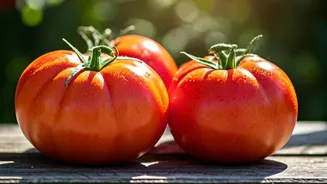




Sunlight: The Essential Ingredient
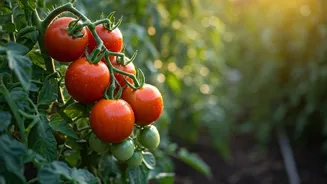
Tomato plants are sun-worshippers, requiring a minimum of six to eight hours of direct sunshine each day to truly flourish. This intense light exposure
is not merely for show; it's fundamental to their survival and productivity. Direct sunlight fuels the crucial process of photosynthesis, which is how these plants transform light into the energy they need to develop robust root systems, strong, upright stems, and, most importantly, delicious, antioxidant-rich fruit. Without adequate sun, tomatoes can become weak, leggy, and their fruit may lack the vibrant flavor and nutritional density that gardeners desire. Therefore, understanding and providing the correct amount of light is a cornerstone of successful tomato cultivation, impacting everything from plant structure to the final taste of the harvest.
Direct Sun vs. Shade
For optimal growth and fruit production, the consensus among gardening experts is that tomatoes unequivocally need direct sunlight. This means a spot in your garden where the sun's rays can reach the plants unfiltered for the majority of the day. While some very specific varieties, like certain cherry tomatoes or the Mama Leone type, might tolerate a bit of dappled shade, it's generally not recommended for most. The intense UV spectrum found in direct sunlight plays a vital role in synchronizing the ripening process, balancing sugar content, and enhancing the development of those beneficial antioxidants that contribute to both flavor and health. Providing this direct exposure ensures the plants receive the full spectrum of light necessary for all these critical functions, leading to healthier plants and superior fruit quality.
Maximizing Light Exposure
Even in a sunny location, dense tomato plants can create their own shade, hindering light from reaching all parts of the plant. This is where strategic pruning becomes indispensable. By carefully removing excess foliage, especially branches that are overcrowded, touching the ground, or showing signs of browning, you can significantly improve airflow and allow sunlight to penetrate more effectively. This not only ensures that all developing fruits and leaves receive adequate light but also helps prevent fungal diseases by reducing humidity. Supporting your plants with stakes or cages also aids in this process, keeping the foliage elevated and open to the sun's rays. These simple yet effective practices ensure that every part of your tomato plant benefits from the essential sunlight it needs.
Nutritional & Environmental Needs
Beyond sunlight, tomato plants have other significant needs for a successful harvest. They are known as 'heavy feeders,' meaning they require ample nutrients and consistent watering, particularly when they are flowering and producing fruit. If outdoor space or sufficient sunlight is a challenge, consider utilizing grow lights. These artificial light sources can provide the necessary spectrum for photosynthesis and can even allow for year-round cultivation indoors. To further promote plant health and reduce the risk of diseases, always water your tomato plants at the base of the stem, avoiding overhead watering which can promote fungal growth on the leaves. Regular inspection for and removal of rubbing branches or discolored leaves also contributes to overall plant vitality and healthy air circulation.