





The Danger of Restriction
Many believe that severe calorie cutting is the fast track to weight loss, but Australian fitness coach Hannah Button challenges this notion. Reflecting
on her own past as a professional athlete, she found that years of extreme dietary measures—like drastically reducing calories or carbs—led to detrimental effects. Instead of achieving desired results, this approach resulted in muscle loss, hormonal imbalances, depleted energy, and an overall worse physical state. Hannah emphasizes that such methods are not only ineffective but actively harmful, pushing the body into a detrimental survival mode where metabolism slows to conserve energy, fat is retained, and muscle mass is sacrificed, often leaving individuals frustrated and blaming themselves for the failure of an inherently flawed strategy. The scale stubbornly refusing to budge becomes a common outcome of these harsh diets.
Fueling Your Metabolism
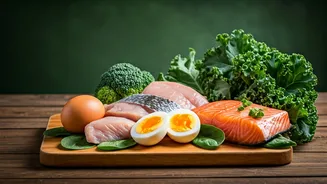
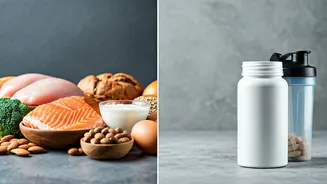
Hannah Button champions a proactive approach to weight management centered around strategic eating and muscle building. She highlights the crucial role of protein, recommending an intake of 0.7 to 1 gram per pound of body weight daily. This high protein consumption aids in preserving lean muscle mass during a calorie deficit, a vital component for fat loss. Moreover, protein requires more energy to digest than other macronutrients, contributing to a higher overall calorie expenditure. She points out that many people consume significantly less protein than they actually need. Furthermore, the coach stresses that aggressive calorie restriction triggers a 'starvation response,' elevating cortisol levels and promoting fat storage. Instead of drastic dieting, she advocates for a moderate calorie deficit of approximately 300–400 calories, which supports more sustainable and healthier weight loss through balanced nutrition rather than punitive measures.
Building Muscle for Fat Loss
The significance of strength training and muscle development in enhancing metabolic rate is a cornerstone of Hannah's philosophy. She explains that the more muscle mass an individual possesses, the higher their resting metabolism becomes, meaning the body burns more calories even when inactive. Conversely, prolonged periods of insufficient caloric intake can lead to the breakdown of muscle tissue, slowing down metabolism and making fat loss an even more arduous process. Hannah also addresses the hormonal repercussions of chronic undereating, particularly concerning individuals over 40. Elevated cortisol can encourage the body to store more fat, while suppressed leptin, the hormone that signals satiety, can lead to persistent hunger and an increased likelihood of binge eating episodes. This underscores the importance of a well-fueled body for effective and sustained fat loss.
Optimizing Your Plate
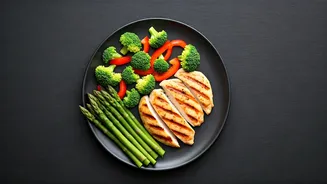
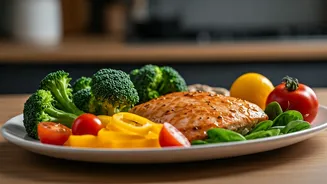
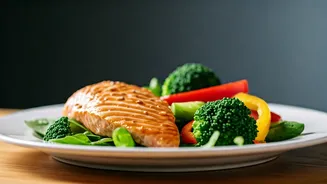
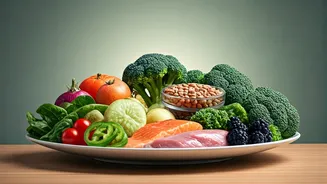
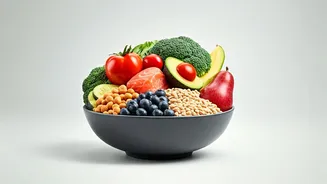
Shifting the focus from restriction to nourishment, Hannah Button advocates for building meals around nutrient-dense whole foods. Her dietary recommendations include lean protein sources such as chicken, fish, eggs, and Greek yogurt, complemented by an abundance of vegetables to add volume and fiber without excessive calories. She also suggests strategically incorporating complex carbohydrates, especially around workout times, and consuming healthy fats in moderation. By adopting this approach, Hannah experienced a dramatic shift in her own results. She successfully reduced stubborn body fat, enhanced her strength, and regained lost energy and performance. Astonishingly, she now consumes more food than during her leanest phase and feels significantly healthier and stronger, debunking the myth that less food equals better results. She contends that the outdated '1,200-calorie model' is ill-suited for active individuals, advocating for a nutrition framework that prioritizes performance, nourishment, and sustainability over punishment.