

Simple Steps to Creation
Crafting this delightful pudding is remarkably straightforward, requiring minimal effort for maximum refreshment. Begin by ensuring your sunflower seeds
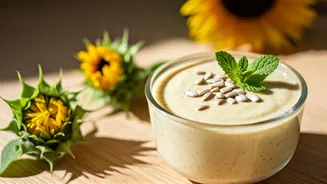
have been properly soaked, which softens them for blending and aids digestion. After draining, place the seeds into a blender and add your chosen milk. Blend these ingredients together until the mixture achieves a perfectly smooth and creamy consistency, free from any grittiness. Next, introduce your natural sweetener, such as dates or honey, along with vanilla extract, and blend again to ensure these flavors are evenly distributed throughout. Taste and adjust the sweetness to your personal preference. Finally, pour the blended mixture into individual serving bowls or glasses. Refrigerate for a minimum of one to two hours to allow the pudding to set slightly, transforming into a thicker, more satisfying texture ready to be enjoyed as a cooling summer dessert.
Mastering Texture and Flavor
Achieving the perfect texture and taste in your sunflower seed pudding relies on a few key techniques. Proper soaking of the sunflower seeds is paramount; this step not only softens them for a smoother blend but also enhances their digestibility. When blending, take your time to ensure the mixture becomes completely smooth and creamy, avoiding any grainy remnants for a truly luxurious mouthfeel. The amount of liquid you use directly impacts the pudding's consistency: adding more milk results in a lighter, softer dessert, while reducing the liquid yields a thicker, richer texture. Be mindful when selecting and adding your natural sweeteners, like dates or honey, as they provide a gentle sweetness that shouldn't overpower the subtle nutty flavor of the seeds. Always chill the pudding thoroughly before serving, as refrigeration is crucial for it to set and develop its ideal texture, maximizing its refreshing quality for a summer treat. Consider adding subtle flavor enhancers like cardamom or a touch of cocoa powder to introduce delightful variations without adding significant calories.
Nutritional Goodness Unveiled
This sunflower seed pudding offers a surprisingly balanced nutritional profile, making it an excellent choice for a light yet satisfying dessert. It provides a good combination of healthy fats and plant-based protein, essential for sustained energy. Sunflower seeds themselves are a rich source of vitamin E, an important antioxidant. When combined with milk or plant-based alternatives, the pudding gains additional nutrients like calcium, contributing to its wholesome nature. Each serving, typically around 120-150 calories, contains approximately 5 grams of protein, 12 grams of carbohydrates, and 8 grams of fat, with about 2 grams of fiber. The natural sweeteners used, such as dates or honey, offer a gentler form of sweetness compared to refined sugars and also contribute trace nutrients. This makes the pudding a nourishing option that supports overall well-being while satisfying a sweet craving.
Ingredient Contributions Detailed
Every component in this simple sunflower seed pudding plays a vital role in its overall appeal and nutritional value. The star ingredient, sunflower seeds, are a powerhouse of nutrients, delivering healthy monounsaturated and polyunsaturated fats, along with valuable plant protein and a significant amount of vitamin E, known for its antioxidant properties. The liquid base, whether it's regular milk or a plant-based alternative like almond, soy, or oat milk, not only helps achieve the desired creamy consistency but also contributes essential nutrients such as calcium. Natural sweeteners, such as dates or honey, are carefully chosen to provide a pleasant sweetness without the downsides of refined sugars; they also add a subtle depth of flavor and a small boost of energy-providing carbohydrates and minerals. Finally, a touch of vanilla extract, though optional, acts as a flavor enhancer, subtly complementing the nutty notes of the seeds and rounding out the dessert's taste profile beautifully.
Pudding Comparisons Explored
Sunflower seed pudding carves its own niche when compared to other popular healthy desserts. Unlike chia pudding, which develops a gel-like, sometimes slightly grainy texture, sunflower seed pudding offers a uniformly smooth and creamy consistency. It’s distinct from Greek yogurt pudding, which is dairy-based and typically thicker, leveraging the protein and tang of yogurt. Furthermore, it differentiates itself from avocado chocolate mousse, known for its rich and dense texture derived from avocado fats, which can make it higher in calories. Sunflower seed pudding stands out for its naturally light feel, achieved without heavy ingredients. Its preparation requires no cooking, similar to chia pudding and avocado mousse, but its unique creamy texture and mild nutty flavor make it a standout choice for a refreshing, low-calorie summer dessert.