







The Viral Water Gun
In the vibrant culinary landscape of Mumbai, a street food vendor has captured nationwide attention, not just for his delicious pani puri, but for his exceptionally
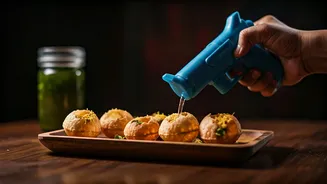
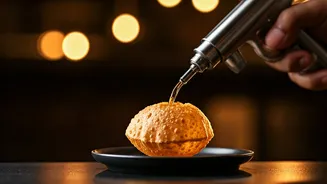
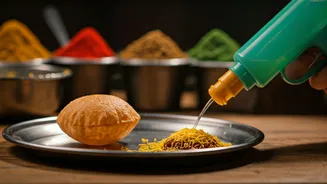
unique serving style. Moving away from the conventional ladle, this enterprising individual has adopted a water gun to precisely fill each crisp puri with the signature tangy tamarind water. The sight of him skillfully wielding the modified water gun, dispensing the flavorful liquid into the hollow spheres with remarkable accuracy, has become a viral sensation. Videos documenting this unconventional method have spread rapidly across social media platforms, delighting many onlookers and generating widespread curiosity about this modern twist on a beloved classic snack. The visual appeal of the process itself, combined with the element of surprise, has undeniably contributed to its immense popularity online, making it a topic of conversation far beyond the usual circles of street food enthusiasts.
Hygiene vs. Innovation
The vendor's innovative pani puri serving method, while visually engaging, has predictably ignited a lively debate, particularly concerning hygiene standards in street food preparation. While some social media users and observers have applauded the vendor's clever adaptation and forward-thinking approach, others have voiced significant concerns regarding the potential health implications. Questions have been raised about the cleanliness of the water gun and whether its use aligns with established food safety protocols. However, the vendor himself has stepped forward to defend his practice, asserting that this method actually enhances hygiene by minimizing direct contact with the puri and the water. He posits that a ladle, which is frequently handled by different individuals, poses a greater risk of contamination compared to the controlled dispensing mechanism of a water gun. This defense highlights a fascinating tension between traditional methods and the pursuit of modern, potentially more hygienic, solutions in a dynamic street food environment, prompting a broader discussion about how such innovations are perceived and regulated.
A Culinary Conversation
The viral phenomenon of the Mumbai pani puri vendor employing a water gun has transcended mere internet amusement to become a focal point for a larger cultural and culinary discussion. This incident has effectively thrown a spotlight on the perennial dialogue between time-honored culinary traditions and the inevitable march of modernization. It prompts introspection on how street food, a deeply ingrained part of Indian culture, can evolve without losing its essence or compromising on safety. The differing viewpoints — from those who embrace the novelty and efficiency to those who champion traditional practices and express reservations about hygiene — reflect a diverse range of perspectives on food preparation and consumption. This debate underscores the importance of adaptation in a rapidly changing world, while simultaneously emphasizing the need for established standards and consumer trust. The story serves as a compelling case study on how innovation, even in the most humble of settings, can spark significant public discourse and re-evaluate long-held norms.