


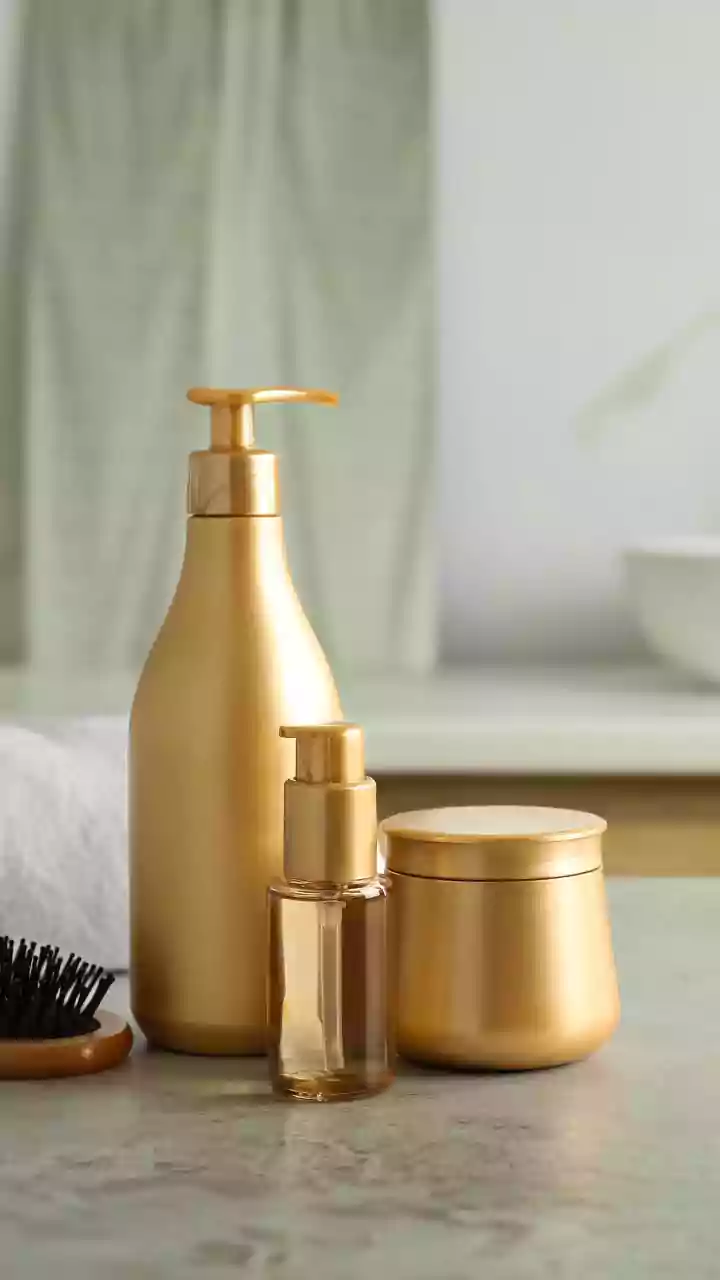
Color Care Essentials
Maintaining the brilliance of hair color is not the same as caring for natural strands. The integrity of your hair's outer layer, the cuticle, significantly
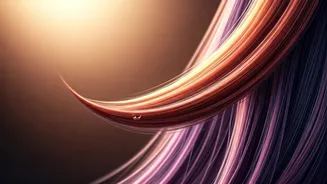
influences how light reflects, directly impacting the perceived richness and dimension of your shade. When the cuticle is smooth, light bounces uniformly, making the color appear more lustrous. Conversely, damage and dryness cause the cuticle to become rough, leading to scattered light reflection and a duller appearance, even if the pigment hasn't significantly faded. Therefore, a post-coloring regimen must prioritize smoothing the hair's surface and preserving its natural luminosity, as both pigment and light reflection contribute to a vivid hue.
Smart Washing Habits
The frequency and type of shampoo used for color-treated hair are critical. Regular shampoos, particularly those containing sulfates, can cause the hair shaft to swell, accelerating the release of color molecules. Opting for shampoos specifically formulated as 'color-safe' ensures a gentler cleansing action that helps preserve the dye's vibrancy for a longer duration. Reducing the number of washes per week is also a key strategy, as each shampooing session inherently loosens some of the color pigments. By washing less often, you allow the hair to retain more of its dyed shade between cleansings.
Deep Conditioning Power
Color-treated hair often experiences a loss of suppleness, particularly in the mid-lengths and ends, areas where dryness tends to accumulate most rapidly. Incorporating regular, intensive conditioning treatments is vital to combat this. Weekly application of hair masks enriched with ingredients like fatty alcohols, nourishing plant oils, or conditioning polymers can significantly improve the hair's texture. These formulations work to smooth the cuticle, restoring a silken feel and allowing strands to glide effortlessly against each other, preventing tangles and breakage.
Shielding from Heat & Sun
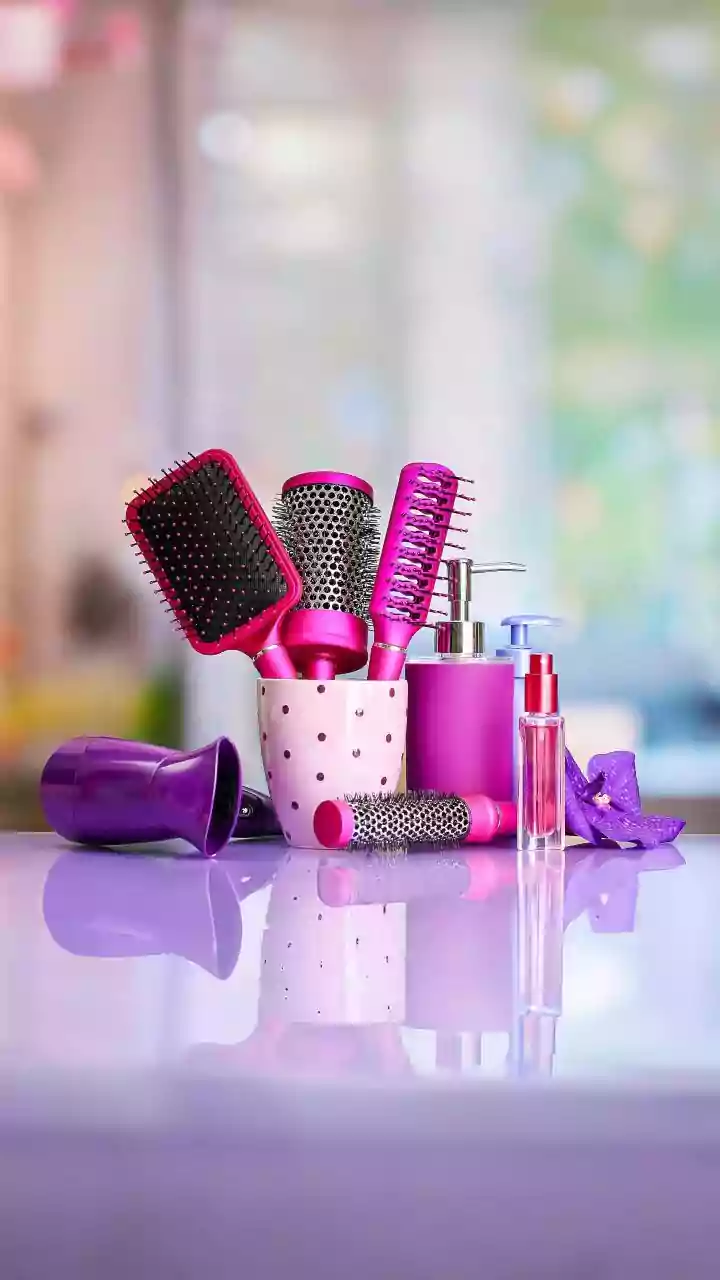
Styling tools that generate high heat, as well as prolonged exposure to ultraviolet radiation from the sun, pose significant threats to the longevity of hair color. These elements can degrade the chemical bonds responsible for holding the dye within the hair shaft, as well as damage natural melanin and oxidize proteins. To counteract these effects, it is essential to integrate heat-protectant products into your styling routine and use post-wash serums that contain UV filters. Furthermore, minimizing direct sun exposure during peak hours can provide an additional layer of protection against color degradation.
The Importance of Trims
Split ends, if left untreated, have a tendency to travel upwards along the hair shaft, progressively damaging the entire strand and diminishing the hair's overall sheen. Regular professional trims are crucial for preemptively removing these weakened sections before they can cause more extensive damage. By snipping off the frayed ends, you prevent the fraying from compromising the integrity of the hair further up, thereby helping to maintain a smoother surface that reflects light more effectively and keeps your color looking its best.
Combating Dryness Effectively
Dryness in color-treated hair typically manifests from the mid-lengths down to the ends, where the hair is older and natural scalp oils struggle to reach, leaving strands unlubricated. Chemical processing exacerbates this issue by impairing the natural distribution of oils. To effectively address this dryness, it's important to restore lubrication along the hair shaft, enabling it to better absorb and retain moisture. Ingredients such as argan oil, coconut oil, and shea butter create a coating on the hair surface, preventing friction between strands. Spacing out washes also aids in this process by allowing scalp oils to gradually distribute, mitigating the brittle feel that can follow coloring.
Environmental Color Killers
External environmental factors can significantly contribute to the dulling and degradation of hair color, often before obvious fading occurs. Hard water, laden with minerals like calcium and magnesium, can build up on the hair shaft, causing shades, especially blondes, to appear brassy or muted. Periodic clarifying treatments can help remove this mineral deposit. For those who exercise frequently, chlorinated pools can react with dyes, altering lighter shades or causing dryness, while sweat and salt buildup at the scalp can necessitate more frequent washing, accelerating color loss. Additionally, tight hairstyles and rough detangling or brushing create mechanical stress, roughening the hair surface and reducing its glossiness.
Prevention Over Reaction
The distinction between protection and prevention is key for color-treated hair. Protection often involves addressing damage once it has begun, such as attempting to restore vibrancy after fading has set in. Prevention, however, focuses on establishing consistent habits that maintain the hair's health from the outset, thereby averting color deterioration. By adopting practices that keep your hair robust and resilient, you minimize the need for corrective measures, which ultimately leads to longer-lasting, vibrant color.