



Spring's Gentle Arrival
As the crisp air of Uttarakhand begins to soften, a delightful tradition unfolds across its hilly landscapes. The festival of Phool Dei marks the auspicious
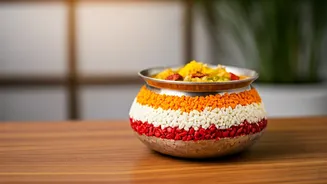
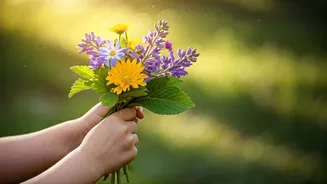
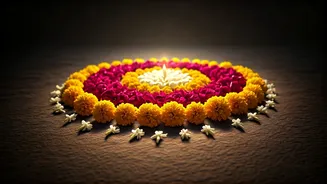
start of Chaitra, heralding the arrival of spring with a charming ritual. Before the sun's full warmth embraces the region, village pathways echo with the joyful sounds of children. Young girls, adorned and eager, embark on a unique mission, transforming into emissaries of the season's renewal. They are the heart of Phool Dei, carrying baskets laden with nature's treasures – an array of vibrant flowers, essential rice, sweet jaggery, and auspicious coconut. This practice signifies more than just a seasonal shift; it embodies a deeply rooted cultural expression of hope and well-being for the coming year, as they move from one home to another, bringing blessings.
Songs of Abundance
The core of Phool Dei lies in the melodic folk songs sung by the young girls as they visit each household. Their voices, carrying the essence of tradition, fill the air with ancient tunes. A typical refrain, "Phool Dei, Chhamma Dei, Deni Dwar, Bhar Bhakar...", translates into heartfelt wishes for prosperity, happiness, and a bountiful year ahead for every family. This lyrical exchange is not merely a performance; it’s a sacred invocation for good fortune. In return for their floral offerings and beautiful songs, the families extend their warmth by gifting the children sweets and small tokens of appreciation. This reciprocal gesture creates a beautiful, tangible connection, a sweet exchange of goodwill and shared delight that solidifies the festival’s spirit of communal harmony and generosity, making each visit a moment of shared joy and thankfulness.
Childhood Unites Villages
Phool Dei transcends its role as a spring celebration, acting as a powerful catalyst for community bonding. The festival elegantly showcases how the innocence and enthusiasm of childhood can carry the profound weight of ancestral customs, forging invisible yet strong connections across generations. Every single petal meticulously placed upon a threshold symbolizes a fresh wave of optimism and hope. Simultaneously, each sung melody acts as a bridge, linking grandparents, parents, and children in an unbroken chain of cultural continuity. This intimate connection underscores the fundamental rhythm of rural existence, where the natural world and human society are intrinsically interwoven. It serves as a poignant reminder of nature’s generosity, the profound joy found in togetherness, and the simple, yet immense, power inherent in the act of giving and receiving.
Living Stories of Hope
In the heart of Uttarakhand's hills, the arrival of spring is experienced not just as a calendrical event but as an deeply personal and intimate occasion. Phool Dei beautifully illustrates that festivals are far more than mere dates on a calendar; they are vibrant, living narratives passed down through time. These traditions are actively carried forward by the younger generation, their efforts blossoming like the very flowers they scatter. The festival serves to bind communities together with invisible yet resilient threads of hope, gratitude, and mutual respect. In a world that is constantly changing, this cherished ritual preserves a precious space where the pace of life naturally slows, where genuine laughter resonates, and where ancient traditions continue to flourish and grow stronger with each passing year, embodying the enduring spirit of the region.