





A Minimalist Haven
Emraan Hashmi and his wife, Parveen Shahani Hashmi, reside in a Rs 16 crore apartment located in the prime Bandra neighborhood of Mumbai. This thoughtfully
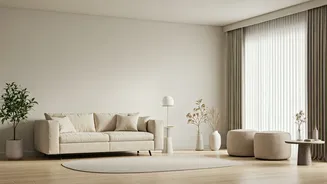
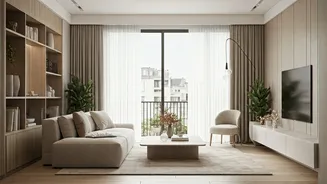
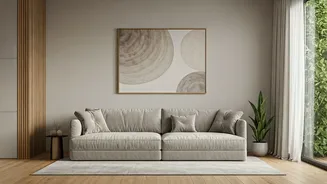
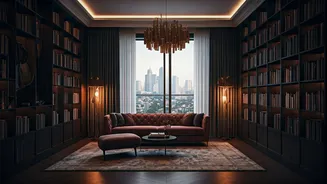
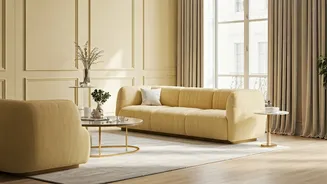
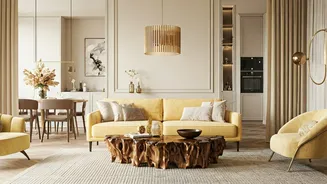
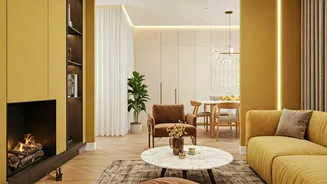
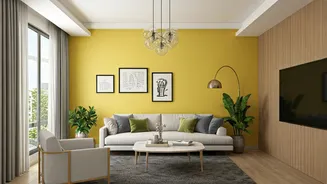
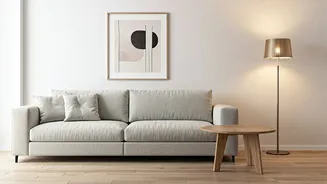
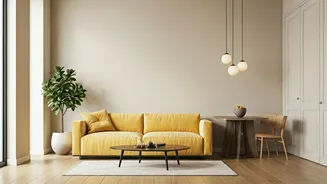
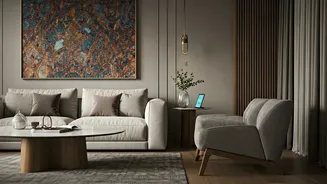
designed residence embodies a minimalist philosophy, prioritizing a serene atmosphere through its interior choices. The color scheme predominantly features a calming palette of whites, beige, and earthy browns, creating a tranquil backdrop for daily life. Furnishings are characterized by their modern, comfortable wooden designs, complemented by curated accent pieces and elegant chandeliers that enhance the space without causing visual clutter. Beyond its aesthetic appeal, the apartment is equipped with functional spaces, including a dedicated area for physical workouts and an extensive library, signifying a holistic approach to living that balances health and intellectual pursuits. A generous balcony offers expansive views of the city, promoting a feeling of openness and connection to the urban environment, all contributing to a home that is both luxurious and deeply attuned to comfort, routine, and personal interests.
Psychology of Neutral Tones
The choice of neutral color palettes, such as white, beige, and brown, in Emraan Hashmi's home is more than just a stylistic preference; it plays a significant role in shaping the occupants' mental state. According to psychotherapist Sonal Khangarot, these tones cultivate a psychologically grounding and regulating environment. From a cognitive standpoint, their low visual complexity reduces the brain's sensory processing load, allowing the nervous system to settle into a less stimulated state. Whites and off-whites, in particular, are associated with feelings of openness and mental clarity, creating a sense of spaciousness, though it's important to balance them to avoid a sterile feel. Warm beige and browns, on the other hand, connect us to natural elements, fostering feelings of security, stability, and familiarity, which can effectively lower stress hormones like cortisol. From an environmental psychology perspective, these neutral backdrops enable individuals to imprint their personality onto the space without feeling overwhelmed, supporting emotional regulation, sharpening focus, and maintaining a consistent atmosphere conducive to overall well-being.
Open Spaces & Well-being
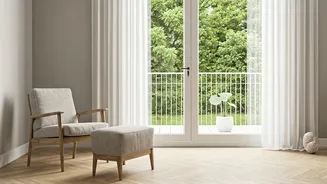
The presence of open spaces and natural views, exemplified by the spacious balcony in Emraan Hashmi's apartment, has a profound impact on mental health, especially within bustling urban settings. Khangarot highlights that such access provides a deeply regulating effect, counteracting the common sensory overload of city life. Environmental psychology suggests that exposure to nature, even passively, allows the brain to transition from demanding directed attention to a more effortless, restorative state, combating cognitive fatigue and improving concentration over time. Visually open areas also create an illusion of greater space, alleviating feelings of confinement that can arise in dense urban environments. Furthermore, natural light and greenery are known to boost mood by regulating circadian rhythms and increasing serotonin levels. On a physiological level, even indirect interaction with nature can reduce heart rate and cortisol, promoting a sense of calm. Consistent access to these elements offers crucial micro-moments of escape and grounding, enhancing emotional resilience and overall well-being amidst a fast-paced lifestyle.