



Baby Skin's Unique Needs
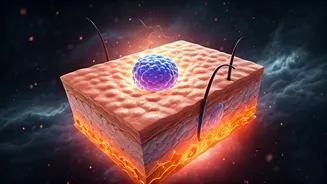
Baby skin, being significantly thinner and more prone to moisture loss than adult skin, requires specialized attention. This delicate structure loses moisture up
to twice as fast, rendering it more susceptible to dryness, redness, and discomfort from even minor environmental shifts like temperature changes or exposure to harsh products. During the first year, the skin barrier is still maturing, making it less efficient at its protective functions. The outermost layer, the stratum corneum, has fewer natural lipids and moisture factors, leading to increased sensitivity to soaps and a slower recovery from irritation. Understanding the skin's pH is also vital; a healthy baby's skin maintains a slightly acidic pH, forming a protective acid mantle. This mantle is key to warding off harmful bacteria, supporting beneficial skin microflora, and preventing excessive water loss. Disruptions to this balance can weaken the skin barrier, escalating transepidermal water loss (TEWL) and paving the way for dryness and irritation. Establishing a robust skin barrier early on is paramount, as recommended by pediatric associations, for preventing common issues like eczema and diaper rash.
Rising Sensitivity in India
Recent observations in India highlight a concerning rise in sensitive skin conditions among infants and young children. Reports from authoritative pediatric bodies indicate an upward trend in cases of atopic dermatitis and other forms of skin sensitivity. This escalating issue is attributed to a confluence of factors, including the environmental challenges posed by urban pollution, fluctuating humidity levels characteristic of the region, and potentially overzealous cleansing practices or the use of products with harsh ingredients. These elements collectively can exacerbate the fragility of a baby's developing skin. Consequently, there is a growing need for parents and caregivers to be well-informed about the specific vulnerabilities of infant skin and the impact of their choices on skin health, particularly concerning bath time rituals and the products used.
The Gentle Cleansing Approach
In the context of India's climate, effective yet gentle cleansing is fundamental for managing a baby's sensitive skin. It's crucial to select cleansers that are not only mild but also pH-balanced and have undergone dermatological testing. Such products are designed to protect the skin's natural barrier while still effectively removing impurities. An ideal cleanser for infants should be soap-free, minimizing the risk of stripping natural oils, and either fragrance-free or very lightly scented to avoid potential irritation. It must also be formulated to be non-irritating to both the skin and the eyes. For babies diagnosed with sensitive skin conditions like atopic dermatitis, eczema, ichthyosis, or psoriasis, specialized cleansing bars or liquid cleansers that are soap-free are particularly recommended. These options are formulated to preserve the integrity of the skin barrier and reduce inflammatory responses, providing a much-needed soothing effect.
Beneficial Ingredients & Formulations
Certain ingredients offer exceptional benefits for delicate baby skin during cleansing. Colloidal oatmeal, for instance, is widely recognized for its therapeutic properties, acting as a skin protectant with significant soothing and anti-inflammatory effects. Its natural components, such as beta-glucans and avenanthramides, are effective in alleviating itchiness, calming irritation, and reinforcing the skin's natural defenses. In India, the recommendation from dermatologists and pediatricians increasingly leans towards soap-free cleansing bars for infants with easily irritated or sensitive skin. These formulations typically avoid sulfates and maintain a pH close to 5.5, utilizing gentle surfactants derived from natural sources like coconut or corn. Research indicates that these specialized cleansers effectively cleanse without compromising skin hydration or barrier function, a stark contrast to traditional alkaline soaps that can disrupt the skin's crucial acid mantle. Publications like Indian Pediatrics also endorse the use of non-alkaline, pH-balanced cleansers to restore microbiome balance and support barrier repair.
Essential Parent Guidance
Parents can significantly impact their baby's skin health through informed choices during bath time and beyond. It's vital to steer clear of alkaline soaps, as their high pH can strip the skin's natural protective layer, leading to dryness and irritation. Opting for pH-balanced cleansers, ideally around the 5.5 mark, helps maintain skin moisture and supports optimal skin function. Furthermore, choosing sulfate-free formulations is recommended, as sulfates can be overly harsh for a baby's developing skin, potentially causing dryness. Look for cleansers containing barrier-supporting ingredients like colloidal oatmeal, glycerin, or shea butter, which actively soothe and hydrate the skin. Keep bath times concise, ideally under 10 minutes, using lukewarm water to prevent stripping natural oils. Critically, always moisturize the baby's skin immediately after bathing to effectively lock in hydration and reinforce the skin barrier, ensuring soft, comfortable, and resilient skin.