






Beyond the Shine
Buying a diamond, whether for a special occasion or a personal treat, can be daunting, often accompanied by the nagging doubt of its authenticity. This
apprehension isn't unfounded, as convincingly crafted fake diamonds and simulants are more prevalent than many realize. While some fakes are easily detectable, others possess a deceptive quality that can fool even astute buyers initially. Fortunately, you don't need professional gemological expertise or specialized equipment to discern most fakes. A few straightforward, accessible checks can provide significant clarity, demystifying the process of evaluating a diamond's genuineness.
The Imposter Illusion
It's crucial to understand that not every sparkling stone is a genuine diamond. Many attractive gemstones share a visual resemblance, including cubic zirconia, moissanite, and even plain glass in less expensive pieces. Under bright shop lights, particularly when set in polished rings or pendants, these can appear remarkably similar to diamonds. However, diamonds possess unique properties in how they interact with light, heat, and pressure, which are fundamental to differentiating them from their imitations. Recognizing these fundamental differences is the first step in confidently assessing a stone's true nature.
Quick Home Diagnostics
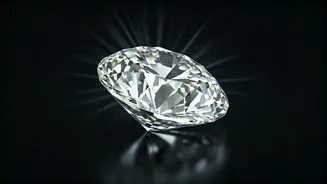
Several simple tests can offer initial insights into a diamond's authenticity. The 'fog test' involves breathing on the stone; a real diamond disperses heat rapidly and should clear almost instantly, whereas a fake will retain fog for several seconds. While not a definitive lab-grade assessment, it’s a useful quick preliminary check. Additionally, observe the stone's sparkle. Authentic diamonds exhibit brilliant white flashes and subtle rainbow reflections, but an excessive, disco-ball-like display often points to imitations like cubic zirconia, which tend to be more flamboyant. A real diamond's sparkle is more balanced and natural. The 'water test' is another simple yet informative method: drop the stone into a glass of water. A genuine diamond, being dense, will sink rapidly, while many fakes tend to float or sink more slowly.
Setting and Subtle Clues
Don't overlook the jewelry's mounting when evaluating a potential diamond. If a 'diamond' is presented in a setting made of cheap metal, it should raise a significant red flag. Genuine diamonds are typically set in precious metals such as gold, platinum, or high-quality, certified silver. Examine the craftsmanship of the setting itself; look for neat, well-finished edges rather than rough or uneven ones. The overall weight and feel of the piece can also be indicative; flimsy or overly light jewelry might suggest the stone isn't a high-value diamond. The setting can often provide as many clues as the stone itself.
Visual and Flaw Checks
Two more accessible tests involve visual inspection. The 'dot test' requires placing the stone over a piece of paper with a small black dot and attempting to view the dot through the stone. If the dot is clearly visible, the stone is likely not a diamond, as real diamonds refract light so intensely that they obscure such a clear view. Another inspection point is looking for internal air bubbles. Using a magnifying glass, examine the stone's interior. Real diamonds, formed under immense pressure, do not contain air bubbles; their natural imperfections are typically small internal flaws. The presence of tiny bubbles strongly suggests a glass or synthetic material. It's also worth noting that while real diamonds may have inclusions, perfectly flawless stones offered at suspiciously low prices should be approached with caution.
Verification and Professional Input
The most reliable method to ensure authenticity is always to request certification from reputable gemological laboratories like GIA or IGI. These certificates provide detailed information on the diamond's cut, clarity, color, and carat weight, serving as definitive proof of its identity. If no such documentation is provided, exercising extreme caution is advised. When in doubt, consulting a professional jeweler is the best course of action. They possess specialized tools, such as diamond testers, magnification lenses, and light refraction devices, that can quickly and accurately verify a stone's authenticity, potentially saving you from a costly error.