





Lead by Example
Children are keen observers, mirroring the eating habits they witness around them. When parents enthusiastically partake in eating vegetables, it signals
to children that these foods are not only acceptable but also enjoyable, normalizing them in the child's perception. Conversely, a parent's avoidance of vegetables inadvertently teaches the child to steer clear of them as well. Embracing family-style meals, where children have the autonomy to serve themselves from shared dishes, can also foster a more positive interaction with food. Research consistently highlights the efficacy of repeated exposure combined with parental influence as powerful tools for boosting vegetable consumption. Even casual, positive discussions about vegetables, like mentioning their natural sweetness, can pique a child's curiosity and reduce apprehension, associating them with pleasant family experiences.
Taste Bud Sensitivity
A significant reason for children's vegetable aversion lies in their heightened sensitivity to bitter tastes, a biological trait stemming from a greater number of taste buds compared to adults. Many vegetables, particularly leafy greens like broccoli and spinach, contain compounds that register as distinctly bitter to a child's more refined palate. Historically, this innate aversion served as a protective mechanism, helping young humans avoid potentially poisonous plants. In modern times, however, this evolutionary advantage can translate into an unnecessary rejection of nutritious foods. The key to overcoming this hurdle involves a patient and consistent approach to introducing new vegetables. Scientific studies suggest that it may take anywhere from 10 to 15 exposures to a new vegetable before a child begins to accept it, emphasizing the importance of persistence.
Make Veggies Fun
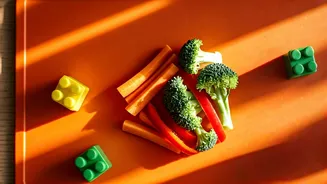
To transform a child's negative perception of vegetables into a positive one, making them visually appealing is paramount. Incorporating vibrant colors, engaging shapes, or creative designs can significantly shift a child's attitude towards healthy eating. Think beyond plain servings; vegetable sticks arranged as a smiley face, or DIY wrap stations where children can assemble their own creations, can make vegetables far more desirable. These interactive elements tap into a child's natural curiosity and their strong desire for control, which are powerful motivators, especially for toddlers and younger children. Furthermore, engaging children in activities like tending to a home garden or an herb patch can foster a sense of ownership and connection, making them more inclined to sample what they've helped grow. When vegetables are presented as an avenue for exploration and play, rather than a chore, resistance naturally diminishes.
Navigating Neophobia
Between the ages of two and six, many children naturally experience food neophobia, a pronounced fear of trying new foods. Vegetables, often less sweet and less familiar than other food groups, tend to be the primary targets of this rejection. It's crucial to understand that this phase is a normal developmental stage and typically resolves with time. However, pressuring a child to eat unfamiliar foods or resorting to hiding vegetables without addressing the underlying fear can inadvertently exacerbate the problem. Engaging children in the entire process, from selecting vegetables at the store to washing and arranging them, can build their comfort and spark interest. Simply having vegetables visible on their plate without undue emphasis can also help to gradually desensitize them and alleviate anxieties. When children feel secure and empowered, their natural curiosity often triumphs over fear, paving the way for greater acceptance.
Texture and Portion Control
Beyond taste, the texture of vegetables can be a significant barrier for many children. The sensation of soft-cooked vegetables, crunchy stems, or varied textures in the mouth can be off-putting and unpredictable, sometimes leading to gagging and outright refusal. Children are highly attuned to textural differences. Offering vegetables in various forms—raw, roasted, grated, or pureed—allows children to explore and identify textures they find more palatable. For instance, a child might enjoy crunchy raw carrots but dislike them when cooked soft. Accommodating these preferences helps build trust rather than breaking it. Once a preferred texture is identified, children are often more open to trying other vegetables that share similar textural qualities, gradually expanding their acceptance over time. Additionally, overwhelming children with large portions can be counterproductive, leading to immediate dismissal. Presenting small portions, even just a single bite, reduces resistance and shifts the focus from 'eating it all' to simply 'trying it.' Using minimal pressure, such as casual introductions like 'You don't have to eat it,' paradoxically increases the likelihood of them taking a bite. Each stress-free interaction helps children become more comfortable with vegetables, fostering a more willing approach to eating them as they gain confidence and autonomy.