






Understanding Skin Cancer
Skin cancer is a prevalent form of cancer, affecting individuals worldwide. It commonly appears on areas exposed to the sun, such as the face, neck, arms,
and legs. The primary types include basal cell carcinoma, squamous cell carcinoma, and melanoma, with melanoma being the most aggressive and capable of spreading if not detected and treated early. The encouraging news is that early diagnosis significantly enhances treatment success. Therefore, regular self-examinations of the skin and immediate professional evaluation of any new or evolving blemishes are paramount for prompt identification and successful outcomes. Consulting a dermatologist for any concerning moles or skin lesions is a critical step in determining malignancy and initiating appropriate care.
Recognizing Warning Signs
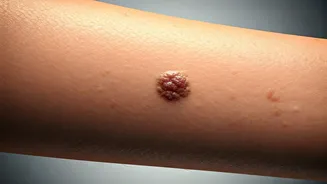
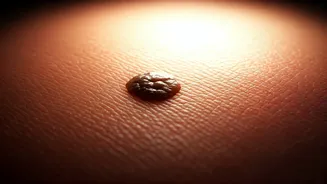
Despite general awareness of health, many still dismiss minor skin irregularities as insignificant, unaware that these can be indicators of skin cancer. A tiny, seemingly harmless spot can escalate into a serious health concern if not addressed promptly. Skin cancer often presents without pain in its initial stages, and its subtle changes can easily be overlooked or underestimated. Key indicators to monitor include any mark larger than a pencil eraser, uneven or jagged borders, the presence of multiple colors (brown, black, red, or white) within a single spot, and noticeable growth or size changes. Furthermore, any instance of itching, bleeding, or crusting on the skin should not be disregarded and warrants professional attention.
Beyond Sun Exposure
While ultraviolet (UV) radiation from the sun is a significant contributor to skin cancer development, other factors also play a crucial role in an individual's risk profile. Lifestyle choices, a compromised immune system, a family history of the disease, and environmental exposures can all increase susceptibility. It's also important to note that individuals with richer skin tones, who have more melanin, are not entirely protected. Often, they may face delayed diagnoses due to a lower clinical suspicion among healthcare providers and less widespread awareness regarding skin cancer manifestations in darker skin. Therefore, a comprehensive understanding of all contributing factors is essential for effective prevention and early detection.
Protective Measures
Implementing certain preventive strategies can significantly reduce the long-term risk of developing skin cancer. Prioritizing attire that shields you from intense heat, such as breathable cotton or muslin fabrics, is a practical step. Limiting direct exposure to the sun, particularly during the peak hours between 11 am and 4 pm, is crucial. Consistent application of sunscreen is recommended, even on days when you are indoors, as incidental UV exposure can still occur. Lastly, scheduling regular dermatological check-ups is a vital measure for ongoing skin health monitoring and early detection of any potential issues, ensuring proactive management of your skin's well-being.