






The Core Distinction
When considering hair removal techniques like shaving and waxing, a fundamental difference sets them apart, profoundly impacting the experience, especially
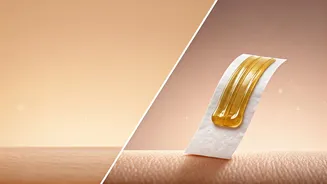
for those with delicate skin. Shaving operates by slicing the hair shaft at its surface, essentially cutting it off at skin level. In contrast, waxing involves adhering to the hair and then swiftly pulling it away, extracting the entire strand from the root. This distinction is crucial because it dictates the subsequent effects on the skin, including the duration of smoothness, the potential for irritation, and how the hair eventually regrows. Understanding this primary difference is the first step in making an informed decision about which method best suits your skin's unique needs and sensitivities, ensuring a more comfortable and effective hair removal process.
Waxing: Pros and Cons
Waxing offers a prolonged period of smoothness, often extending for as long as a month, and as hair eventually reemerces, it tends to be finer and softer than before. Beyond hair removal, this process also serves as a gentle exfoliant, sloughing away dead skin cells for a smoother feel. However, for individuals with sensitive skin, waxing can present significant challenges. Intense redness, unsightly rashes, and noticeable irritation are common aftereffects. There's also an elevated risk of experiencing ingrown hairs and inflamed follicles. Furthermore, if you are currently using topical acne treatments or retinoids, it is strongly advised to avoid waxing altogether, as these treatments can make your skin exceptionally fragile and prone to severe adverse reactions, potentially worsening existing skin conditions.
Shaving: Pros and Cons
Shaving typically results in a gentler interaction with the skin, as it bypasses the forceful pulling and tugging associated with waxing, thereby minimizing trauma. This method is convenient as it can be performed at any time, without the need to wait for significant hair growth, making it adaptable to spontaneous grooming needs. It is generally considered a safer choice for skin that is easily prone to irritation and allergic reactions. However, the results from shaving are usually short-lived, with noticeable regrowth often appearing within a week, or even as little as three to four days. Common drawbacks include razor burn, nicks, and bumps. Additionally, the hair may feel coarser as it grows back, a contrast to the finer regrowth often experienced with waxing. For those managing sensitive skin concerns, shaving is often considered the more prudent option due to its less aggressive nature and the greater control it affords the user.
The Verdict for Sensitive Skin
When faced with the challenge of sensitive or reactive skin, shaving often emerges as the preferred method because it avoids the inherent trauma of pulling hair directly from the follicle. Waxing, conversely, opens up the hair follicles, which in some circumstances can increase susceptibility to infections. Ultimately, the ideal hair removal technique is a highly personal choice, contingent upon your specific skin type, your individual pain threshold, and, crucially, how your skin reacts to each method. It is essential to consider these factors to determine the safest and most effective approach for achieving your desired smooth results without compromising your skin's health and comfort.