

The Core Concept
The prevailing notion in fashion often suggests a need for an extensive array of shoes to match every conceivable outfit and occasion. However, style authorities
propose a more streamlined approach, known as the '3-Pair Rule.' This principle isn't about limiting your ownership to precisely three pairs, but rather about establishing a framework to identify the shoes that genuinely serve a purpose in your regular rotation. It encourages a conscious selection of footwear that offers maximum utility, moving beyond accumulation driven by habit or fleeting trends. By focusing on versatility, this minimalist strategy aims to reduce consumption and waste, ensuring that the shoes you own are actively used and appreciated. It acknowledges that most individuals gravitate towards a select few favorites, making the rest redundant. The underlying philosophy champions quality and functionality over sheer quantity, leading to a more curated and manageable shoe wardrobe that enhances daily dressing efficiency.
Identifying Your Trio
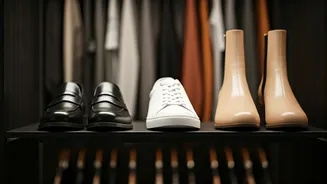
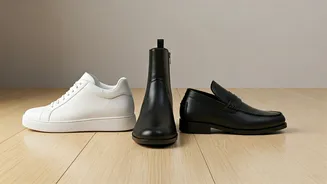
The foundation of the '3-Pair Rule' rests on selecting footwear that covers your most common daily needs with maximum versatility. The first essential is the 'Everyday Casual Shoe.' This is your go-to pair for daily errands, relaxed outings, and general comfort, often comprising trainers, well-maintained sneakers, or comfortable slip-ons. They should seamlessly integrate with casual attire like jeans or relaxed trousers, and prioritizing neutral colors such as white, black, or grey enhances their adaptability. Secondly, a 'Smart or Work-Appropriate Shoe' is crucial for professional environments, dinners, or occasions demanding a more polished look. This category could include loafers, classic pumps, or smart ankle boots. Comfort is paramount here, as these shoes must be suitable for extended wear without causing discomfort. The third and final category is the 'Activity or Lifestyle-Specific Shoe,' which is entirely personal. This slot is reserved for footwear directly supporting your hobbies or regular activities, such as running shoes for frequent athletes, hiking boots for outdoor enthusiasts, or even formal heels if you regularly attend such events. It's about aligning your shoe choices with your actual lifestyle, rather than aspirational activities.
Decluttering Without Pain
Once you've pinpointed your essential three pairs, the next logical step involves addressing the surplus footwear cluttering your closet. A practical strategy is conducting a 'Wear-Frequency Audit.' This involves examining each pair and honestly assessing when it was last worn. If a shoe hasn't been used in over six months, and there's no seasonal justification (like winter boots in summer), it's likely time to consider letting it go. Be realistic about 'special occasion' shoes; if formal events are rare and haven't occurred in years, those elaborate heels are likely occupying valuable space unnecessarily. Furthermore, re-evaluate 'Comfort and Support.' Persistent discomfort is a primary reason shoes remain unworn. If a pair causes pain, blisters, or foot aches, its aesthetic appeal or initial cost becomes irrelevant, as shoes you can't wear hold no practical value. Reviewing your 'Storage and Rotation' is also key; if shoes are hidden away in boxes or stacked out of sight, they won't be worn. The '3-Pair Rule' naturally mitigates this by making your core options visible and accessible. Finally, consider donating or reselling shoes in good condition to charity shops or resale platforms. Unwearable items should be recycled whenever possible to prevent them from ending up in landfills. This decluttering process is about embracing realism and ensuring shoes find owners who will actually use them, rather than remaining boxed up out of guilt.