
Metal in Bones?
The concept of infusing metal into bone, as seen in the Marvel series, presents significant biological and practical hurdles. The primary issue lies in the compatibility
of metal with organic matter. While certain species, such as leaf-cutter ants, demonstrate the use of metals like zinc and copper in their mandibles, injecting molten metal into a human body would be an incredibly dangerous and painful procedure. The fictional adamantium's properties of being both strong and lightweight are also impossible to replicate with current materials, making the creation of a similar skeleton a complete impossibility.
Healing Powers Unleashed
Regeneration capabilities in nature offer a glimpse into the possibility of enhanced human healing. Scientists are exploring self-healing through the study of creatures such as the three-banded panther worm. Researchers have identified the early growth response gene (EGR) as a potential 'master switch' responsible for activating the genes that facilitate healing in these worms. Though still in early stages, if we discover how to control our own EGR genes, humans could someday have remarkable regenerative abilities without the need for metal implants.
Metal Skeleton's Drawbacks
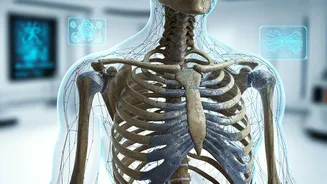
Even if the body could endure the metal-bonding process, a metallic skeleton would lead to significant physical limitations. Metal bones would drastically increase a person's weight and severely restrict mobility. Furthermore, the introduction of metal would disrupt the natural flow of nutrients, leading to the eventual death of the surrounding bone tissue. Thus, it's not just the infusion process that poses a problem, but also the long-term impact on the body's overall health and function, making it an impractical and detrimental idea.
Medical Advancements Today
Modern medicine has made remarkable progress, with artificial joints and pacemakers becoming commonplace. The question arises of how far the human body can be modified. Even though millions have artificial hips and knees, replicating a metal skeleton is still impossible. It's safe to say that completely replacing the human skeletal structure with metal is not only impractical but also extremely harmful, highlighting the limitations of current technologies when it comes to mimicking fictional superpowers.
Regeneration in Reality
Wolverine's healing abilities may find some parallel in the natural world. Geckos, for example, can regrow their tails to escape predators, while some worm species regenerate after being cut in half. These creatures, including the immortal , have fascinated researchers. While the creation of an adamantium skeleton remains unattainable, the study of these natural processes is yielding some exciting progress in medical science, with the hope that humans could also benefit from their regenerative powers.