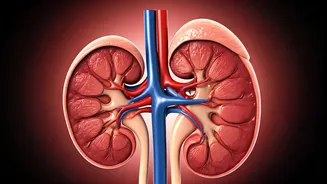









Understanding Kidney Strain
Diabetes poses a significant risk to kidney function due to prolonged elevated blood sugar levels. This persistent hyperglycemia damages the delicate blood vessels
within the kidneys, progressively impairing their ability to filter waste products from the bloodstream. Diet is a critical factor in managing this risk, offering a protective shield for these vital organs. Neglecting proper dietary practices can exacerbate existing kidney issues or even trigger new complications, making informed food choices paramount for diabetics aiming to preserve their kidney health and prevent further deterioration of their filtering capabilities.
Salt, Processed Foods, and Sugar
A primary dietary misstep for diabetics is excessive salt intake, often hidden in packaged foods, snacks, and pickled items, leading to elevated blood pressure that stresses the kidneys. Similarly, processed foods like chips, instant meals, and packaged meats, laden with sodium, unhealthy fats, and preservatives, contribute to poor blood sugar control and kidney strain. Furthermore, overconsumption of sugar and refined carbohydrates causes rapid blood sugar spikes, which can ultimately lead to kidney failure. Being vigilant about these food categories is essential to mitigate the risks associated with diabetes and protect kidney function.
The Protein Conundrum
While protein is vital for bodily functions, unusually high-protein diets, particularly those undertaken without professional guidance, present a serious risk for individuals with diabetes. Consuming excessive amounts of protein can place an undue burden on the kidneys, potentially worsening existing kidney dysfunction or even initiating new problems. A qualified medical professional can help determine an appropriate and balanced protein intake tailored to an individual's specific health status, diabetes management goals, and kidney function, ensuring that this essential nutrient supports rather than harms overall well-being.
Kidney-Protective Eating
To safeguard kidney health, diabetics should prioritize a balanced diet rich in vegetables, fruits (in moderation), whole grains, legumes, and healthy fats. Incorporating leafy greens, whole grains, and small portions of nuts daily can be beneficial. It is crucial to limit salt and completely avoid processed and packaged foods by preparing meals at home. Ensuring protein intake is balanced and aligns with expert recommendations, alongside adequate water consumption, is also key to maintaining good blood sugar levels and supporting kidney function effectively.