







Choosing Your Seeds
Embark on your muskmelon-growing adventure by selecting superior quality seeds. Opt for seeds from reputable sources or save them from a ripe, healthy
fruit for optimal results. Varieties that are locally adapted and open-pollinated often thrive best in your climate and typically yield fruits with enhanced sweetness. Before planting, it's beneficial to immerse the seeds in water for approximately eight to ten hours. This crucial step softens their outer shell, thereby promoting more vigorous and successful germination when they are sown.
Finding the Perfect Spot
Muskmelons are sun-loving plants that require a generous amount of warmth to flourish, demanding at least six to eight hours of direct sunlight each day. An ideal location could be a sun-drenched terrace, a balcony bathed in full sun, or an open expanse in your garden. If you plan to cultivate your melons in containers, ensure you use large grow bags or pots, ideally at least 12 to 15 inches deep, to provide ample room for the root system to develop freely and healthily.
Soil Preparation Essentials
The foundation of a successful muskmelon crop lies in the quality of the soil. Aim for a loose, well-draining mixture to prevent waterlogging, which these plants strongly dislike. A balanced blend comprises roughly 40 percent garden soil, 30 percent nutrient-rich compost (such as well-rotted cow dung or vermicompost), and 30 percent sand or cocopeat. Thoroughly combine these components, ensuring the soil has excellent aeration and drainage, creating an optimal environment for root growth.
Planting Your Seeds
Sow your muskmelon seeds about an inch deep into the prepared soil. If planting in containers, place two to three seeds in each pot and plan to thin out the weaker seedlings once they emerge, leaving the strongest one to grow. For ground planting, maintain a spacing of approximately two to three feet between plants, as muskmelon vines require substantial room to spread. After sowing, water gently and consistently keep the soil slightly moist, but avoid making it waterlogged.
Strategic Watering Techniques
Watering muskmelons requires a delicate balance. During the initial stages of growth, consistent moisture is vital. However, overwatering can lead to detrimental root rot. Therefore, it is best to water thoroughly but less frequently. As the fruits begin to develop and mature, you should gradually reduce the frequency and amount of water. Additionally, try to avoid wetting the leaves excessively, as this can encourage the development of fungal diseases, compromising plant health.
Supporting Vine Growth
As your muskmelon plants mature, they will begin to trail extensively. You have two primary options for managing this growth: you can either allow the vines to spread naturally across the ground, or you can provide support to train them upwards using a trellis or other suitable structures. Vertical cultivation is particularly beneficial for saving space and helps in keeping the developing fruits cleaner and less susceptible to ground-borne diseases.
Nurturing Healthy Development
To promote robust growth, nourish your muskmelon plants every 10 to 15 days with organic fertilizers. Excellent options include compost tea or diluted liquid manure. Once the plants begin to flower, pay close attention to pollination. In areas where natural pollinators like bees are scarce, you can assist by hand-pollinating. This involves gently transferring pollen from the male flowers to the female flowers using a small, soft brush.
Pest and Disease Management
Keep a watchful eye for common pests and diseases that might affect your muskmelon plants, such as aphids, fruit flies, and powdery mildew. Fortunately, most issues can be managed with simple, organic solutions. Regularly spray your plants with a neem oil solution, ideally on a weekly basis. Maintaining a clean growing environment and promptly removing any affected leaves are also crucial preventative measures. Ensuring good air circulation around the plants further helps in minimizing disease risks.
Timing Your Harvest
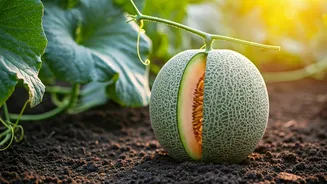
Muskmelons are typically ready for harvesting approximately 70 to 90 days after planting. Several key indicators will signal that your melons are ripe and ready to be picked. Listen for a distinct, sweet, and fruity aroma emanating from the fruit. Observe the skin; it should begin to turn a slightly yellowish hue. Crucially, the fruit should detach easily from the vine with a gentle twist. It is important not to rush the harvest, as allowing the melons to fully ripen on the vine significantly enhances their final flavour and sweetness.