
Vintage Work Tables
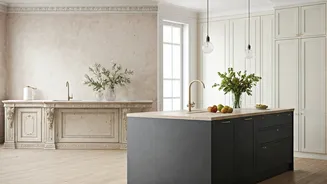
Vintage work tables are making a significant impact in modern kitchen designs. Once common in older kitchens, these tables are now prized for their rustic
charm and practicality. They offer a unique aesthetic, often featuring natural wood and signs of wear that add character. These tables act as a focal point, providing additional workspace for food preparation, serving, or casual dining. Designers and homeowners alike appreciate their versatility and the ability to seamlessly integrate them into various kitchen styles, from farmhouse to industrial. Sourcing these tables can be done from flea markets, antique shops, or online platforms specializing in vintage furniture. Restoration and refinishing are often involved, but the results are worthwhile, adding a touch of history and authenticity to any kitchen. Furthermore, their sturdy construction and enduring design make them a timeless investment, capable of withstanding the test of time and usage. The incorporation of a vintage work table offers an instant visual appeal and a functional advantage, making them a cornerstone of the vintage kitchen revival.
Bold, Unusual Cabinetry
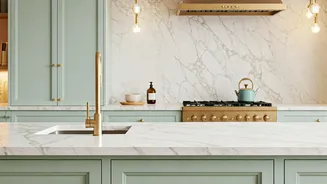
The trend towards bold and unusual cabinetry is transforming kitchen aesthetics, moving away from the often-monotonous traditional styles. This involves the incorporation of striking colors, unique textures, and unconventional designs. Think rich jewel tones, matte finishes, or cabinets with intricate carvings and artistic detailing. The goal is to move the kitchen from just a functional space into an expressive showcase. Homeowners are getting bolder with their choices, opting for dramatic blues, deep greens, or even unexpected shades like mustard yellow. Textural contrasts are also important, with designers blending smooth lacquered surfaces with raw wood or textured metal accents. This approach injects visual interest and depth into the space. The resurgence of unusual cabinetry reflects a broader trend of personalization, where individuals desire to create spaces that uniquely reflect their taste and personality. This gives homeowners the freedom to make a statement, setting the kitchen apart from the crowd and turning it into a conversation piece. The possibilities here are endless, from hand-painted cabinets to those with geometric patterns, ensuring that each kitchen is one-of-a-kind.
Statement Edges
Statement edges are another vintage element experiencing a modern resurgence in kitchen design. These elements involve detailing the edges of countertops, islands, and other surfaces with distinctive profiles. Instead of the simple, clean edges that have dominated for years, designers are now reaching for more elaborate and eye-catching options. This includes options such as ogee edges, bullnose edges, or waterfall edges. The choice of edge can significantly impact the overall style of the kitchen. A more ornate edge, for example, can add a touch of traditional elegance. The edge detail is also a great opportunity to customize, bringing a unique character to the kitchen. These details can also vary based on the countertop material, whether it be marble, granite, quartz, or wood. As well as the aesthetic appeal, statement edges also have a practical function, as they can help to prevent drips and spills. This trend is not just about aesthetics, it is about adding layers of detail and sophistication, and ensuring that every surface contributes to the kitchen's visual appeal. The reintroduction of these elements offers homeowners the ability to inject personality into their spaces, giving them a more bespoke feel.
Classic Marbling
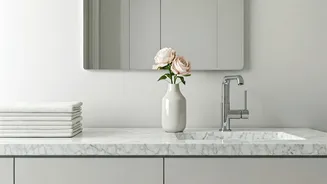
Classic marbling is making a comeback as a luxurious element in kitchen design, evoking a sense of timeless elegance. Marble countertops, backsplashes, and even flooring are again becoming popular, appreciated for their natural beauty and unique veining patterns. No two marble slabs are identical, ensuring that each installation provides a unique visual experience. The use of marble adds sophistication and a touch of luxury to the kitchen. While natural marble requires specific care, it remains a favorite choice for those seeking a premium finish. However, the resurgence of marbling extends beyond natural stone, with the advent of high-quality marble-look alternatives, such as quartz and porcelain. These options offer the aesthetic appeal of marble with increased durability, easier maintenance, and often, more cost-effectiveness. Whether it is real marble or an imitation, the comeback signifies a return to classic, enduring materials that bring a sense of richness and sophistication to a space. It allows homeowners to create a kitchen that feels both contemporary and timeless.
Cozy Color Palettes
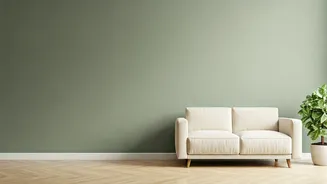
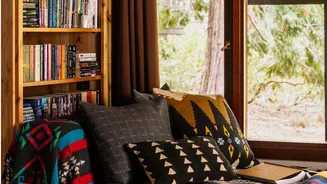
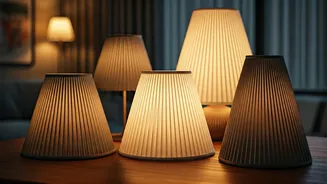
The trend toward cozy color palettes is giving kitchens a warm and inviting atmosphere, moving away from the cold, sterile look of many modern kitchens. This includes softer, more comforting colors like warm whites, creams, soft grays, and earthy tones. The emphasis is on creating a space that feels comfortable and welcoming, perfect for both cooking and gathering. These colors can be complemented by natural materials like wood and stone, which will add texture and warmth. The implementation of a cozy color palette also encourages a focus on lighting, with a mix of ambient, task, and accent lighting to further enhance the mood of the space. Designers also recommend incorporating soft textiles, like rugs and curtains, to add layers of comfort and to soften the overall look. In this trend, accessories play a vital role, such as ceramics, artwork, and decorative objects that add personality and create a lived-in feel. The result is a kitchen that is not just functional but also a place where one would want to spend time. This shift toward cozy color palettes represents a broader desire to create homes that are sanctuaries of comfort and tranquility.