
CBAM: Key Concerns
The Carbon Border Adjustment Mechanism (CBAM) is designed to impose a carbon price on imports of certain goods, aiming to level the playing field between
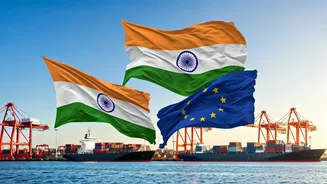
EU and non-EU producers. This mechanism is especially relevant to steel and aluminum, as their production is carbon-intensive. The FTA between India and the EU was hoped to provide a respite from CBAM-related taxes for these materials; however, this isn't entirely the case. CBAM's implementation means that Indian exporters of steel and aluminum must still prepare for potential financial impacts, which includes accurately measuring and reporting the carbon footprint of their products. This requirement poses a significant challenge, requiring investments in data collection, verification, and compliance systems, and it directly increases operational costs.
FTA & CBAM Overlap
While the India-EU FTA strives to reduce trade barriers, it does not fully eliminate the impact of CBAM on steel and aluminum. The FTA will likely create a more complex trade environment. Exporters might still face CBAM taxes, but the agreement might offer some mitigation. For example, reduced tariffs due to the FTA could slightly offset the costs imposed by CBAM. Therefore, Indian exporters must understand the detailed specifics of both the FTA and CBAM to navigate the trade landscape successfully. The interaction of the FTA with CBAM underscores the need for businesses to accurately account for carbon emissions and maintain robust compliance procedures. This scenario will require businesses to adapt and invest in systems to measure and manage their carbon footprint. Failure to do so could result in higher costs and potential market disadvantages.
Impact on Indian Exporters
The implementation of CBAM under the FTA poses multiple challenges for Indian exporters of steel and aluminum. These businesses must now account for and comply with CBAM regulations, which will demand significant investments in carbon footprint measurement, reporting, and verification. Increased costs are inevitable, and this might affect the competitiveness of Indian products in the European market. Moreover, the complexity added by CBAM will demand that businesses maintain rigorous compliance procedures. Smaller businesses may experience a disproportionately high burden due to resource constraints. Those who are proactive in addressing CBAM requirements can mitigate risks and retain their market position. Preparing and investing in sustainable practices is a significant step, as is securing certifications that prove reduced carbon emissions, thereby potentially lowering CBAM-related costs.
Looking Ahead: Strategy
Looking forward, Indian exporters need a proactive strategy to navigate the complex interplay between the India-EU FTA and CBAM. This will involve the careful analysis of their carbon footprints, and they must invest in the most up-to-date technologies and processes that reduce emissions. It is also important to consider diversifying markets beyond the EU to reduce reliance on a single trading partner. Engaging with the government and industry bodies is key, as this helps in understanding the evolving trade landscape and enables businesses to influence policy. By proactively addressing CBAM, Indian exporters can maintain competitiveness, protect their profit margins, and adapt to the changing rules of international trade. Regular updates on trade policies, along with thorough compliance and market assessments, will be key to success.