




Soak the Husks
The journey to creating perfect tamales begins with the corn husks. These husks act as the flavorful wrapping for your delicious treat. Start by soaking
the dried corn husks in warm water. This process is essential as it softens the husks, making them pliable and easy to work with. It prevents them from tearing during the crucial folding and filling stages. Allow the husks to soak for at least 30 minutes, or longer if they feel stiff. A good soak is the first step toward creating beautiful, well-formed tamales that hold their shape during steaming.
Make the Masa
The heart of a tamale lies in its masa, the dough that encases the filling. The masa is made from dried corn kernels, also known as nixtamalized corn flour. To make the masa, combine the masa harina with warm water and mix. The consistency should be similar to a thick dough. Some recipes also add lard or shortening for added richness and tenderness. The dough is then seasoned with salt, and sometimes baking powder for a fluffier texture. Properly prepared masa is critical; it should be smooth, not too dry or too wet. This will ensure that your tamales have the right texture after steaming.
Mash the Beans
Beans play a crucial role in the flavor profile of many tamales. Often, refried beans serve as a simple yet satisfying filling. To prepare the beans, you can start with canned or cook your own dried beans. If starting with dried beans, soak them overnight and cook them until tender. Once cooked, the beans are typically mashed to a smooth consistency. Season the mashed beans with salt, pepper, and potentially some cumin or other spices for extra flavor. For a more authentic taste, consider adding a bit of the bean cooking liquid to the mashed beans. This step adds moisture and enhances the overall flavor of your tamales.
Make the Filling
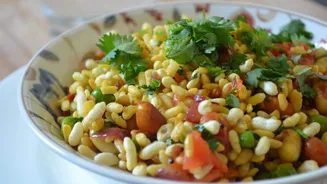
Beyond mashed beans, there's a world of filling options. Tamales are wonderfully versatile, embracing a wide range of fillings. You can use cooked and shredded chicken or pork, incorporating spices for a savory taste. For vegetarian options, consider a combination of roasted vegetables, such as corn, peppers, and onions. Another popular option includes cheese combined with spices. Ensure that whatever filling you choose is cooked to perfection and is seasoned appropriately. This step is about personalizing your tamales, so feel free to experiment with different flavor profiles to cater to your preferences. The fillings will truly make your tamales unique.
Spread the Dough
Once the masa and fillings are prepared, it is time to assemble the tamales. Take a softened corn husk and spread a layer of the masa dough onto it. The amount of dough should cover most of the husk's surface, leaving some space at the edges for folding. The thickness of the masa layer is important, as too much will result in a dense tamale, and too little will make it prone to falling apart. A thin, even layer is ideal. This is where you bring the different components together, setting the stage for the flavors to meld during the steaming process. With each step, you're building towards a delicious culinary creation.
Fill the Husks
Now it's time to add the flavorful filling onto the masa-covered husk. Place a generous spoonful of your chosen filling in the center of the masa. The amount of filling depends on your preference, but be careful not to overfill the husk, as this can make it hard to close and steam. Make sure that the filling is evenly distributed, so that each bite has some of the savory goodness. This is where the magic happens, and the flavors combine inside the corn husk. This step is a delicate balance of creating a perfectly filled tamale that will be easy to manage and steam without leakage or explosions of the contents.
Seal the Folds
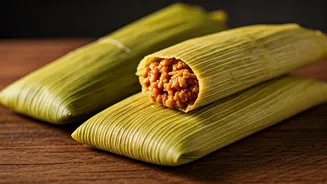
The way you fold a tamale is essential for keeping the filling secure during steaming. Fold one side of the husk over the filling, then fold the other side to enclose the filling. The bottom of the tamale, which is open, can be folded up to create a small packet. Some recipes suggest folding up the top portion of the husk to keep the tamale tightly sealed. This is a crucial step to protect the filling and ensure that the tamales steam correctly without leaking. Make sure that all the sides are closed tightly to prevent any filling from escaping during the steaming process, ensuring your tamales hold their shape.
Make the Ties
While not always necessary, tying the tamales can add an extra layer of security. Use thin strips of corn husk to tie the tamales. Wrap a strip around the middle of each tamale to keep the folds in place. This is especially helpful if your husks are delicate or if the filling is particularly liquid. The ties help maintain the shape during the steaming, preventing them from unraveling or coming apart. It's a simple, yet effective method to keep your tamales intact. Tying also helps when serving and handling the tamales, making them easier to manage when they're hot and ready to eat.
Steam the Tamales
Steaming is the secret behind perfectly cooked tamales. Place the assembled tamales upright in a steamer. Add enough water to the pot, making sure it doesn't touch the tamales. Steam them for about 1 to 1.5 hours, or until the masa easily separates from the husk. Regularly check the water level and add more as needed to prevent the pot from running dry. The length of time required will depend on the size of your tamales. The steaming process is what transforms the masa and filling into the tender, flavorful tamales that you have been working towards. The steam evenly cooks the contents to perfection.
Serving Suggestions
Tamales are a versatile food. Serve them immediately after steaming while they're warm. They can be enjoyed as a main course or as a side dish. Traditionally, tamales are often served with a variety of toppings, such as salsa, sour cream, guacamole, or a sprinkle of cheese. Leftover tamales can be stored in the refrigerator or freezer. For reheating, you can steam them again, microwave them, or even pan-fry them. This adds a crispy texture to the outer layer. There is no wrong way to serve and enjoy your freshly made tamales. Your own preferences and taste buds will guide you.