






Leftovers: Myth vs. Reality
Chef Sanjeev Kapoor addressed a prevalent myth during an interview on the ANI Podcast with Smita Prakash, specifically concerning the reuse of leftovers
in buffet settings. He clarified that the practices in professional hotel kitchens mirror those in a typical household. Contrary to popular belief, reputable establishments aim to prepare fresh food for each service and do not typically serve food from previous meals. Kapoor emphasized that hotels, like homes, repurpose ingredients and manage food preparation scientifically. They don't prepare excessive amounts of food. The underlying principle is to avoid waste, but this is achieved through precise planning and culinary expertise, not by serving stale food. Any food that might be considered 'leftover' is handled with the same care and discarded if it doesn't meet freshness standards, just as one would do at home. This approach aims to maintain the integrity and safety of the food offered to guests, assuring them of a quality dining experience.
Utensil Separation Explained
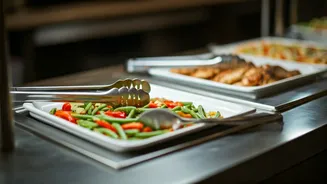
Addressing another common query, Chef Sanjeev Kapoor discussed the practice of using separate serving utensils, specifically ladles, for vegetarian and non-vegetarian dishes in buffet lines. He indicated that while this is a standard practice in many well-managed establishments, it's not universally adhered to across all venues. The decision and implementation often depend on the specific restaurant or hotel's policies and their commitment to preventing cross-contamination. For vegetarian patrons, ensuring that their food is not inadvertently mixed with meat or poultry products is crucial, often due to dietary or religious reasons. Therefore, good buffets prioritize this separation as a key aspect of hygiene and customer service. Trust in the establishment and observing their practices can offer patrons a sense of reassurance regarding this important detail.
Hygiene Standards in 5-Star Kitchens
Chef Sanjeev Kapoor also commented on the perceived hygiene standards within high-end kitchens, particularly those in 5-star establishments. He confidently asserted that these kitchens cannot afford to compromise on hygiene due to the stringent standards and regular inspections they undergo. These rigorous protocols are in place to ensure that food safety and cleanliness are paramount. Kapoor also touched upon the issue of corruption within the industry, suggesting that while some hotel owners might engage in unethical practices, the majority are committed to upholding high standards. He advocated for increased cleanliness practices among the general populace in India, implying that a culture of hygiene benefits everyone. The emphasis is on a professional environment where quality and safety are non-negotiable, driven by both internal commitment and external oversight.
Consumer Awareness & Choice
The revelations and clarifications from Chef Sanjeev Kapoor underscore the importance of consumer awareness and informed choices when dining at buffets. While professional kitchens strive for high standards, understanding their operational practices can empower diners. Kapoor's insights suggest that reputable establishments prioritize freshness and hygiene, including the separation of utensils. However, he also implicitly advises patrons to exercise discretion and patronize establishments they trust. Observing the buffet setup, the cleanliness of the serving area, and the general ambiance can provide clues about the establishment's commitment to quality. When in doubt, diners are encouraged to ask questions about food preparation and handling. Ultimately, a positive and safe buffet experience is a shared responsibility between the establishment and the discerning guest.