



Micronutrients for Skin
Your skin's ability to regenerate and maintain its integrity relies heavily on micronutrients like vitamins and minerals. Whole wheat flour, the primary
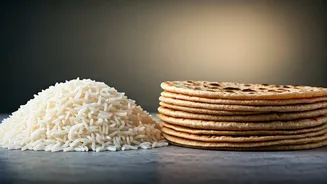
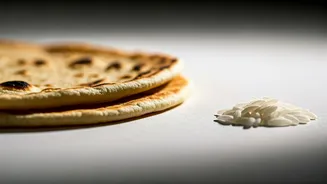
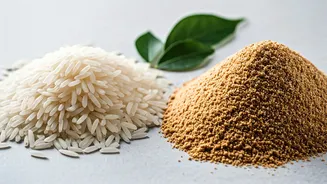
ingredient in roti, is a rich source of these vital elements, including B vitamins, zinc, magnesium, and iron. These nutrients play a crucial role in supporting cell turnover and facilitating the skin's natural repair processes. In contrast, the extensive processing of white rice significantly depletes these beneficial compounds, leaving it with a much lower micronutrient profile. Therefore, opting for roti can provide your skin with the essential building blocks it needs to stay healthy and resilient, while white rice offers far less support for these critical functions.
Gut Health and Skin
A direct link exists between the state of your digestive system and the appearance of your skin, often referred to as the gut-skin axis. When your gut is functioning optimally, it efficiently eliminates waste and toxins. However, if you experience digestive issues such as constipation, these unwanted substances can be reabsorbed into your body, manifesting on your face as dullness or unexpected blemishes. Whole wheat roti, due to its high dietary fiber content, promotes a healthy digestive tract, ensuring regular bowel movements and nourishing the beneficial bacteria within your gut microbiome. This improved gut health directly translates to clearer skin. Conversely, white rice, having undergone a milling process that removes its fibrous bran and germ, offers minimal to no digestive advantages, potentially exacerbating gut-related skin concerns.
Blood Sugar and Hormones
The Glycemic Index (GI), a measure of how quickly a food elevates blood sugar levels, is a critical factor in managing acne. White rice possesses a high GI, typically around 73 or higher, meaning it causes a rapid spike in blood glucose after consumption. This surge triggers a significant release of insulin and Insulin-like Growth Factor 1 (IGF-1). Elevated IGF-1 levels can overstimulate androgen hormones, leading to increased sebum production by the sebaceous glands. This excess oil can clog pores and initiate breakouts. Whole wheat roti, with its lower GI of approximately 62, releases glucose into the bloodstream more gradually. This slower absorption avoids drastic hormonal fluctuations and excessive oiliness, contributing to calmer, clearer skin.
Exceptions and Alternatives
While whole wheat roti generally emerges as the superior choice for skin health, there are nuances to consider. Brown rice, which retains its bran and germ, presents a comparable alternative to roti. It boasts a lower glycemic index and a fiber content that supports gut health and skin anti-inflammation, making it a worthy substitute for white rice. However, the presence of gluten in roti can be problematic for individuals with celiac disease, wheat allergies, or gluten sensitivities. In such cases, gluten-induced systemic inflammation can trigger various skin conditions, including cystic acne and eczema. For these individuals, naturally gluten-free rice is the safer and more beneficial option, avoiding inflammatory responses that can negatively impact their skin.
Making the Right Choice
For those prioritizing clear, less oily skin, incorporating whole wheat or multigrain roti into your daily diet is highly recommended. This choice helps maintain hormonal balance and stable blood sugar levels, crucial for acne prevention. If you have a strong preference for rice, switching from white rice to brown rice can offer similar skin-enhancing benefits due to its improved nutritional profile. To further enhance your skin's health, ensure your meals are accompanied by a generous serving of fiber-rich vegetables. This holistic approach to your diet, focusing on well-chosen carbohydrates and ample fiber, will significantly contribute to a healthier and clearer complexion.