




Global Political Ascent
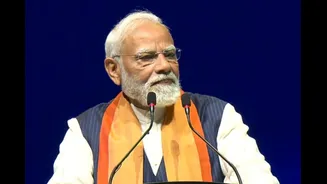
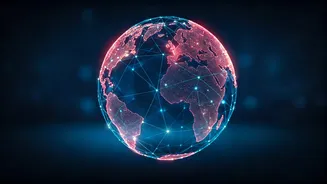
The confirmation that India has achieved a top position in global politics signifies a remarkable evolution of its international standing. This elevation
underscores not only the country’s growing economic and strategic influence but also its ability to shape global conversations. Such acknowledgement often stems from consistent diplomatic engagements, strong partnerships, and demonstrated capabilities in addressing international challenges. This shift can be attributed to India’s steady economic progress, its significant role in global trade, and its growing importance in international forums and collaborations. India's ability to act as a bridge between different geopolitical interests also plays a key part in this transformation, enhancing its profile and influence on the world stage.
Strengthened International Ties
The increasing strength of India's political ties is a cornerstone of its current global standing. Enhanced diplomatic relationships, collaborations, and partnerships with other nations and international organizations are integral. Increased cooperation in areas such as trade, security, and cultural exchange exemplifies the intensification of these ties. The proactive approach of the Indian government in fostering international relations, its participation in critical global initiatives, and its readiness to negotiate on equal terms have all contributed. The strength of these relationships is evident in joint projects, mutual support in international forums, and a shared commitment to addressing global issues, reflecting the evolving nature of India’s engagement with the world.
Impact of the Shift
India's rise in global political influence has significant consequences, particularly in shaping international policy and strategic alignments. This includes its increased ability to influence the direction of trade agreements, climate change policies, and strategies for global security. It also translates into India having a stronger voice in international forums, enabling it to advocate for its interests and those of developing nations. Additionally, the stronger relationships open doors for strategic alliances and partnerships, influencing regional and global stability. The recognition of India’s significance on the global stage helps attract investments and collaborations, thus strengthening its economy and driving progress across various sectors. The shift represents a major transformation in India's role and is poised to reshape international dynamics.
Future Implications
Looking forward, India's enhanced position in global politics presents both opportunities and challenges. The country is well-placed to play an even more important role in addressing global challenges like climate change, poverty, and disease. However, with greater influence comes greater responsibility, requiring India to navigate complex international relations with care and wisdom. It means fostering robust international collaboration and managing relationships with diverse nations, and ensuring its policies align with its long-term interests and its values. Continuing to advance its domestic policies and strengthening its economy will be crucial for maintaining its prominence and influence, ensuring India’s continued growth and impact on the global landscape.