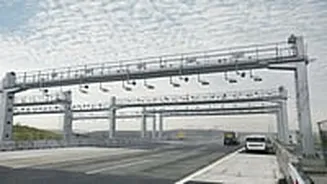








Expressway Toll Overview
The Ganga Expressway has been meticulously planned to provide quicker and more efficient travel. Understanding the toll structure is important for anyone
planning to use it. Information includes specifics on toll plazas locations along the expressway. Toll rates differ based on the type of vehicle. For example, cars would pay one rate, while larger vehicles like buses and trucks would be charged differently. It's crucial for users to stay informed regarding these charges. This ensures that they are prepared for the costs associated with their journeys. Knowing the toll rates helps travelers in budgeting and managing their travel expenses effectively. The toll plazas are strategically placed to ensure smooth traffic flow, and detailed information about their locations can be found through official sources, providing convenience for expressway users. Keeping track of toll updates is also suggested as these rates are subject to change over time.
Toll Plaza Locations
Strategically placed toll plazas are integral to the Ganga Expressway's functionality. It's crucial for travelers to know their locations for seamless navigation. These toll plazas are not randomly placed; rather, they are positioned at specific points along the 594-kilometer stretch. This positioning guarantees smooth traffic flow and effective toll collection. Detailed information on the exact locations of these plazas is accessible. This allows travelers to easily plan their routes and anticipate where they will encounter these toll collection points. Each plaza is equipped to handle various types of vehicles, from cars to heavy-duty trucks, ensuring efficient management of traffic. The design of these plazas focuses on minimizing congestion and providing a hassle-free experience for all users. The locations are chosen with an understanding of travel patterns. Travelers should regularly check official announcements for any updates or changes in toll plaza locations. These updates help in travel planning.
Exemptions from Toll
Specific guidelines exist on who is exempt from paying toll taxes on the Ganga Expressway. Certain categories of vehicles and individuals are granted exemptions under specific rules and regulations. Government vehicles or those used for official duties often qualify for exemptions, which supports government operations. Emergency service vehicles, such as ambulances and fire trucks, also typically receive toll exemptions, ensuring rapid response in critical situations. Individuals in certain professions, or those holding specific positions, might also be exempted. This is done to honor their service or contribution to society. Keeping abreast of the latest guidelines from the National Highways Authority of India (NHAI) is essential. These guidelines provide detailed information on eligibility for exemptions. Official sources, such as NHAI, are the primary sources for accurate and updated information on toll exemptions. Travelers should always verify their eligibility and carry the necessary documentation to avoid any issues at the toll plazas.
Benefits of Expressway
The Ganga Expressway offers many advantages to its users. The primary benefit is a significant reduction in travel time, ensuring that passengers reach their destinations quicker and more efficiently. This high-speed travel not only saves time, but also minimizes fuel consumption because of the smooth and continuous movement. The expressway is designed with safety as a top priority. Features like controlled access, wider lanes, and proper signage help in minimizing accident risk. Economic benefits are notable as the expressway boosts regional development by improving connectivity. It enhances access to markets, and facilitates easier transportation of goods and services. The expressway also promotes tourism by linking different regions. Travelers can explore more places without extended travel times. The expressway improves the quality of life for people. People experience more convenient and stress-free travel.
Vehicle Toll Rates
Vehicle toll rates on the Ganga Expressway are designed to reflect the type of vehicle. Cars generally have a standard rate, providing a cost-effective option for personal transport. Larger vehicles, such as buses and trucks, are subject to a higher toll rate, accounting for the additional wear and tear on the road infrastructure. These charges help cover the cost of maintenance and improvement of the expressway. Staying informed regarding current toll rates is essential. Toll rates are subject to change. Travelers can get detailed information about the applicable rates by checking the official sources. This includes the National Highways Authority of India (NHAI) or through official notifications. Toll rates are usually displayed at toll plazas, providing easy reference before toll payments. Planning ahead and knowing the anticipated toll charges helps travelers to budget their trips and avoid any surprises. The toll structure aims to create a system that is fair and sustainable.