





Gorge's Natural Masterpiece
The Historic Columbia River Highway Scenic Byway, stretching from Troutdale to The Dalles in Oregon, is a testament to early 20th-century visionaries aiming
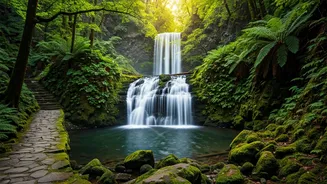
to connect communities while celebrating the raw splendor of the Columbia River Gorge. This approximately 70-mile route, winding at the foot of Mount Hood, an active stratovolcano, is celebrated for its dramatic, moss-covered cliffs and numerous cascading waterfalls. More than just a roadway, it represents an ambitious chapter in American engineering history. Its construction in the 1910s marked it as one of the nation's first highways intentionally designed for scenic touring. The byway provides unparalleled access to some of the Pacific Northwest's most renowned waterfalls, including the famous Multnomah Falls, alongside Latourell and Horsetail Falls. Complementing these natural wonders, the mighty Columbia River flows majestically on the opposite side of the highway. This highway, often dubbed the 'King of Roads' or 'Waterfall Alley,' was meticulously planned to 'lay lightly on the land,' enhancing rather than detracting from the surrounding natural beauty. Thoughtfully placed pull-offs and rest areas invite visitors to pause and absorb the scenic vistas or explore the many points of interest along the route, making it feel seamlessly integrated with its environment.
Iconic Viewpoints & Falls
As you journey eastward from Portland, the Portland Women’s Forum viewpoint is an essential first stop, offering a sweeping, unobstructed vista of the river valley, with the distinctive Vista House visible in the distance. Named to honor preservation efforts, it provides an iconic glimpse of what awaits. Further along, Vista House at Crown Point, completed in 1918, stands 733 feet above the Columbia River. This octagonal stone structure, a memorial to Oregon pioneers, invites visitors to step inside its marble interior or walk its perimeter balcony for panoramic views. Latourell Falls, a personal favorite of many, plunges 224 feet over a basalt cliff and is known for its accessibility and unique wooden bridges crossing Henderson Creek. Nearby Bridal Veil Falls offers a more secluded experience accessible via a short hike. Multnomah Falls, the most visited natural recreation site in the Pacific Northwest, is a world-renowned spectacle, boasting a dramatic 620-foot two-tiered cascade. The ethereal mist rising from its lower pool towards the Benson Bridge creates an unforgettable sensory experience. Horsetail Falls, another easily accessible cascade, spills 176 feet down a sheer rock face and is celebrated for its 'immediate gratification,' especially during the rainy season when its spray can reach the highway. For those seeking more, a hike to Upper Horsetail Falls reveals a cave hidden behind the water curtain. A more recent addition, the Mitchell Point Tunnel, is a pedestrian and cycling tunnel carved through a mountain, featuring windows that offer glimpses of the Columbia River. Finally, the Rowena Crest Viewpoint, near Mosier, provides a striking contrast with its windswept golden grasslands, offering expansive horizon views and being particularly stunning with wildflowers in the spring, making it an ideal spot for sunset.
Planning Your Byway Adventure
The Historic Columbia River Highway Scenic Byway traces a 70-mile path from Troutdale to The Dalles, situated along the Oregon-Washington border and paralleling the faster-moving Interstate 84. This scenic route begins approximately 20 minutes east of downtown Portland, and typically requires three to five hours to traverse, though more time should be allocated for hiking and extended stops. It's important to note that the drivable sections of the byway are segmented. The primary drivable portions run from Troutdale east to Dodson, and from Mosier east to The Dalles. These are connected by the Historic Highway State Trail, which is accessible only to non-motorized vehicles. Most of the highlighted attractions, excluding the Mitchell Point Tunnel, are found within these main drivable segments. Before embarking on your journey, it is crucial to check the current road conditions for Highway 100. Careful planning is recommended, especially concerning parking, as many popular sites have limited capacity. Considering alternative transportation, such as the Columbia Gorge Express bus service, can alleviate parking concerns and reduce environmental impact, offering a stress-free way to experience the highway.
Best Times to Visit
The Historic Columbia River Highway Scenic Byway is accessible year-round, offering distinct beauty in every season. However, spring (April to June) and autumn (September to October) are particularly spectacular. Spring heralds vibrant wildflower blooms and fruit blossoms along the orchard-lined sections, alongside powerfully flowing waterfalls. Autumn immerses visitors in a landscape ablaze with colorful foliage, complemented by pleasant temperatures. For those aiming to avoid crowds, visiting on a weekday or during early morning hours is advised. Late autumn and winter (November to February) provide a tranquil and less crowded experience, with the gorge retaining its picturesque charm. Weekend visits, particularly between Memorial Day and Labor Day, tend to be the busiest. Due to limited parking at numerous viewpoints, having a backup plan is always prudent. Visitors are strongly encouraged to park only in designated areas, adhere to all parking regulations, and respect private property. If a chosen destination's parking is full, numerous other attractions along the route offer equally rewarding experiences.