
Collagen: The Basics
Collagen is a crucial protein that forms the building blocks of various body tissues, including skin, bones, tendons, and ligaments. It's responsible for skin elasticity,
joint support, and overall structural integrity. As we age, our natural collagen production declines, leading to wrinkles, joint pain, and other signs of aging. Maintaining adequate collagen levels is therefore essential for maintaining youthful skin and optimal health. It acts like a glue holding everything together, making skin firm, joints flexible, and bones strong. Various factors, such as diet, lifestyle, and genetics, affect collagen production. Consuming a diet rich in collagen-boosting nutrients and adopting healthy habits is vital. The human body produces collagen naturally, but its production diminishes as people age. Thus, supplementing collagen production is a good idea to maintain overall health.
The Nutritionist's Advice
The nutritionist's recommendation centers around a specific dietary approach designed to stimulate collagen synthesis in the body. The advice is centered on integrating certain foods and nutrients known to be beneficial for collagen production. A diet rich in foods that promote collagen production provides the building blocks for creating collagen. This mainly includes foods rich in amino acids (the components of proteins), vitamin C (an essential cofactor in collagen synthesis), and antioxidants (to protect collagen from damage). The core suggestion involves adopting a diet centered on these elements. Focusing on the right foods can support the body's natural collagen-producing processes. Consuming these elements can boost the body's collagen synthesis.
Key Dietary Components
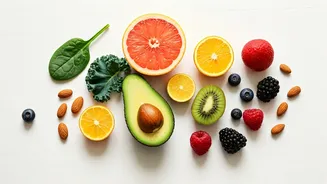
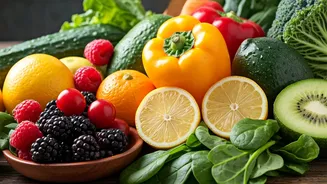
Several food groups and nutrients are highlighted as critical components of the collagen-boosting diet. Vitamin C is a powerful antioxidant and is essential for the body's natural production of collagen. Foods rich in vitamin C, such as citrus fruits (oranges, lemons, grapefruits), berries (strawberries, blueberries, raspberries), and bell peppers, are recommended. Consuming protein-rich foods provides the amino acids necessary to build collagen. Chicken, fish, eggs, and lean meats, as well as plant-based sources like beans and tofu, are all beneficial. Foods like bone broth and foods containing proline and glycine, the amino acids crucial to collagen formation, are also key. These components work synergistically to support collagen synthesis. These dietary choices are fundamental for optimizing collagen production and promoting healthy skin.
Implementation and Benefits
Implementing the nutritionist's advice involves integrating the recommended foods into a daily or weekly meal plan. Planning for the long term helps to ensure consistent intake. The benefits extend beyond skin health, as collagen supports joint health, strengthens bones, and improves overall body function. The routine can be adapted to personal preferences and dietary needs. The advice is practical and easy to implement, making it accessible to those looking for a natural way to improve their health. The key is consistency. By sticking to this dietary approach, individuals can potentially see improvements in skin elasticity, reduced wrinkles, stronger joints, and enhanced overall well-being. It is a holistic approach to wellness.
Additional Tips & Context
Besides dietary adjustments, the nutritionist may offer additional advice to complement the core strategy. It could include tips for maintaining adequate hydration, as water is essential for optimal skin health and bodily functions. Stress management techniques are equally important, as high-stress levels can negatively impact collagen production. Incorporating these practices can further enhance the benefits of the dietary changes. Prioritizing rest and getting sufficient sleep can help the body repair and regenerate tissues, including collagen. This holistic approach takes into account all factors affecting collagen synthesis. While dietary changes are pivotal, combining them with other healthy habits can boost the process, leading to the best results. A healthy lifestyle complements the nutritional advice.